
Contents
Overview
Coral reefs, often called the 'rainforests of the sea,' are incredibly diverse underwater ecosystems built by stony corals. These living structures, found in warm, shallow waters globally, support an estimated 25% of all marine life, providing critical habitat, food, and breeding grounds. Beyond their ecological importance, reefs offer significant economic benefits through tourism, fisheries, and coastal protection, buffering shorelines from storms. However, these vibrant cities are under siege from climate change-induced warming and acidification, pollution, and destructive fishing practices, leading to widespread bleaching and degradation. Understanding their biology, the threats they face, and conservation efforts is paramount to their survival.
🐠 What Are Coral Reefs?
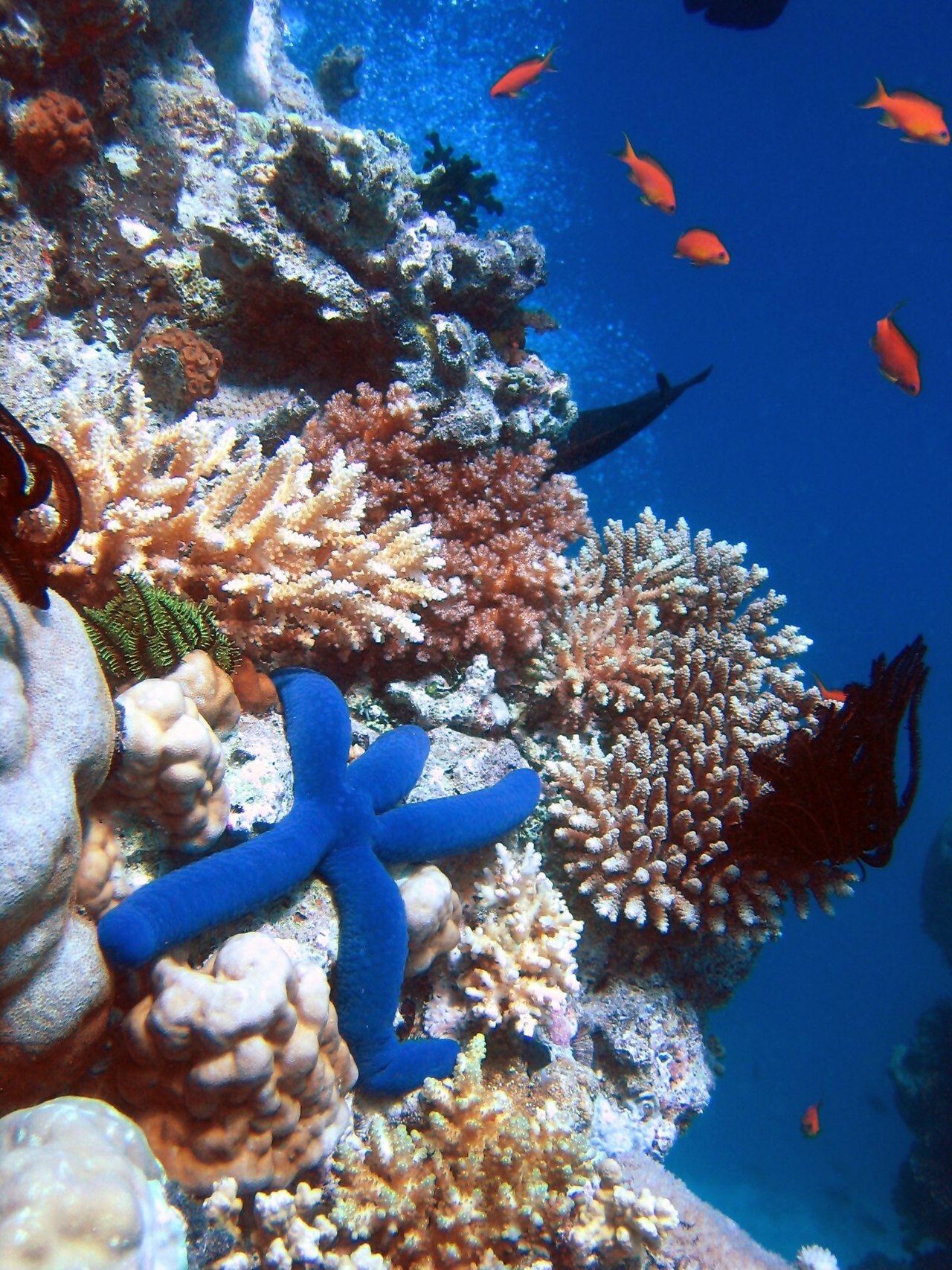
Coral reefs are the vibrant, bustling metropolises of the underwater world, teeming with a biodiversity that rivals rainforests. These complex ecosystems are built by tiny animals called coral polyps, which secrete calcium carbonate to form hard skeletons. Over millennia, these skeletons accumulate, creating the intricate structures we recognize as reefs. They are not just pretty underwater gardens; they are critical habitats supporting an estimated 25% of all marine life, despite covering less than 1% of the ocean floor. Understanding the fundamental principles of coral reef ecology is key to appreciating their immense value.
📍 Where to Find Them
Globally, coral reefs are primarily found in warm, shallow, clear, sunny, and agitated waters. The 'Coral Triangle' in Southeast Asia, encompassing Indonesia, the Philippines, and Malaysia, boasts the highest diversity of coral species. Other significant reef systems include the Great Barrier Reef off the coast of Australia, the Mesoamerican Barrier Reef in the Caribbean, and reefs in the Red Sea and the Indian Ocean. Access to these locations often requires visiting designated marine protected areas or joining responsible ecotourism operations to minimize impact.
🌊 The Ecosystem Engineers
These underwater cities are built by hermatypic corals, also known as hard corals, which are the primary architects of reef structures. These corals live in symbiotic relationships with microscopic algae called zooxanthellae, which reside within their tissues. The algae provide the coral with up to 90% of its energy through photosynthesis, while the coral offers the algae a protected environment and compounds needed for photosynthesis. This partnership is the engine driving the growth and vitality of the entire reef ecosystem, making the health of zooxanthellae a critical indicator of reef health.
💡 How They're Built
The construction of a coral reef is a slow, geological process. Individual coral polyps, typically only a few millimeters in diameter, form colonies that can grow to be several meters wide. As these polyps grow and reproduce, they secrete a hard, cup-shaped skeleton of calcium carbonate. Over generations, these skeletons fuse together, forming the massive, three-dimensional structures that provide shelter, food, and breeding grounds for countless marine species. This process is akin to natural bioconstruction, where living organisms engineer their own habitat.
⚠️ Threats & Challenges
Coral reefs face unprecedented threats, primarily driven by human activities. anthropogenic climate change is the most significant danger, leading to rising ocean temperatures that cause coral bleaching – a phenomenon where corals expel their symbiotic algae and turn white, often leading to death. Ocean acidification, another consequence of increased atmospheric CO2, hinders the ability of corals to build their calcium carbonate skeletons. Other threats include destructive fishing practices, pollution from agricultural runoff and plastic waste, and physical damage from anchors and careless tourism.
📈 Conservation Efforts
A global surge in coral reef conservation efforts is underway, driven by the recognition of their ecological and economic importance. Organizations like the Coral Reef Alliance and the WWF are working on multiple fronts, from establishing and enforcing marine protected areas to developing innovative coral restoration techniques like coral gardening and microfragmentation. Policy changes aimed at reducing greenhouse gas emissions and improving water quality are also crucial components of these strategies.
🤿 Experiencing Reefs
Experiencing a coral reef firsthand is an unforgettable encounter with nature's artistry. The most popular ways to visit are through snorkeling and scuba diving. Many destinations offer guided tours led by experienced professionals who can point out hidden marine life and educate visitors on reef etiquette. It's imperative to practice responsible tourism by not touching corals, avoiding the use of sunscreens that harm marine life, and never removing anything from the reef.
📚 Further Exploration
For those captivated by the intricate world of coral reefs, further exploration awaits. The International Coral Reef Initiative (ICRI) provides a wealth of information on global reef status and conservation initiatives. Documentaries such as 'Chasing Coral' offer a powerful visual narrative of the challenges facing reefs. Academic journals and research papers from institutions like the Scripps Institution of Oceanography delve into the complex science behind reef ecology and resilience.
Key Facts
- Year
- Prehistoric (origins debated, significant diversification ~250 million years ago)
- Origin
- Geological & Biological Evolution
- Category
- Ecology & Environment
- Type
- Ecosystem
Frequently Asked Questions
What is coral bleaching and why is it a problem?
Coral bleaching occurs when corals are stressed, typically by unusually warm water temperatures, and expel the symbiotic algae (zooxanthellae) living in their tissues. This causes them to turn white. While bleached corals are not dead, they are weakened and more susceptible to disease and starvation. If the stress is prolonged, the corals will die, leading to the degradation of the entire reef ecosystem.
Are all corals reef-building corals?
No, not all corals build reefs. Reef-building corals, known as hermatypic corals, are the stony corals that secrete calcium carbonate skeletons. There are also soft corals, such as sea fans and sea whips, which do not build reefs but are vital components of the reef ecosystem, providing habitat and food for many species.
How much of the ocean floor do coral reefs cover?
Despite their immense biodiversity, coral reefs cover less than 1% of the Earth's ocean floor. However, their ecological significance is disproportionately large, as they support approximately 25% of all known marine species, making them one of the most productive and diverse ecosystems on the planet.
Can coral reefs recover from damage?
The recovery potential of coral reefs depends heavily on the type and severity of the damage, as well as the surrounding environmental conditions. Minor damage from storms can sometimes be recovered from over time, but widespread bleaching events and chronic pollution significantly hinder recovery. Active restoration efforts are showing promise in some localized areas, but large-scale recovery requires addressing the root causes of stress, particularly climate change.
What is the economic value of coral reefs?
Coral reefs provide significant economic benefits, estimated to be worth billions of dollars annually. These benefits include supporting fisheries, protecting coastlines from storm surges and erosion, and driving tourism and recreation industries. The loss of coral reefs has direct economic consequences for coastal communities worldwide.