
Contents
Overview
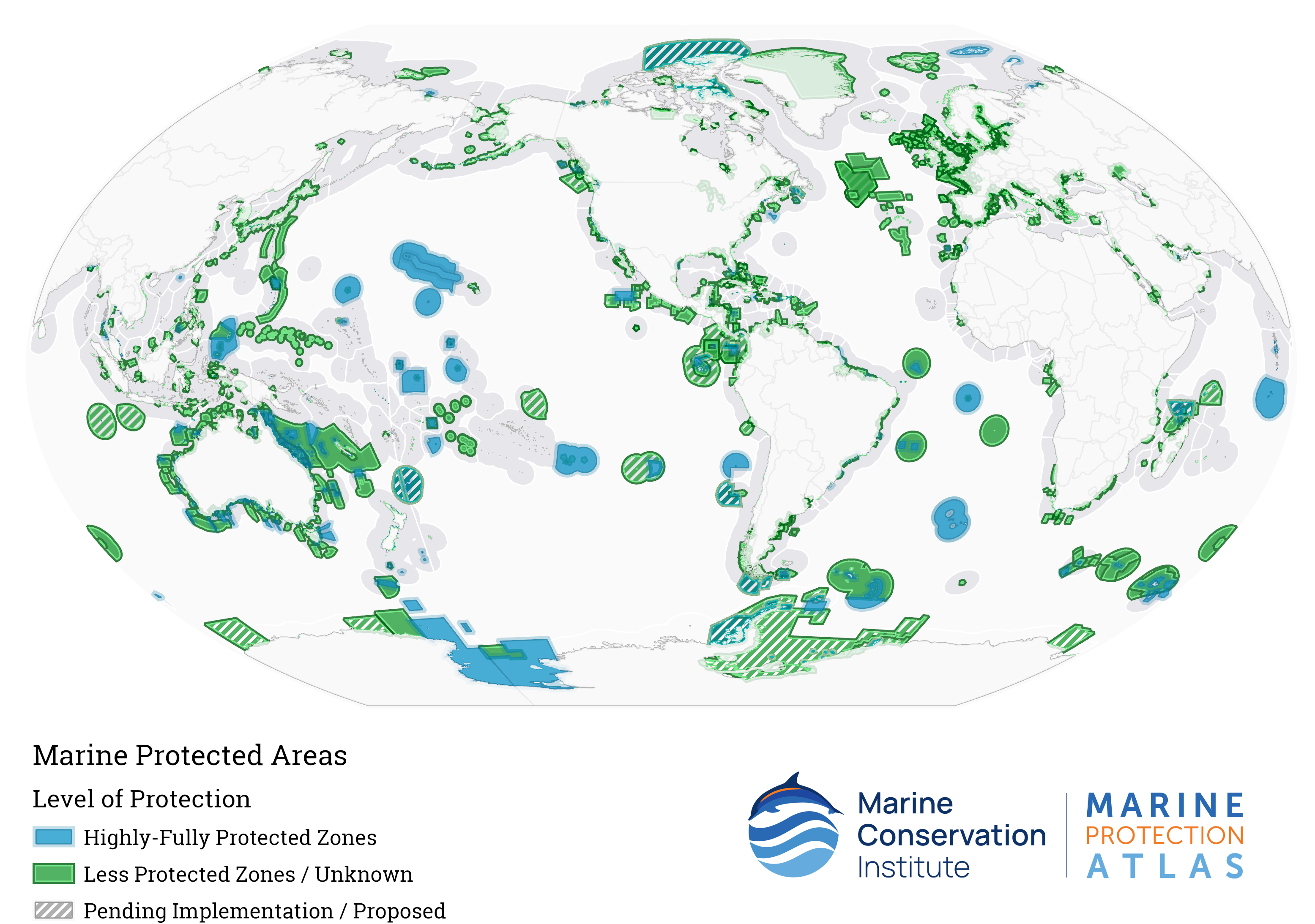
The concept of marine protected areas dates back to the 19th century, with the establishment of the Yellowstone National Park in 1872, which included a small portion of marine habitat. However, it wasn't until the 1960s and 1970s that the modern MPA movement gained momentum, with the creation of organizations such as the iucn and the wwf. Today, MPAs can be found in every region of the world, from the Great Barrier Reef in Australia to the Papahānaumokuākea Marine National Monument in Hawaii.
⚙️ How It Works
MPAs can take many forms, ranging from wildlife refuges to research facilities. They can be established to protect specific species, such as sea turtles or coral reefs, or to preserve entire ecosystems, like kelp forests or seagrass beds. The level of protection and management can vary greatly, from strict no-take zones to more flexible multiple-use areas. Organizations like the noaa and the unep play a crucial role in supporting the establishment and management of MPAs.
🌍 Cultural Impact
The cultural impact of MPAs cannot be overstated. These areas not only provide a safe haven for marine life but also support the livelihoods of people who depend on the ocean for their income, such as fishermen and tour operators. MPAs can also promote ecotourism, which can generate significant revenue for local communities. For example, the Galapagos Islands are a popular tourist destination, with visitors drawn to the unique and diverse marine life found in the surrounding MPAs. However, the establishment of MPAs can also lead to conflicts with local communities, as seen in the case of the Chagos Marine Protected Area, where the displacement of indigenous people has been a major concern.
🔮 Legacy & Future
As the world's oceans continue to face numerous threats, including climate change, overfishing, and pollution, the importance of MPAs will only continue to grow. In the future, we can expect to see more innovative approaches to MPA management, such as the use of marine protected area networks and community-based conservation initiatives. Organizations like the ocean conservancy and the marine conservation institute are already working to promote the establishment and effective management of MPAs, and their efforts will be crucial in protecting the world's oceans for generations to come.
Key Facts
- Year
- 1960s-1970s
- Origin
- Global
- Category
- nature
- Type
- concept
Frequently Asked Questions
What is the purpose of a marine protected area?
The primary purpose of a marine protected area is to conserve and protect marine ecosystems, species, and habitats from human activities that can harm them, such as overfishing, pollution, and coastal development. MPAs can also provide economic benefits, support the fishing industry, and promote ecotourism. For example, the Papahānaumokuākea Marine National Monument in Hawaii is one of the largest MPAs in the world and provides a safe haven for a diverse array of marine life, including sea turtles and coral reefs.
How are MPAs established and managed?
MPAs can be established and managed by local, state, territorial, native, regional, national, or international authorities. The process typically involves a combination of scientific research, stakeholder engagement, and policy development. For example, the noaa works with local communities, fishermen, and other stakeholders to establish and manage MPAs in the United States. The unep also provides guidance and support for the establishment and management of MPAs globally.
What are some examples of successful MPAs?
There are many examples of successful MPAs around the world, including the Great Barrier Reef in Australia, the Galapagos Islands in Ecuador, and the Papahānaumokuākea Marine National Monument in Hawaii. These MPAs have been successful in protecting marine biodiversity, promoting ecotourism, and supporting the livelihoods of local communities. For example, the Galapagos Islands are a popular tourist destination, with visitors drawn to the unique and diverse marine life found in the surrounding MPAs.
What are some of the challenges facing MPAs?
MPAs face a range of challenges, including overfishing, pollution, climate change, and human population growth. Additionally, the establishment and management of MPAs can be complex and require significant resources and stakeholder engagement. For example, the Chagos Marine Protected Area has been the subject of controversy due to the displacement of indigenous people and the lack of effective management. The ocean conservancy and the marine conservation institute are working to address these challenges and promote the effective management of MPAs.
How can I get involved in MPA conservation?
There are many ways to get involved in MPA conservation, including volunteering with organizations such as the ocean conservancy or the marine conservation institute, supporting MPA-related research and policy development, and promoting awareness about the importance of MPAs. You can also support eco-tourism initiatives that promote responsible and sustainable tourism practices in MPAs. For example, the wwf offers opportunities for volunteers to get involved in MPA conservation efforts around the world.