Cicero
The silver-tongued orator who tried to save the Roman Republic from itself. 🏛️
Featured partners and sponsors
New advertisers get $25 in ad credits
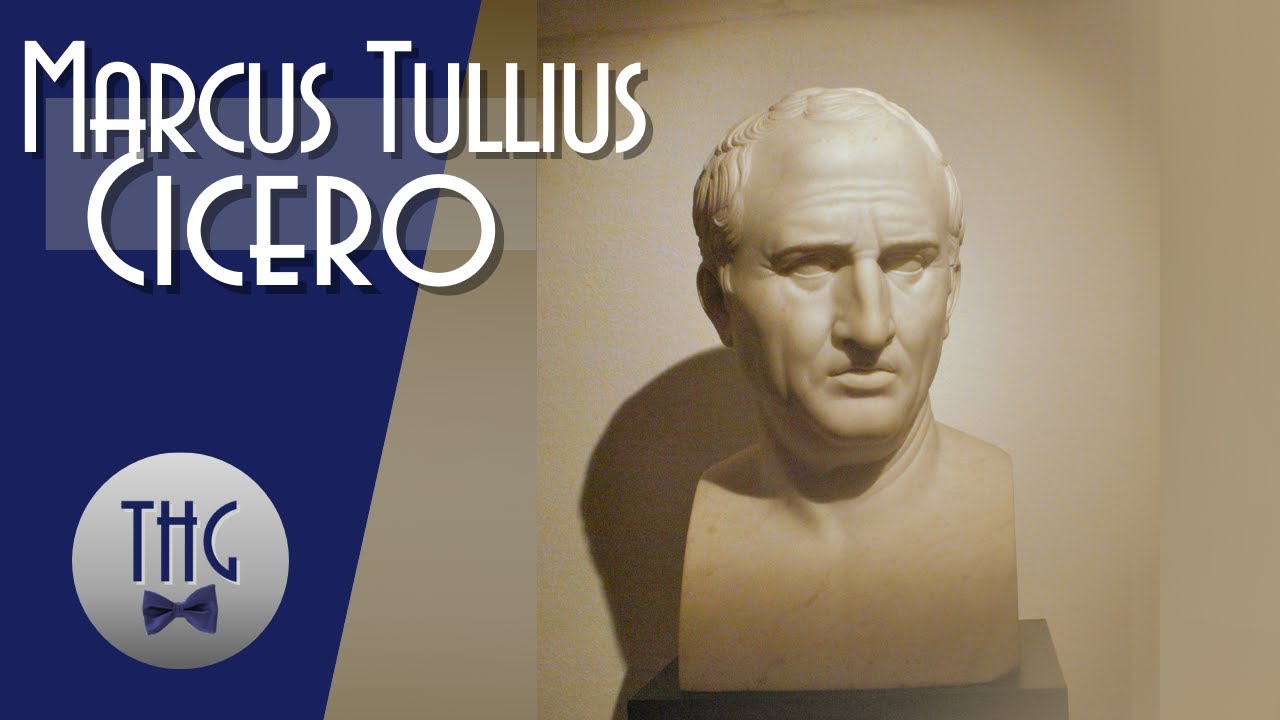
The Life and Death of Cicero
⚡ THE VIBE
✨Marcus Tullius Cicero was an unparalleled Roman statesman, orator, lawyer, and philosopher whose words still echo through history, battling for the soul of the Republic against the rising tide of empire. His eloquence and intellectual prowess made him a towering figure, even as his political fortunes waxed and waned. 📜
§1Who Was This Guy, Anyway? 🎤
Imagine a figure who combined the legal prowess of a top barrister, the political savvy of a seasoned senator, and the philosophical depth of a university professor – all while living in one of history's most dramatic eras. That's Cicero in a nutshell! Born into an equestrian family (a step below the patrician elite, but still well-off) in the town of Arpinum, he wasn't born with a silver spoon and a toga. He earned his place through sheer intellect, relentless study, and a silver tongue that could sway crowds and confound opponents. His career saw him rise through the ranks, becoming consul, Rome's highest elected office, in 63 BCE. His story isn't just about what he did, but how he did it – with words as his primary weapon and shield. 🛡️
§2The Golden Tongue: Oratory & Philosophy 🗣️📜
Cicero didn't just speak; he performed. His orations, like the famous Catilinarian Orations against the conspirator Catiline, were masterpieces of rhetoric, filled with passion, logic, and biting wit. He believed that eloquence wasn't just about pretty words, but about persuasive truth, essential for a functioning republic. But he wasn't just a talker; he was a deep thinker. His philosophical works, such as De Officiis (On Duties) and Tusculan Disputations, introduced Greek philosophy to the Roman world in Latin, making complex ideas accessible and shaping the intellectual landscape for centuries. He grappled with concepts like justice, virtue, and the ideal state, laying groundwork for future thinkers like Augustine of Hippo and the Enlightenment philosophers. Talk about a legacy! ✨
§3A Life in the Republic's Twilight 🌅
Cicero's career unfolded during the agonizing death throes of the Roman Republic. He was a staunch defender of traditional republican values and institutions, often finding himself caught between powerful, ambitious men like Julius Caesar, Pompey the Great, and later, Mark Antony. His political life was a rollercoaster of triumphs (like thwarting Catiline's coup) and exiles, always driven by his unwavering belief in the Republic, even as it crumbled around him. He saw the rise of individuals threatening the collective good, and he fought them with every fiber of his being, often at great personal risk. His letters, a treasure trove of historical insight, reveal the anxieties, gossip, and high-stakes drama of Roman politics, giving us an unparalleled window into that tumultuous era. ✉️
§4Why He Still Matters in 2026 🌍
Cicero's impact is staggering. His Latin prose became the gold standard, influencing Latin literature for over a millennium and shaping the development of European languages. Renaissance humanists practically worshipped him, seeing him as the epitome of classical learning and civic virtue. His ideas on natural law, civic duty, and the importance of rhetoric are still studied in legal, political, and philosophical circles today. When we talk about the power of words, the balance of power in government, or the ethics of leadership, we're often echoing themes Cicero explored over two millennia ago. He's not just a historical figure; he's a foundational pillar of Western intellectual tradition. His life is a powerful reminder that ideas, eloquently expressed, can indeed change the world – or at least try to save a republic! 🌟