Tusculan Disputations
Cicero's philosophical quest for inner peace amidst life's storms. ⛈️
Featured partners and sponsors
New advertisers get $25 in ad credits
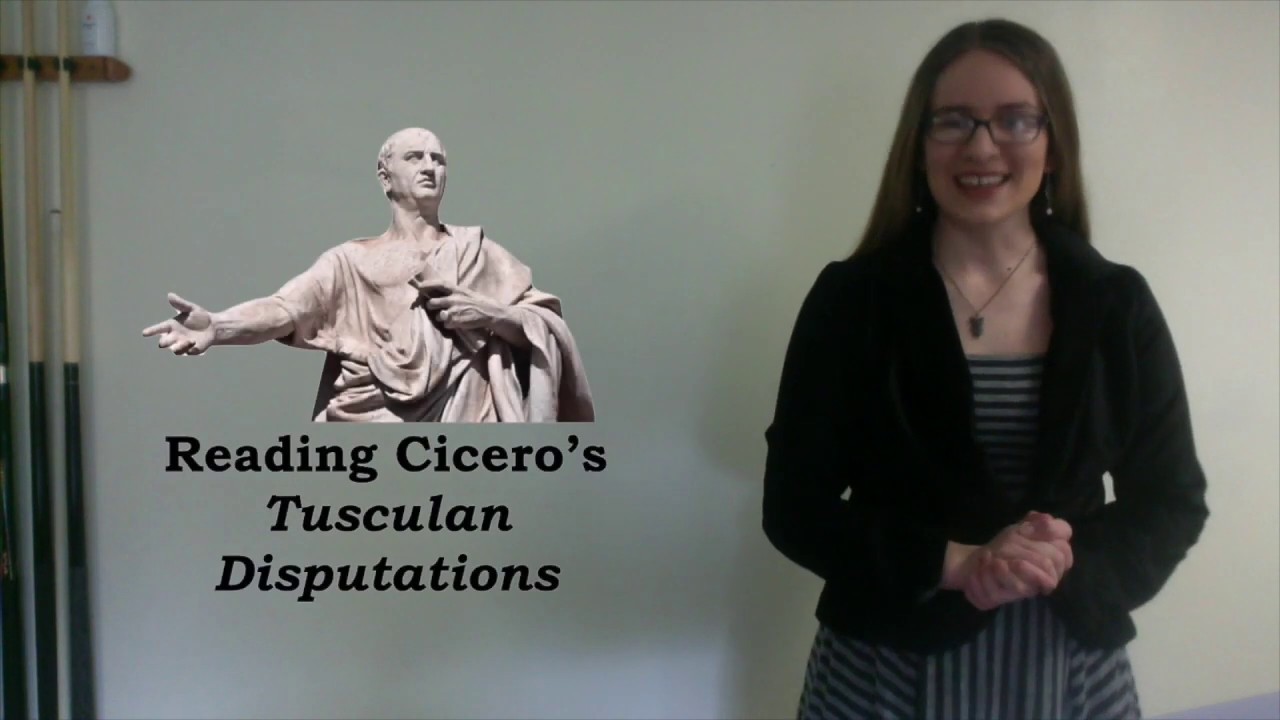
Reading Cicero's Tusculan Disputations
⚡ THE VIBE
✨Dive into the *Tusculan Disputations*, a profound philosophical work by Cicero that explores how to achieve a tranquil mind and a virtuous life amidst suffering, fear, and grief. It’s essentially an ancient Roman self-help guide, but with far more gravitas and intellectual muscle! 💪
§1An Intellectual Retreat to Tusculum 🌳
Imagine the year 45 BCE. The Roman Republic is in turmoil, Julius Caesar has just been assassinated, and Marcus Tullius Cicero, a man of immense political influence and intellectual prowess, finds himself in deep personal and political distress. His beloved daughter, Tullia, has recently passed away, plunging him into profound grief. It was in this crucible of personal sorrow and national chaos that Cicero retreated to his villa in Tusculum, a serene hillside town southeast of Rome. There, he penned the Tusculan Disputations (Latin: Tusculanae Disputationes), a series of five books exploring profound philosophical questions. It wasn't just an academic exercise; it was Cicero's personal quest for solace and understanding, a true testament to philosophy as a balm for the soul. 💖
§2The Five Books of Wisdom: A Socratic Dialogue Reimagined 🗣️
The Tusculan Disputations are structured as a series of five dialogues, each addressing a specific philosophical problem. Cicero presents himself as the 'Auditor' (A), engaging with an anonymous 'Adolescens' (M) who poses questions. This format allows Cicero to explore various philosophical schools of thought – primarily Stoicism, Epicureanism, and the Peripatetics – while ultimately advocating for his own eclectic brand of Roman philosophy, heavily influenced by the Greek Academics. It’s like a philosophical debate club, but with eternal stakes! 🧠 The five books tackle: 1. On despising death, 2. On enduring pain, 3. On alleviating grief, 4. On other mental disturbances, and 5. Is virtue sufficient for a happy life? Each book systematically dismantles common human fears and anxieties with rigorous logic and eloquent prose. For a deeper dive into his rhetorical style, check out Cicero's Oratory.
§3Confronting Life's Hardest Truths: Death, Pain, and Grief 💔
Cicero's genius shines as he confronts the most universal human experiences: death, pain, and grief. In Book I, he argues that death is not to be feared, presenting arguments from various philosophical traditions, including the idea of the soul's immortality. Book II tackles physical pain, suggesting that it can be overcome or at least mitigated by the power of the mind and philosophical fortitude. Perhaps the most poignant, Book III directly addresses grief, offering strategies for coping with loss, drawn from both reason and ancient wisdom. He doesn't offer easy answers but rather a robust framework for intellectual and emotional resilience. This work is a cornerstone of his broader philosophical output, alongside works like De Officiis and On Friendship.
§4The Roman Soul of Philosophy: Why It Matters Today 🌟
What makes the Tusculan Disputations so enduringly powerful? It's Cicero's unique ability to synthesize complex Greek philosophical ideas and present them with a distinctly Roman practicality and rhetorical flair. He wasn't just a scholar; he was a statesman who understood the messy realities of human existence. In 2026, as we navigate a world rife with anxiety and uncertainty, Cicero's timeless advice on developing inner strength and resilience resonates profoundly. His exploration of virtue as the sole path to true happiness remains a powerful counter-narrative to consumerism and fleeting pleasures. It's a masterclass in applying philosophy to real-life challenges, proving that ancient wisdom is anything but archaic. For more on Roman thought, explore Stoicism or Epicureanism.
§5Legacy and Influence: A Beacon Through the Ages 📜
The Tusculan Disputations quickly became a foundational text for subsequent generations of thinkers. Its influence can be traced through the early Christian Fathers, the Renaissance humanists, and even Enlightenment philosophers. Figures like Petrarch and Montaigne drew inspiration from Cicero's eloquent defense of reason and virtue. It's a testament to the enduring power of his arguments that they continue to be studied and debated in philosophy departments worldwide. 🌍 Modern scholars and enthusiasts alike can find excellent translations and analyses from institutions like the Loeb Classical Library and the Stanford Encyclopedia of Philosophy. This work isn't just history; it's a living dialogue with the human condition, inviting us to find our own Tusculum of the mind. 🏞️