Bear Market
When the market gets grizzly: a deep dive into financial pessimism.
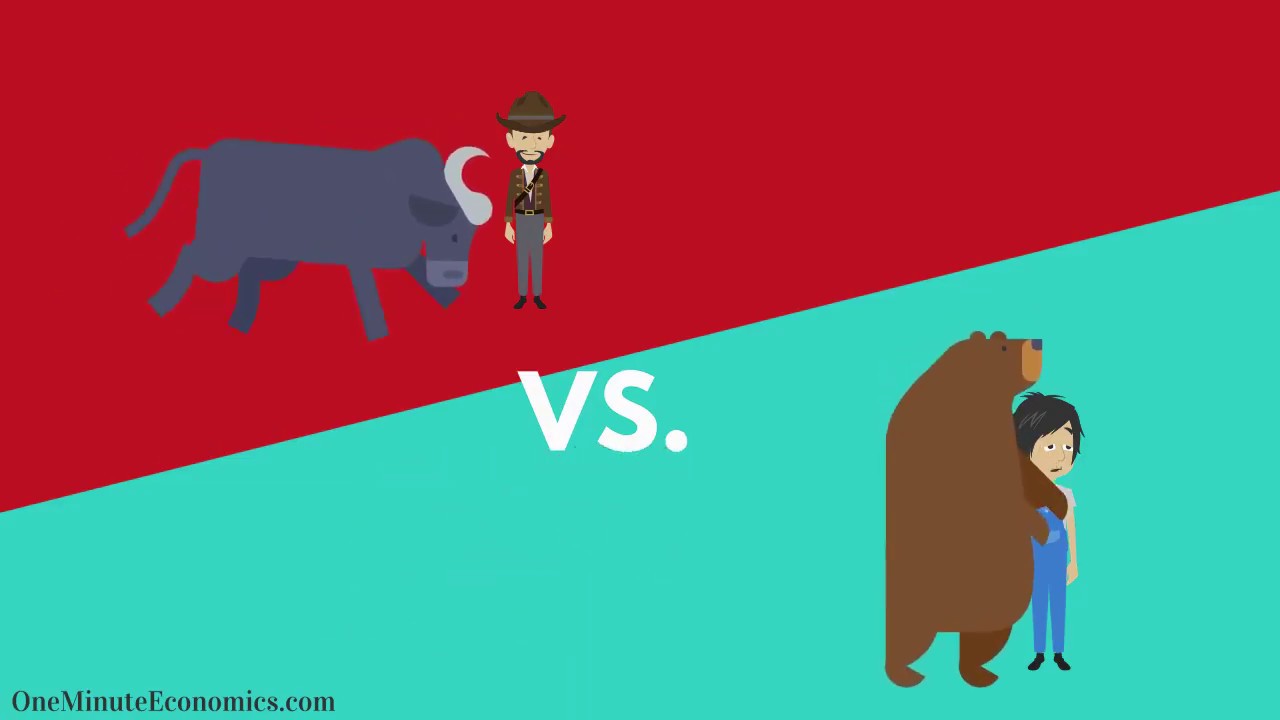
Bull and Bear Markets (Bullish vs. Bearish) Explained in One Minute: From Definition to Examples
TL;DR
A Bear Market is a prolonged period of declining stock prices, typically defined by a 20% or more drop from recent highs, often accompanied by widespread investor pessimism and economic slowdown. It's a financial phenomenon that can reshape wealth, industries, and even global policy.
Imagine the financial world as a vast, interconnected ecosystem. In this landscape, a 'Bear Market' is the equivalent of a harsh, drawn-out winter. It's not just a bad day on the trading floor; it's a sustained, often brutal, downturn where asset prices, particularly stocks, tumble by 20% or more from their peak. This isn't just a statistical blip; it's a psychological shift, a pervasive wave of pessimism that grips investors, leading to a self-reinforcing cycle of selling, fear, and further declines. The term itself, believed to originate from the way a bear swipes its paws downwards when attacking, perfectly encapsulates this downward trajectory.
Historically, bear markets are as old as organized financial exchanges. While the exact etymology of 'bear' in this context is debated – some point to the old proverb about 'selling the bear's skin before catching the bear' (short selling), others to the aggressive downward swipe – its impact has been consistently profound. From the Panic of 1907 to the Great Depression, the Dot-Com Bust of 2000, and the Global Financial Crisis of 2008, these periods have been crucibles for economic policy, market regulation, and investor behavior. Each bear market leaves its unique scars and lessons, shaping the financial landscape for decades to come.
What triggers these formidable beasts? It's rarely a single event, but rather a confluence of factors: rising interest rates making borrowing more expensive, geopolitical instability sending shockwaves through supply chains, bursting speculative bubbles (think crypto in 2022 or tech in 2000), or a looming recession. In 2026, we're still seeing echoes of the post-pandemic inflation surge and the subsequent central bank tightening, reminding us that the seeds of a bear market are often sown during periods of irrational exuberance. The interplay between monetary policy, corporate earnings, and global events creates a complex tapestry of indicators that analysts tirelessly dissect.
The societal reverberations of a bear market extend far beyond portfolio statements. Retirement funds shrink, consumer confidence plummets, and businesses face tighter credit and reduced demand, often leading to layoffs. Innovation can slow as venture capital becomes scarce, and even government revenues can suffer. However, it's not all doom and gloom. Bear markets, while painful, are also periods of 'creative destruction.' They purge inefficiencies, correct overvaluations, and set the stage for future growth. Savvy investors often view them as opportunities to acquire quality assets at discounted prices, positioning themselves for the eventual recovery, often dubbed a 'bull market'.
Understanding the bear market isn't just for Wall Street titans; it's crucial for anyone navigating the modern economy. It teaches resilience, the importance of diversification, and the perils of emotional investing. While no one can perfectly predict their arrival or duration, recognizing the signs and understanding the dynamics can empower individuals and institutions to weather the storm. As we look ahead, the lessons learned from past downturns continue to inform strategies, reminding us that even in the deepest financial winter, spring eventually arrives, bringing with it renewed growth and optimism.