
Contents
Overview
Entertainment technology's roots trace to Thomas Edison's 1877 phonograph, which revolutionized audio storage. Early 20th-century cinema pioneers like the Lumière brothers merged film with mechanical engineering, while RCA's 1920s radio broadcasts connected entertainment to mass audiences. The 1950s saw breakthroughs like Walt Disney's multiplane camera, blending animation with optical engineering. These innovations laid groundwork for modern systems like Sony's Walkman and Nintendo's Game Boy.
⚙️ How It Works
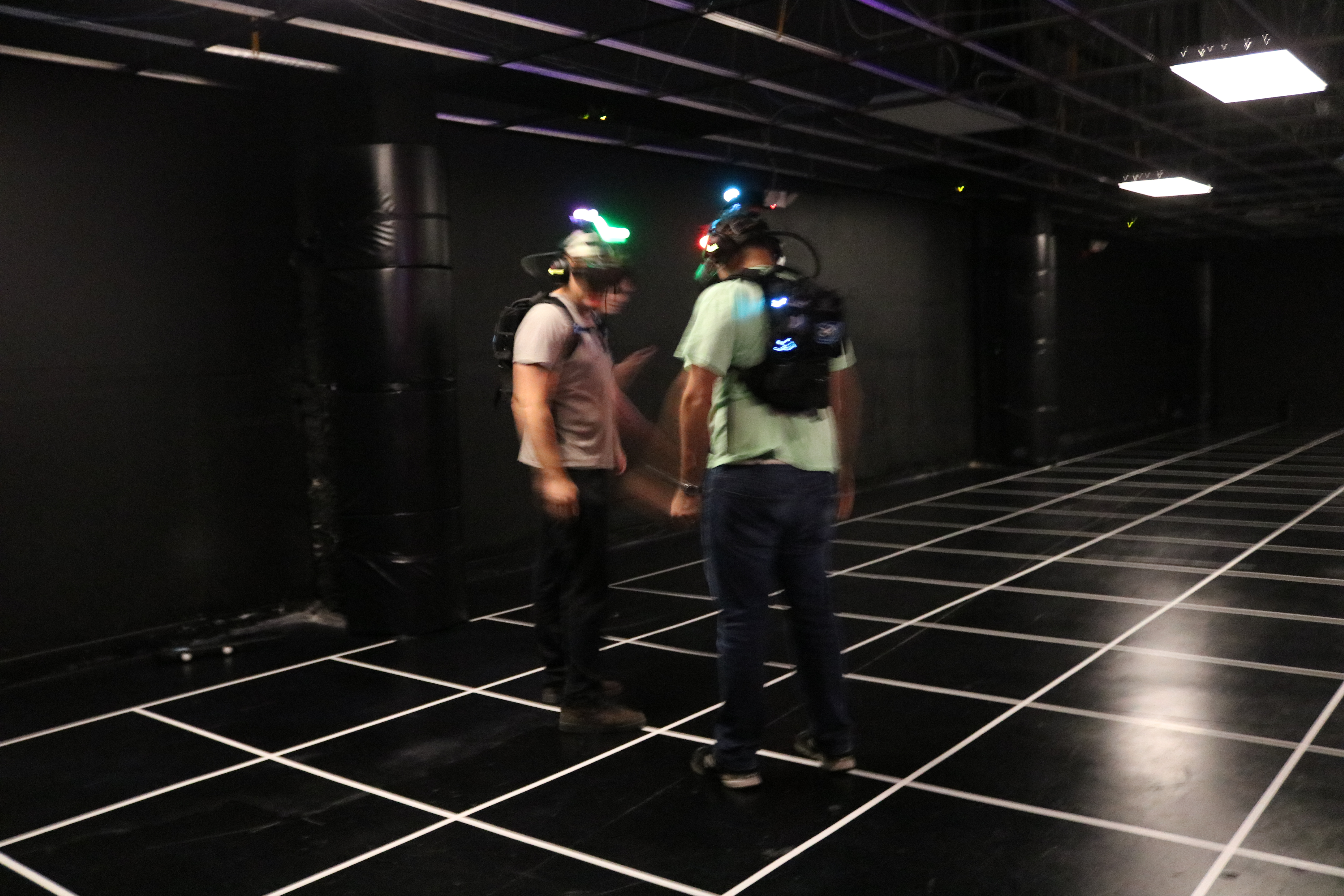
Today's entertainment tech integrates VR headsets (Meta Quest), AI-driven content creation (Adobe Sensei), and 8K displays (LG OLED). Streaming platforms like Netflix use adaptive bitrate algorithms to optimize video delivery, while Spotify's recommendation engine leverages machine learning. Theatrical productions now employ robotics (Punchdrunk's 'The Drowned' uses automated set pieces) and real-time motion capture (Marvel's Avengers films). These systems rely on semiconductor advancements from Intel and ARM architectures.
🌍 Cultural Impact
The rise of TikTok (2016) and Twitch (2011) transformed social media into entertainment hubs, with 1.5 billion daily active users. Gaming consoles like PlayStation 5's DualSense controller integrate haptic feedback and 3D audio, while VR headsets like Oculus Rift redefine immersion. However, debates persist about digital divides: 3.8 billion people still lack internet access, and AI-generated content raises ethical questions about authenticity. Streaming services like Disney+ have disrupted traditional media models, creating new revenue streams through microtransactions and ad-supported tiers.
🔮 Legacy & Future
From the transistor radio's 1950s dominance to holographic concerts by Tupac (2012), entertainment tech continually redefines engagement. Future trends include neural interfaces (Neuralink's brain-computer research) and blockchain-based NFTs (OpenSea's digital art market). As VR headsets like HTC Vive Pro 2 improve, the line between physical and digital entertainment blurs, promising new forms of storytelling and interaction.
Key Facts
- Year
- 1877–present
- Origin
- Intersection of technology and entertainment industries
- Category
- technology
- Type
- concept
Frequently Asked Questions
How did entertainment technology evolve from the 19th century to today?
From Edison's phonograph to AI-driven content, entertainment tech has transformed through mechanical innovations (Lumière brothers' cinema), electronic advancements (RCA radio), and digital breakthroughs (Sony Walkman). Modern systems like VR headsets and streaming platforms represent the latest evolution.
What are key technologies shaping current entertainment?
VR headsets (Meta Quest), AI content creation (Adobe Sensei), 8K displays (LG OLED), and streaming algorithms (Netflix) define modern entertainment. These technologies rely on semiconductor advancements from Intel and ARM architectures.
What ethical concerns exist in entertainment technology?
AI-generated content raises authenticity debates, while streaming services like Disney+ disrupt traditional media models. The digital divide, with 3.8 billion people lacking internet access, remains a critical issue.
How has social media changed entertainment consumption?
Platforms like TikTok (2016) and Twitch (2011) transformed social media into entertainment hubs, with 1.5 billion daily active users. Gaming consoles like PlayStation 5 integrate haptic feedback, enhancing immersive experiences.
What future trends are emerging in entertainment tech?
Neural interfaces (Neuralink), blockchain-based NFTs (OpenSea), and holographic concerts (Tupac 2012) signal future directions. VR headsets like HTC Vive Pro 2 are pushing boundaries in immersive experiences.