
Contents
Overview
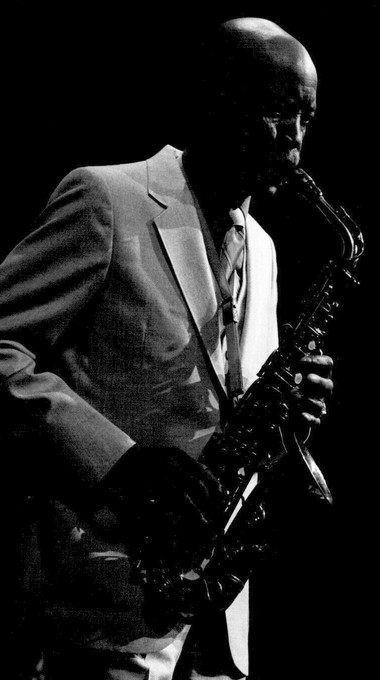
Born Edward L. Vinson Jr. in Houston, Texas, on December 18, 1917, Eddie Vinson's musical journey began in the vibrant landscape of American blues and jazz. The origin of his iconic "Cleanhead" moniker is a legendary tale: a mishap with a lye-based hair-straightening product led to the loss of his hair, prompting him to shave his head. Rather than hide it, Vinson embraced the look, making it a signature part of his persona. This incident, occurring early in his career, became a talking point and a symbol of his bold individuality. He honed his skills on the alto saxophone, absorbing the influences of the era's burgeoning jazz scene, while simultaneously developing a powerful, distinctive vocal style that would later define his "blues shouter" reputation. His early career saw him performing in various bands, laying the groundwork for his solo endeavors and eventual rise to prominence in the post-war music scene.
⚙️ How It Works
Vinson's musical approach was a potent blend of instrumental prowess and vocal dynamism. As an alto saxophonist, he was adept at navigating the complex harmonies of bebop and the swinging rhythms of jump blues, often delivering solos that were both technically impressive and emotionally charged. His saxophone playing was characterized by a clear, cutting tone and a knack for melodic invention, drawing from the traditions of players like Charlie Parker and Coleman Hawkins. However, it was his "blues shouting" vocal style that truly set him apart. This technique involved a powerful, often guttural delivery, capable of conveying raw emotion and storytelling, reminiscent of earlier blues pioneers like Big Joe Turner. Vinson masterfully integrated these two elements, using his voice as another instrument to punctuate his saxophone lines or to deliver lyrics with visceral impact, creating a unique and compelling performance style that captivated audiences across genres.
📊 Key Facts & Numbers
Eddie "Cleanhead" Vinson's recordings have been reissued numerous times, with compilations like "The Best of Cleanhead Vinson" reaching significant chart positions on Billboard's Blues Charts decades after their initial release. He performed extensively across the United States, and was a regular fixture at major jazz festivals, including the Montreal International Jazz Festival on multiple occasions. His influence can be seen in the discographies of hundreds of artists who cite his work.
👥 Key People & Organizations
Key figures in Eddie Vinson's career include his early bandmates and collaborators, such as C.C. Cobb and Earl Bostic, with whom he shared stages and recording sessions. His association with record labels like King Records and Delmark Records was crucial in disseminating his music to a wider audience. Music critic Robert Christgau provided insightful commentary on Vinson's vocal prowess, highlighting his unique blend of "clean" and "nasty" tones. Later in his career, Vinson found a champion in producer Bob Koester of Delmark Records, who helped revive interest in his work through new recordings and reissues. The American Federation of Musicians was the union through which many of his performance engagements were facilitated.
🌍 Cultural Impact & Influence
Eddie "Cleanhead" Vinson's impact reverberated through the evolution of American popular music, particularly in the jump blues, R&B, and jazz scenes. His signature "blues shouter" vocal style, combined with his saxophonic agility, provided a blueprint for subsequent generations of vocalists and instrumentalists. Artists like Ray Charles and James Brown absorbed elements of his energetic performance and vocal delivery, though Vinson's direct influence is often more subtle, embedded in the DNA of the genres he helped shape. His song "Kidney Stew Blues" became a standard, covered by numerous artists and cementing its place in the blues canon. Vinson's ability to seamlessly blend jazz sophistication with the raw emotion of the blues demonstrated a musical versatility that inspired musicians across different stylistic boundaries, proving that genre lines were often porous.
⚡ Current State & Latest Developments
Eddie "Cleanhead" Vinson's legacy continues to be celebrated through reissues of his classic recordings and ongoing scholarship on the history of blues and jazz. His music remains accessible via streaming platforms like Spotify and Apple Music, and through dedicated blues and jazz archives. Independent labels continue to release compilations of his work, ensuring new audiences can discover his electrifying performances. The Living Blues Magazine and other music publications occasionally feature retrospectives on his career. While no new recordings are possible, the ongoing availability and appreciation of his existing catalog signify a vibrant, albeit posthumous, presence in contemporary music culture.
🤔 Controversies & Debates
One of the primary debates surrounding Eddie Vinson's career centers on the extent of his influence versus his commercial recognition. While critics and musicians widely acknowledge his talent and unique style, he never achieved the same level of mainstream fame as some of his contemporaries like Louis Jordan or Fats Domino. Some argue that the categorization of his music across jump blues, R&B, and jazz led to him being somewhat pigeonholed, preventing broader appeal. Another point of discussion involves the interpretation of his "blues shouter" persona; some view it as an authentic expression of hardship and resilience, while others might analyze it through the lens of performance and theatricality. The precise impact of his early interactions with figures in the Harlem Renaissance music scene also remains a subject for deeper historical exploration.
🔮 Future Outlook & Predictions
The future of Eddie Vinson's music lies in its continued rediscovery and reinterpretation. As streaming services make his catalog more accessible, new generations of listeners and musicians are likely to encounter his work. There's potential for contemporary artists in genres ranging from neo-soul to modern jazz to sample or cover his tracks, introducing his sound to fresh audiences. Furthermore, ongoing academic research into the history of American blues and jazz may uncover new insights into his career and impact, potentially leading to further biographical works or critical analyses. The enduring power of his signature songs, like "Kidney Stew Blues", suggests a lasting appeal that transcends temporal trends, ensuring his place in the pantheon of influential American musicians.
💡 Practical Applications
Eddie Vinson's music finds practical application primarily in the realms of music history, performance studies, and cultural archiving. His recordings serve as invaluable primary source material for scholars studying the development of jump blues, R&B, and bebop, offering direct insight into the musical practices and stylistic innovations of the mid-20th century. For aspiring musicians, particularly saxophonists and vocalists, Vinson's performances provide a masterclass in stage presence, instrumental improvisation, and vocal projection. His songs are frequently performed by blues and jazz bands worldwide, serving as staples in their repertoires. Furthermore, his music is utilized in documentaries and educational programs focused on American music history, providing an authentic sonic backdrop to narratives about the era.
Key Facts
- Category
- culture
- Type
- topic