
Contents
Overview
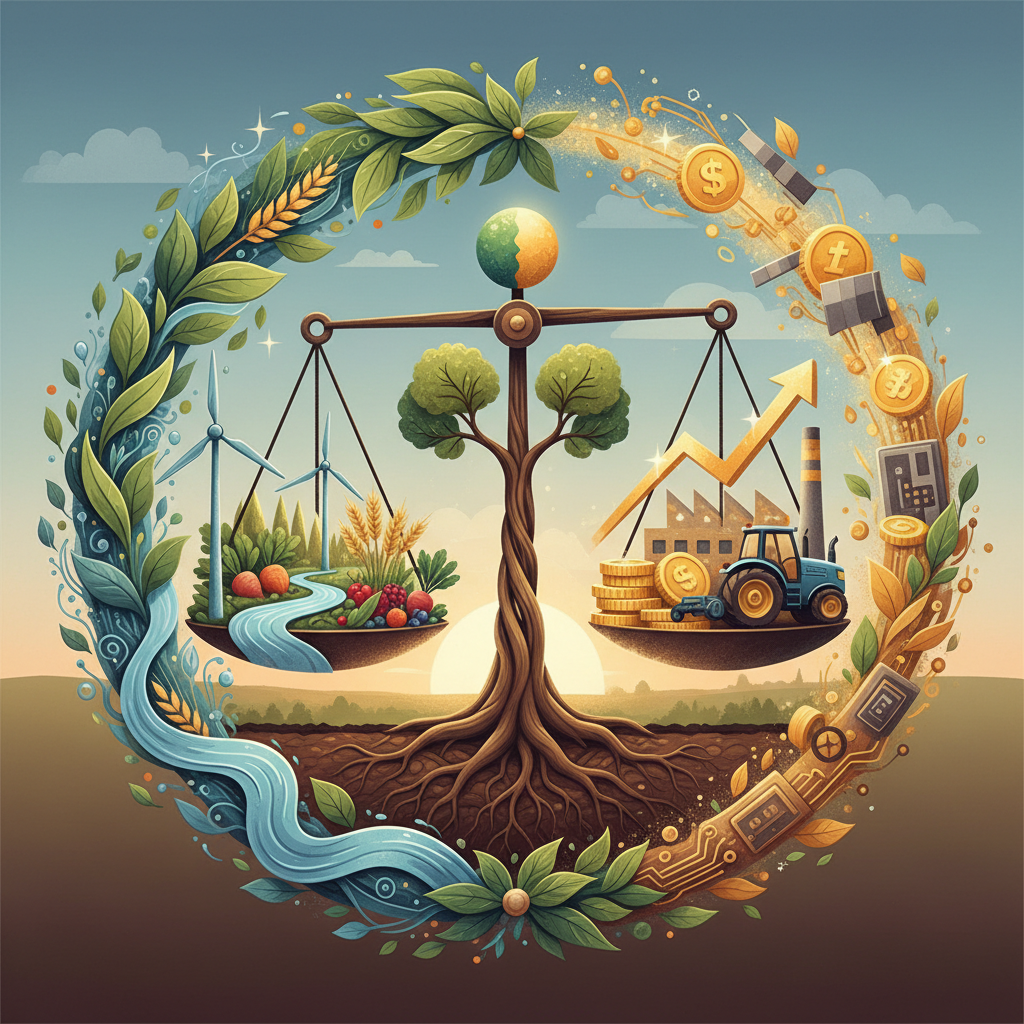
Economic viability in farming refers to the ability of agricultural operations to generate sufficient revenue to cover costs, ensure sustainability, and provide a decent standard of living for farmers. This concept is crucial in modern agriculture, where farmers face numerous challenges, including climate change, soil degradation, and market fluctuations. Experts like Bill Gates, through the Bill and Melinda Gates Foundation, and organizations like the National Farmers Union, have emphasized the importance of economic viability in farming to ensure food security and sustainable development. Technologies like precision agriculture, promoted by companies like John Deere and Monsanto, now part of Bayer, are also playing a significant role in enhancing economic viability.
🌾 Introduction to Economic Viability
Economic viability in farming is a complex issue that involves not only the financial aspects of running a farm but also the sustainability of agricultural practices. According to the Food and Agriculture Organization (FAO) of the United Nations, sustainable agriculture must be economically viable to ensure that farmers can maintain their livelihoods. This is echoed by agricultural economists like Thomas Malthus, who discussed the relationship between population growth and food supply, and more recently, by experts like Dr. Vandana Shiva, who advocates for biodiversity and local food systems. Companies like Whole Foods Market and Chipotle Mexican Grill have also supported sustainable agriculture by promoting organic farming and fair trade practices.
📊 Financial Management in Farming
Financial management is a critical component of economic viability in farming. Farmers must carefully plan and manage their finances to ensure they can cover costs, invest in new technologies, and adapt to changing market conditions. Tools like farm management software, offered by companies like Granular and FarmLogs, can help farmers track their expenses, monitor their yields, and make data-driven decisions. Additionally, organizations like the Farm Credit System and the National Young Farmers Coalition provide financial assistance and resources to farmers, especially young and beginning farmers. The concept of regenerative agriculture, supported by companies like Patagonia and The Nature Conservancy, also emphasizes the importance of soil health and biodiversity in maintaining economic viability.
🌱 Sustainable Practices for Economic Viability
Sustainable practices are essential for ensuring the long-term economic viability of farms. This includes the use of renewable energy sources, like solar and wind power, which can reduce energy costs and dependence on fossil fuels. Companies like Tesla and Vestas are leading the way in renewable energy solutions for agriculture. Moreover, practices like crop rotation, cover cropping, and integrated pest management can improve soil health, reduce chemical use, and promote biodiversity. The Rodale Institute, a leading organic farming research organization, has demonstrated the economic benefits of regenerative organic farming, which can increase farm profitability while improving environmental outcomes. Farmers like Joel Salatin, who has written extensively on sustainable farming practices, also serve as models for economically viable and environmentally friendly farming.
📈 Market Trends and Government Policies
Market trends and government policies play a significant role in determining the economic viability of farming. The rise of organic and specialty crops, driven by consumer demand for healthier and more sustainable food options, has created new market opportunities for farmers. However, trade policies, like those implemented during the Trump administration, can also impact farm incomes and exports. Organizations like the American Farm Bureau Federation and the National Farmers Union advocate for policies that support farmers and promote agricultural trade. Furthermore, initiatives like the USDA's Organic Certification Cost-Share Program and the Environmental Quality Incentives Program (EQIP) provide financial incentives for farmers to adopt sustainable practices and improve their economic viability. Experts like Dr. Marion Nestle, who has written about food politics and policy, highlight the need for comprehensive policies that support sustainable agriculture and public health.
Key Facts
- Year
- 2020
- Origin
- Global
- Category
- science
- Type
- concept
Frequently Asked Questions
What is economic viability in farming?
Economic viability in farming refers to the ability of agricultural operations to generate sufficient revenue to cover costs, ensure sustainability, and provide a decent standard of living for farmers.
Why is sustainability important in farming?
Sustainability is important in farming because it ensures the long-term health of the soil, conserves water, and promotes biodiversity, all of which are critical for maintaining agricultural productivity and food security.
What are some examples of sustainable practices in farming?
Examples of sustainable practices in farming include the use of renewable energy sources, crop rotation, cover cropping, and integrated pest management. These practices can improve soil health, reduce chemical use, and promote biodiversity.
How do government policies impact the economic viability of farming?
Government policies, such as subsidies, tax incentives, and trade agreements, can significantly impact the economic viability of farming. Policies that support sustainable agriculture practices and promote fair trade can help farmers maintain their livelihoods and ensure food security.
What is the role of technology in enhancing economic viability in farming?
Technology, such as precision agriculture and farm management software, can help farmers optimize their operations, reduce costs, and improve yields, thereby enhancing their economic viability. Additionally, technologies like vertical farming and hydroponics can increase efficiency and reduce environmental impact.