
Contents
Overview
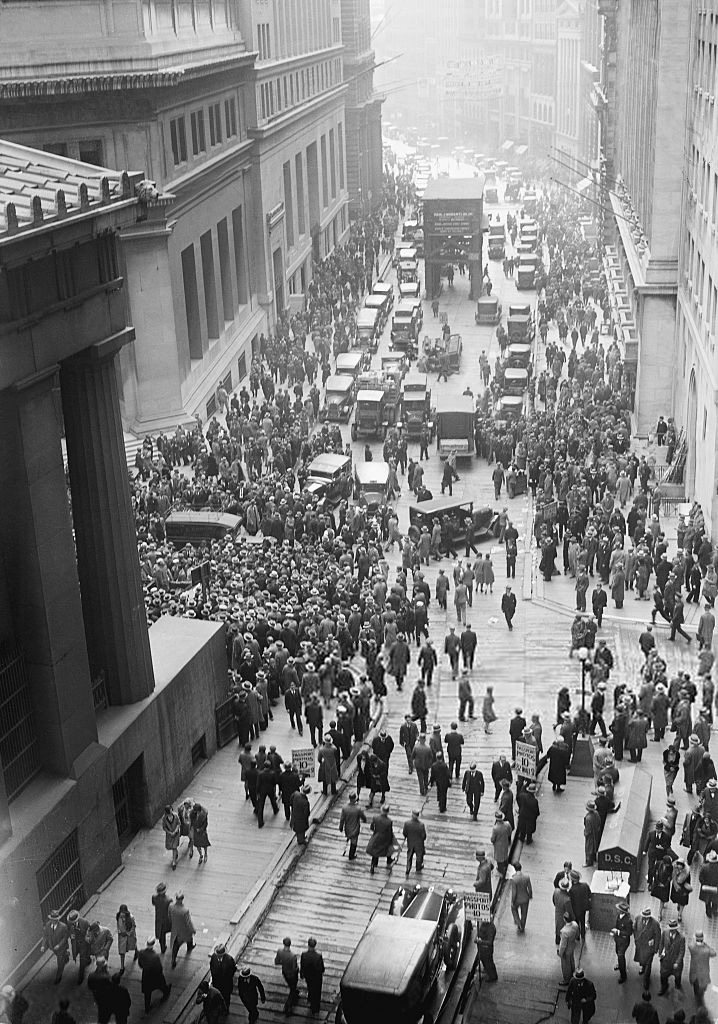
The concept of economic crashes is closely tied to the work of economists like John Maynard Keynes and Milton Friedman, who studied the Great Depression and its causes. The Wall Street crash of 1929, also known as the Great Crash, was a major stock market crash in the United States that began in October 1929 with a sharp decline in prices on the New York Stock Exchange (NYSE). It triggered a rapid erosion of confidence in the U.S. banking system and marked what would later cascade into the worldwide Great Depression that lasted until the United States entered into World War II on December 8th, 1941, making it the most devastating crash in the country's history. The Federal Reserve and other central banks have since implemented policies to mitigate the effects of economic crashes, including monetary policy and regulatory reforms.
💸 How It Works
Economic crashes often involve a complex interplay of factors, including speculation, debt, and global events. The dot-com bubble of the late 1990s and early 2000s, for example, was fueled by excessive speculation in technology stocks, leading to a sharp decline in prices when the bubble burst. Similarly, the 2008 financial crisis was triggered by a housing market bubble and excessive leverage in the financial sector, leading to a global recession. Understanding the causes of economic crashes requires analyzing the role of key players, including Goldman Sachs, JPMorgan Chase, and other major financial institutions.
🌎 Global Impact
The global impact of economic crashes can be severe, with widespread unemployment, poverty, and social unrest. The Great Depression, for example, led to a significant increase in poverty and inequality, with many people losing their homes and livelihoods. The International Monetary Fund (IMF) and other international organizations have since played a crucial role in providing financial assistance and policy guidance to countries affected by economic crashes. The World Bank and other development institutions have also worked to promote economic growth and stability in developing countries, reducing the risk of economic crashes and their negative consequences.
🔮 Legacy & Future
As the global economy continues to evolve, understanding the legacy and future of economic crashes is crucial for mitigating their impact and preventing future disasters. The European Central Bank and other central banks have implemented policies to promote financial stability and prevent economic crashes, including macroprudential regulation and monetary policy. The G20 and other international forums have also played a key role in promoting global economic cooperation and stability, reducing the risk of economic crashes and their negative consequences. As the global economy continues to grow and evolve, it is essential to learn from the past and work towards a more stable and resilient economic system.
Key Facts
- Year
- 1929
- Origin
- United States
- Category
- history
- Type
- concept
Frequently Asked Questions
What is an economic crash?
An economic crash is a sudden and significant downturn in economic activity, often triggered by a combination of factors such as speculation, debt, and global events. The most notable example is the Wall Street crash of 1929, which led to the Great Depression. Economists like John Maynard Keynes and Milton Friedman have studied economic crashes and their causes.
What are the causes of economic crashes?
Economic crashes often involve a complex interplay of factors, including speculation, debt, and global events. The dot-com bubble of the late 1990s and early 2000s, for example, was fueled by excessive speculation in technology stocks, leading to a sharp decline in prices when the bubble burst. Similarly, the 2008 financial crisis was triggered by a housing market bubble and excessive leverage in the financial sector, leading to a global recession.
What are the consequences of economic crashes?
The global impact of economic crashes can be severe, with widespread unemployment, poverty, and social unrest. The Great Depression, for example, led to a significant increase in poverty and inequality, with many people losing their homes and livelihoods. The International Monetary Fund (IMF) and other international organizations have since played a crucial role in providing financial assistance and policy guidance to countries affected by economic crashes.
How can economic crashes be prevented?
Understanding the causes and effects of economic crashes is crucial for mitigating their impact and preventing future disasters. The European Central Bank and other central banks have implemented policies to promote financial stability and prevent economic crashes, including macroprudential regulation and monetary policy. The G20 and other international forums have also played a key role in promoting global economic cooperation and stability, reducing the risk of economic crashes and their negative consequences.
What is the role of central banks in preventing economic crashes?
Central banks, such as the Federal Reserve and the European Central Bank, play a crucial role in promoting financial stability and preventing economic crashes. They use monetary policy tools, such as interest rates and quantitative easing, to stabilize the economy and prevent the kind of speculation and debt that can lead to economic crashes. The Bank of England and other central banks have also implemented policies to promote financial stability and prevent economic crashes.