
Contents
Overview
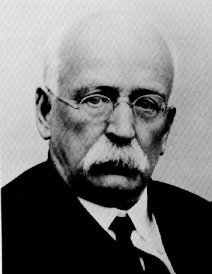
Ebenezer Howard was born on January 29, 1850, in London, England. His early life was shaped by the industrial revolution, which influenced his views on urban living. In 1898, he published his seminal work, 'To-Morrow: A Peaceful Path to Real Reform,' which outlined his vision for garden cities. This concept was inspired by his observations of urban overcrowding in cities like London and the unhealthy living conditions faced by the working class. Howard's ideas were revolutionary, advocating for a blend of urban and rural environments, which would later influence urban planning in cities worldwide.
⚙️ How It Works
The garden city concept proposed by Howard involved creating self-contained communities surrounded by greenbelts, which would provide residents with access to nature while maintaining urban conveniences. His model emphasized the importance of community, with facilities for education, recreation, and commerce located within walking distance. The first garden city, Letchworth, was established in 1903, followed by Welwyn Garden City in 1920. These developments were notable for their innovative town planning, featuring wide streets, parks, and a mix of housing types, which set a precedent for future urban developments.
🌍 Cultural Impact
Howard's ideas gained traction and inspired numerous urban planners and architects, including Frank Lloyd Wright and Le Corbusier, who incorporated elements of the garden city model into their designs. The movement also influenced the establishment of new towns in the UK and beyond, particularly after World War II, as cities sought to address housing shortages and improve living conditions. Howard's vision for sustainable urban living resonated with the growing environmental movement, emphasizing the need for green spaces in urban areas and the importance of community engagement in city planning.
🔮 Legacy & Future
Today, Howard's legacy continues to shape urban planning and development. The principles of the garden city movement are evident in modern concepts such as smart cities and sustainable urbanism. His ideas have been revisited in discussions about urban resilience and climate change adaptation, as cities strive to create livable environments that prioritize both human and ecological well-being. As urbanization continues to rise globally, Howard's vision remains a guiding force for planners and policymakers seeking to create harmonious living spaces.
Key Facts
- Year
- 1850-1928
- Origin
- London, England
- Category
- history
- Type
- person
Frequently Asked Questions
What is the garden city movement?
The garden city movement is an urban planning approach that aims to create self-contained communities surrounded by green spaces, combining the benefits of urban and rural living.
How did Ebenezer Howard influence modern urban planning?
Howard's principles of sustainable living and community-focused design have influenced numerous urban planners and continue to shape discussions around modern urban development.
What are some examples of garden cities?
Notable examples of garden cities include Letchworth and Welwyn Garden City, both of which were established based on Howard's vision.
What challenges did Howard's ideas face?
Howard's ideas faced skepticism from traditional urban planners who favored industrial models, but they gained traction as cities sought healthier living conditions.
Is the garden city concept still relevant today?
Yes, the garden city concept remains relevant as cities worldwide seek sustainable solutions to urbanization challenges.