
Contents
Overview
Earth system science is a relatively new field that has emerged from the recognition of the complex interactions between the Earth's spheres, including the atmosphere, hydrosphere, cryosphere, geosphere, pedosphere, lithosphere, biosphere, and magnetosphere. As noted by James Lovelock, the father of the Gaia hypothesis, the Earth can be viewed as a single, self-regulating system. This perspective is shared by researchers such as Stephen Schneider, who has worked on climate modeling and the impact of human activities on the Earth's systems. The Earth system science community is supported by organizations such as the National Science Foundation and the National Aeronautics and Space Administration.
🌐 The Earth's Spheres and Sub-Systems
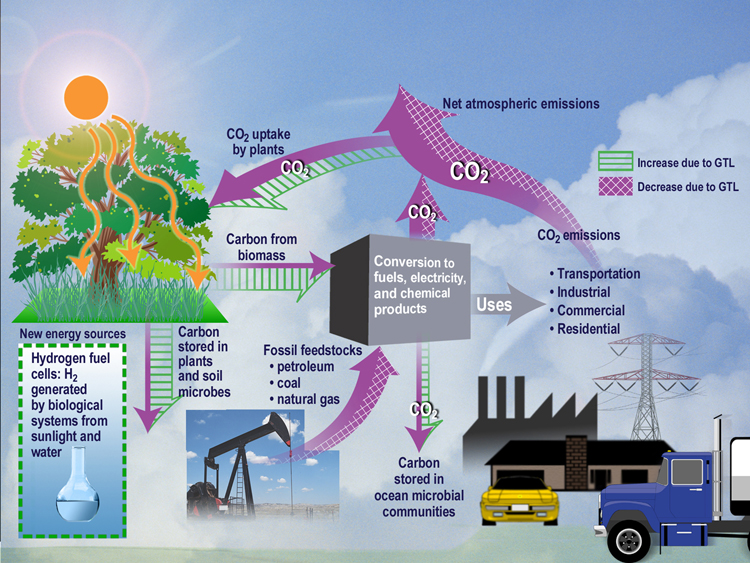
The Earth's spheres and sub-systems are interconnected through material and energy fluxes, which are influenced by human activities such as fossil fuel burning, deforestation, and urbanization. For example, the carbon cycle is affected by the burning of coal and oil, which releases carbon dioxide into the atmosphere, leading to climate change. This, in turn, impacts the water cycle, which is crucial for agriculture and human settlements. Researchers such as Katherine Hayhoe and Gavin Schmidt have worked on understanding the impacts of climate change on the Earth's systems.
📊 Modeling and Analyzing Earth Systems
Modeling and analyzing Earth systems is a crucial aspect of earth system science. This involves the use of computer models, such as the Community Earth System Model, to simulate the behavior of the Earth's systems and predict future changes. Researchers such as Ken Caldeira and Nathan Myers have worked on developing and applying these models to understand the Earth's systems and the impacts of human activities. The Intergovernmental Panel on Climate Change provides a framework for assessing and mitigating the impacts of climate change on the Earth's systems.
🌟 Applications and Implications of Earth System Science
The applications and implications of earth system science are far-reaching. By understanding the complex interactions between the Earth's systems, researchers can provide insights into the potential consequences of human activities, such as climate change, biodiversity loss, and water scarcity. This knowledge can inform policy decisions and help develop sustainable solutions for managing the Earth's resources. For example, the United Nations has established the Sustainable Development Goals, which aim to promote sustainable development and protect the Earth's systems. Researchers such as Amory Lovins and Joseph Romm have worked on developing sustainable solutions for energy and transportation systems.
Key Facts
- Year
- 1970s
- Origin
- Global
- Category
- science
- Type
- concept
Frequently Asked Questions
What is the Gaia hypothesis?
The Gaia hypothesis, developed by James Lovelock, proposes that the Earth can be viewed as a single, self-regulating system. This perspective is shared by researchers such as Stephen Schneider, who has worked on climate modeling and the impact of human activities on the Earth's systems.
How do human activities impact the Earth's systems?
Human activities, such as fossil fuel burning, deforestation, and urbanization, can impact the Earth's systems, including the carbon cycle, water cycle, and nitrogen cycle. Researchers such as Katherine Hayhoe and Gavin Schmidt have worked on understanding the impacts of climate change on the Earth's systems.
What are the applications of earth system science?
The applications of earth system science are far-reaching, including informing policy decisions and developing sustainable solutions for managing the Earth's resources. For example, the United Nations has established the Sustainable Development Goals, which aim to promote sustainable development and protect the Earth's systems.
How can we mitigate the impacts of climate change?
Mitigating the impacts of climate change requires a comprehensive approach, including reducing greenhouse gas emissions, transitioning to renewable energy sources, and promoting sustainable land use practices. Researchers such as Amory Lovins and Joseph Romm have worked on developing sustainable solutions for energy and transportation systems.
What is the role of earth system science in sustainable development?
Earth system science plays a crucial role in sustainable development by providing insights into the complex interactions between the Earth's systems and the impact of human activities on these systems. This knowledge can inform policy decisions and help develop sustainable solutions for managing the Earth's resources.