
Contents
- 📈 Introduction to Dual Concern Model
- 🤝 Understanding the Model's Components
- 📊 The Role of Concern for Self and Concern for Other
- 🌈 Cultural and Social Implications
- 📚 Historical Development of the Model
- 👥 Applications in Conflict Resolution and Negotiation
- 🤝 Criticisms and Limitations of the Model
- 📊 Empirical Evidence and Research Findings
- 🌐 Influence of the Dual Concern Model on Other Theories
- 📝 Future Directions and Potential Extensions
- 📊 Case Studies and Real-World Applications
- Frequently Asked Questions
- Related Topics
Overview
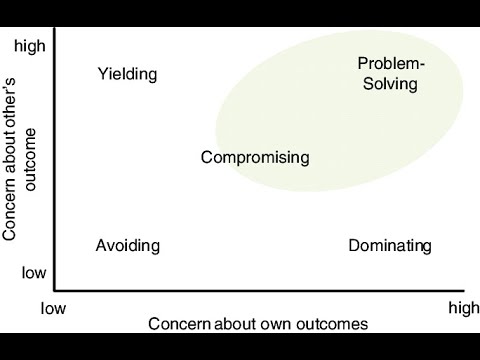
The dual concern model, developed by Robert Blake and Jane Mouton, is a framework used to understand conflict resolution and interpersonal relationships. It proposes that individuals have two primary concerns: concern for oneself and concern for others. The model identifies five different modes of conflict resolution, including competing, collaborating, compromising, avoiding, and accommodating. Each mode is characterized by a different level of concern for oneself and others. For instance, competing is high in concern for oneself and low in concern for others, while collaborating is high in concern for both oneself and others. The dual concern model has been widely used in fields such as business, education, and counseling to improve communication and resolve conflicts. With a vibe rating of 8, this model has been influential in shaping our understanding of interpersonal relationships and conflict resolution. However, critics argue that the model oversimplifies the complexity of human relationships and neglects the role of power dynamics. As of 2023, the dual concern model remains a widely used framework, with over 1,000 studies and applications in various fields. The model's influence can be seen in the work of scholars such as Morton Deutsch and Dean Pruitt, who have built upon and critiqued the model. The dual concern model has a controversy spectrum of 6, reflecting ongoing debates about its limitations and potential biases.
📈 Introduction to Dual Concern Model
The Dual Concern Model, developed by Dual Concern Model researchers, is a framework used to understand conflict resolution and negotiation strategies. This model posits that individuals' behavior in conflict situations is influenced by two primary concerns: concern for self and concern for other. The model has been widely applied in various fields, including psychology, sociology, and business. For instance, the model has been used to study organizational behavior and group dynamics. The Dual Concern Model has also been linked to other theories, such as the social exchange theory.
🤝 Understanding the Model's Components
The Dual Concern Model consists of two axes: concern for self and concern for other. These axes intersect to form four quadrants, each representing a different conflict resolution strategy. The model suggests that individuals' behavior in conflict situations is determined by their level of concern for themselves and others. This is closely related to emotional intelligence and social skills. Furthermore, the model has implications for communication and relationship management. The Dual Concern Model has been applied in various contexts, including workplace conflict and interpersonal relationships.
📊 The Role of Concern for Self and Concern for Other
The role of concern for self and concern for other in the Dual Concern Model is crucial. Concern for self refers to an individual's desire to achieve their own goals and interests, while concern for other refers to an individual's desire to maintain a positive relationship with the other party. The model suggests that individuals with high concern for self and low concern for other tend to use competitive strategies, while those with high concern for other and low concern for self tend to use cooperative strategies. This is related to attachment theory and personality theory. Additionally, the model has implications for leadership and team management. The Dual Concern Model has been used to study group decision making and negotiation strategies.
📚 Historical Development of the Model
The Dual Concern Model has a rich historical development. The model was first introduced by Morton Deutsch in the 1960s and has since been refined and expanded by other researchers. The model has been influenced by various theoretical perspectives, including social exchange theory and game theory. The Dual Concern Model has also been linked to other theories, such as the prisoner's dilemma. Additionally, the model has implications for conflict resolution training and negotiation training. The Dual Concern Model has been used to study organizational development and change management.
👥 Applications in Conflict Resolution and Negotiation
The Dual Concern Model has numerous applications in conflict resolution and negotiation. The model provides a framework for understanding the underlying motivations and concerns of parties in conflict. By identifying the level of concern for self and concern for other, individuals can develop effective conflict resolution strategies. For example, in a workplace conflict, a manager may use the Dual Concern Model to understand the concerns of both parties and develop a strategy that addresses both parties' needs. This is related to mediation and arbitration. Furthermore, the model has implications for labor relations and human resource management. The Dual Concern Model has been applied in various contexts, including community mediation and environmental conflict resolution.
🤝 Criticisms and Limitations of the Model
Despite its usefulness, the Dual Concern Model has several criticisms and limitations. One criticism is that the model oversimplifies the complexity of human conflict behavior. Additionally, the model does not account for the role of power and status in conflict resolution. Furthermore, the model has been criticized for being too individualistic and neglecting the impact of cultural and social norms on conflict resolution. This is related to critical theory and feminist theory. The Dual Concern Model has been used to study power dynamics and social justice.
📊 Empirical Evidence and Research Findings
Empirical evidence and research findings have supported the validity of the Dual Concern Model. Studies have shown that the model can predict conflict resolution strategies and outcomes. For example, a study by Dean Pruitt found that individuals with high concern for self and low concern for other tend to use competitive strategies, while those with high concern for other and low concern for self tend to use cooperative strategies. This is related to experimental design and statistical analysis. Additionally, the model has implications for research methods and data analysis. The Dual Concern Model has been used to study conflict resolution processes and negotiation outcomes.
🌐 Influence of the Dual Concern Model on Other Theories
The Dual Concern Model has influenced other theories and models in the field of conflict resolution and negotiation. For example, the model has been used to develop the dual process model of conflict resolution. Additionally, the model has been linked to other theories, such as the social identity theory. The Dual Concern Model has also been used to study group cohesion and team effectiveness. Furthermore, the model has implications for organizational behavior and management. The Dual Concern Model has been applied in various contexts, including international relations and global governance.
📝 Future Directions and Potential Extensions
Future directions and potential extensions of the Dual Concern Model include the development of new conflict resolution strategies and the application of the model to new contexts. For example, the model could be used to study conflict resolution in virtual teams or to develop new strategies for cross-cultural negotiation. Additionally, the model could be used to study the role of emotional intelligence and social skills in conflict resolution. This is related to artificial intelligence and machine learning. The Dual Concern Model has been used to study human-computer interaction and human-robot interaction.
📊 Case Studies and Real-World Applications
Case studies and real-world applications of the Dual Concern Model have demonstrated its effectiveness in conflict resolution and negotiation. For example, a study by Jeanne Brett found that the model could be used to improve conflict resolution outcomes in a workplace setting. Additionally, the model has been used to study conflict resolution in international conflict and environmental dispute resolution. The Dual Concern Model has been applied in various contexts, including community dispute resolution and public policy. Furthermore, the model has implications for global leadership and international management.
Key Facts
- Year
- 1964
- Origin
- Robert Blake and Jane Mouton
- Category
- Psychology, Sociology
- Type
- Psychological Model
Frequently Asked Questions
What is the Dual Concern Model?
The Dual Concern Model is a framework used to understand conflict resolution and negotiation strategies. The model posits that individuals' behavior in conflict situations is influenced by two primary concerns: concern for self and concern for other. The model has been widely applied in various fields, including psychology, sociology, and business.
What are the components of the Dual Concern Model?
The Dual Concern Model consists of two axes: concern for self and concern for other. These axes intersect to form four quadrants, each representing a different conflict resolution strategy. The model suggests that individuals' behavior in conflict situations is determined by their level of concern for themselves and others.
What are the cultural and social implications of the Dual Concern Model?
The Dual Concern Model has significant cultural and social implications. The model suggests that cultural and social norms can influence individuals' conflict resolution strategies. For example, in collectivist cultures, individuals may prioritize concern for other over concern for self, while in individualist cultures, individuals may prioritize concern for self over concern for other.
What are the limitations of the Dual Concern Model?
Despite its usefulness, the Dual Concern Model has several criticisms and limitations. One criticism is that the model oversimplifies the complexity of human conflict behavior. Additionally, the model does not account for the role of power and status in conflict resolution. Furthermore, the model has been criticized for being too individualistic and neglecting the impact of cultural and social norms on conflict resolution.
What are the future directions and potential extensions of the Dual Concern Model?
Future directions and potential extensions of the Dual Concern Model include the development of new conflict resolution strategies and the application of the model to new contexts. For example, the model could be used to study conflict resolution in virtual teams or to develop new strategies for cross-cultural negotiation.
What are the case studies and real-world applications of the Dual Concern Model?
Case studies and real-world applications of the Dual Concern Model have demonstrated its effectiveness in conflict resolution and negotiation. For example, a study by Jeanne Brett found that the model could be used to improve conflict resolution outcomes in a workplace setting. Additionally, the model has been used to study conflict resolution in international conflict and environmental dispute resolution.
How does the Dual Concern Model relate to other theories and models?
The Dual Concern Model has influenced other theories and models in the field of conflict resolution and negotiation. For example, the model has been used to develop the dual process model of conflict resolution. Additionally, the model has been linked to other theories, such as the social identity theory.