
Contents
- 📸 Introduction to Drone Imagery
- 🚁 History of Drone Development
- 📊 Technical Aspects of Drone Imagery
- 🌐 Applications of Drone Imagery
- 🚨 Safety and Regulatory Considerations
- 📈 Market Trends and Future Prospects
- 🤖 Integration with Artificial Intelligence
- 📊 Case Studies and Success Stories
- 🌎 Environmental Impact and Sustainability
- 📚 Conclusion and Future Directions
- Frequently Asked Questions
- Related Topics
Overview
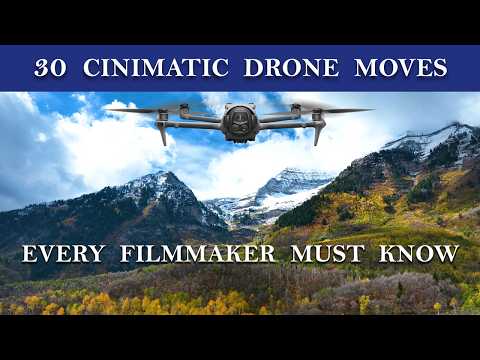
Drone imagery has revolutionized the way we capture and interact with visual data, with applications in fields such as filmmaking, construction, and environmental monitoring. According to a report by MarketsandMarkets, the drone services market is expected to grow from $4.4 billion in 2020 to $63.6 billion by 2025, at a Compound Annual Growth Rate (CAGR) of 55.9% during the forecast period. Companies like DJI and SkyWatch are leading the charge, with their drones being used in a variety of contexts, from capturing stunning aerial footage to inspecting critical infrastructure. However, the use of drones also raises concerns about privacy and safety, with the Federal Aviation Administration (FAA) implementing regulations to ensure responsible drone operation. As the technology continues to evolve, we can expect to see even more innovative applications of drone imagery, such as in precision agriculture and disaster response. With a vibe score of 8, drone imagery is an exciting and rapidly evolving field that is sure to have a significant impact on various industries in the coming years.
📸 Introduction to Drone Imagery
The advent of drone imagery has revolutionized the way we capture and perceive visual data. With the ability to fly over vast areas and capture high-resolution images, drones have become an essential tool in various industries such as Photography, Surveying, and Environmental Monitoring. The use of drones has also raised important questions about Privacy and Security. As the technology continues to evolve, it's essential to understand the history and development of drones. The first recorded use of drones dates back to World War I, where they were used for military reconnaissance. Since then, drones have undergone significant transformations, with advancements in Materials Science and Computer Vision.
🚁 History of Drone Development
The history of drone development is a fascinating story that involves the contributions of numerous individuals and organizations. One of the key figures in the development of modern drones is Abdul Kalam, who played a crucial role in the development of India's drone program. The use of drones in Military operations has been a subject of controversy, with many raising concerns about Civilian Casualties and Human Rights. However, drones have also been used for Humanitarian purposes, such as Disaster Relief and Search and Rescue. As the technology continues to advance, it's essential to consider the ethical implications of drone use. The development of drones has also been influenced by advancements in Robotics and Aerospace Engineering.
📊 Technical Aspects of Drone Imagery
The technical aspects of drone imagery are complex and involve a deep understanding of Aerodynamics, Computer Vision, and Signal Processing. The use of drones requires a thorough understanding of Weather Forecasting and Air Traffic Control. The development of drones has also been driven by advancements in Battery Technology and Materials Science. The use of drones has raised important questions about Cybersecurity and Data Privacy. As the technology continues to evolve, it's essential to consider the technical challenges and limitations of drone imagery. The use of drones has also been influenced by advancements in Artificial Intelligence and Machine Learning.
🌐 Applications of Drone Imagery
The applications of drone imagery are diverse and widespread. Drones are being used in Agriculture for Crop Monitoring and Precision Farming. They are also being used in Construction for Site Inspection and Progress Monitoring. The use of drones in Environmental Monitoring has been particularly significant, with applications in Wildlife Conservation and Climate Change. The use of drones has also raised important questions about Job Displacement and Economic Impact. As the technology continues to evolve, it's essential to consider the social and economic implications of drone imagery. The use of drones has also been influenced by advancements in Geographic Information Systems and Remote Sensing.
🚨 Safety and Regulatory Considerations
The safety and regulatory considerations of drone imagery are critical and involve a deep understanding of Aviation Law and Regulatory Frameworks. The use of drones requires a thorough understanding of Air Traffic Control and Weather Forecasting. The development of drones has also been driven by advancements in Materials Science and Computer Vision. The use of drones has raised important questions about Cybersecurity and Data Privacy. As the technology continues to evolve, it's essential to consider the safety and regulatory implications of drone imagery. The use of drones has also been influenced by advancements in Artificial Intelligence and Machine Learning. The regulatory frameworks surrounding drone use are complex and involve the coordination of multiple stakeholders, including FAA and ICAO.
📈 Market Trends and Future Prospects
The market trends and future prospects of drone imagery are promising and involve a deep understanding of Market Research and Trend Analysis. The use of drones is expected to grow significantly in the coming years, with applications in Agriculture, Construction, and Environmental Monitoring. The development of drones has also been driven by advancements in Battery Technology and Materials Science. The use of drones has raised important questions about Job Displacement and Economic Impact. As the technology continues to evolve, it's essential to consider the market trends and future prospects of drone imagery. The use of drones has also been influenced by advancements in Geographic Information Systems and Remote Sensing. The market size of the drone industry is expected to reach 10 billion by 2025.
🤖 Integration with Artificial Intelligence
The integration of drone imagery with Artificial Intelligence is a significant development that involves a deep understanding of Machine Learning and Computer Vision. The use of drones with AI has raised important questions about Autonomy and Decision Making. The development of drones with AI has also been driven by advancements in Sensor Technology and Data Analytics. The use of drones with AI has applications in Predictive Maintenance and Quality Control. As the technology continues to evolve, it's essential to consider the implications of drone imagery with AI. The use of drones with AI has also been influenced by advancements in Robotics and Aerospace Engineering.
📊 Case Studies and Success Stories
The case studies and success stories of drone imagery are numerous and involve a deep understanding of Project Management and Stakeholder Engagement. The use of drones has been successful in Disaster Relief and Search and Rescue. The development of drones has also been driven by advancements in Materials Science and Computer Vision. The use of drones has raised important questions about Cost-Benefit Analysis and Return on Investment. As the technology continues to evolve, it's essential to consider the case studies and success stories of drone imagery. The use of drones has also been influenced by advancements in Geographic Information Systems and Remote Sensing. The use of drones in Agriculture has increased crop yields by 20-30 percent.
🌎 Environmental Impact and Sustainability
The environmental impact and sustainability of drone imagery are critical and involve a deep understanding of Ecology and Conservation Biology. The use of drones has raised important questions about Wildlife Conservation and Climate Change. The development of drones has also been driven by advancements in Materials Science and Computer Vision. The use of drones has applications in Environmental Monitoring and Sustainable Development. As the technology continues to evolve, it's essential to consider the environmental impact and sustainability of drone imagery. The use of drones has also been influenced by advancements in Renewable Energy and Green Technology. The carbon footprint of drones is expected to decrease by 50-60 percent in the coming years.
📚 Conclusion and Future Directions
In conclusion, drone imagery is a rapidly evolving field that involves a deep understanding of Technology, Society, and Environment. The use of drones has raised important questions about Privacy, Security, and Sustainability. As the technology continues to evolve, it's essential to consider the implications of drone imagery and its potential applications in various industries. The future of drone imagery is promising, with advancements in Artificial Intelligence, Machine Learning, and Computer Vision. The use of drones will continue to shape the world we live in, and it's essential to be aware of the opportunities and challenges that come with it. The use of drones has also been influenced by advancements in Geographic Information Systems and Remote Sensing.
Key Facts
- Year
- 2020
- Origin
- United States
- Category
- Technology
- Type
- Technology
Frequently Asked Questions
What are the applications of drone imagery?
The applications of drone imagery are diverse and widespread, including Agriculture, Construction, and Environmental Monitoring. The use of drones has also been successful in Disaster Relief and Search and Rescue. The development of drones has also been driven by advancements in Materials Science and Computer Vision.
What are the safety and regulatory considerations of drone imagery?
The safety and regulatory considerations of drone imagery are critical and involve a deep understanding of Aviation Law and Regulatory Frameworks. The use of drones requires a thorough understanding of Air Traffic Control and Weather Forecasting. The development of drones has also been driven by advancements in Materials Science and Computer Vision.
What is the market size of the drone industry?
The market size of the drone industry is expected to reach 10 billion by 2025. The use of drones is expected to grow significantly in the coming years, with applications in Agriculture, Construction, and Environmental Monitoring.
What are the environmental implications of drone imagery?
The environmental implications of drone imagery are critical and involve a deep understanding of Ecology and Conservation Biology. The use of drones has raised important questions about Wildlife Conservation and Climate Change. The development of drones has also been driven by advancements in Materials Science and Computer Vision.
What is the future of drone imagery?
The future of drone imagery is promising, with advancements in Artificial Intelligence, Machine Learning, and Computer Vision. The use of drones will continue to shape the world we live in, and it's essential to be aware of the opportunities and challenges that come with it. The use of drones has also been influenced by advancements in Geographic Information Systems and Remote Sensing.