
Contents
Overview
A diaspora community refers to a population group that has dispersed from their original homeland to multiple locations worldwide, yet maintains a collective identity and connection to their ancestral roots. This dispersion can stem from voluntary migration, such as for economic opportunity or education, or from forced displacement due to conflict, persecution, or natural disaster. Key characteristics include a shared sense of history, cultural practices, and often a desire to preserve their heritage while navigating new societal contexts. The concept, originating with the ancient Jewish exile, now encompasses diverse groups like the African diaspora, Armenians, overseas Chinese, and Palestinians. These communities often foster transnational relationships, influencing both their host societies and their homelands, and are studied through fields like diaspora studies and transnationalism.
🎵 Origins & History
The term 'diaspora' itself, derived from the ancient Greek διασπορά (diaspora), meaning 'dispersion,' was first widely applied to the Jewish people. Over centuries, the term expanded to describe other significant dispersals, including the African diaspora, the Armenian diaspora, the overseas Chinese, and the Palestinian diaspora. These highlight the persistent relevance of displacement in shaping global populations.
⚙️ How It Works
Diaspora communities function through maintaining cultural continuity and adapting to new environments. This involves the transmission of traditions, languages, and religious practices across generations, often facilitated by community organizations, religious institutions, and cultural festivals. Transnationalism is a key operational mechanism, where members actively engage with their homeland through remittances, political advocacy, and media consumption, creating a 'sense of homeland' that transcends physical borders. Social networks, both formal and informal, are crucial for mutual support, economic cooperation, and the preservation of collective memory. The digital age has further amplified these connections, enabling instant communication and the formation of virtual communities that bridge geographical distances, as seen with platforms like WhatsApp and Facebook groups for specific ethnic or national groups.
📊 Key Facts & Numbers
Globally, diaspora populations represent a significant demographic force. These figures underscore the scale of global displacement and the enduring nature of diasporic connections.
👥 Key People & Organizations
Key figures and organizations are instrumental in shaping and sustaining diaspora communities. For the Jewish diaspora, organizations such as the Jewish Agency for Israel have played pivotal roles in fostering connection and facilitating aliyah. In the African diaspora, organizations like the Universal Negro Improvement Association promoted Pan-Africanism and Black consciousness. For the overseas Chinese, influential business magnates and community leaders, often operating through chambers of commerce and cultural associations, have been central. The Palestinian diaspora is represented by organizations like the Palestine Liberation Organization (PLO) and numerous cultural and advocacy groups worldwide that lobby governments and preserve Palestinian identity. Academic institutions, such as the Center for Migration Studies and various university departments specializing in diaspora studies, also play a crucial role in documenting and analyzing these communities.
🌍 Cultural Impact & Influence
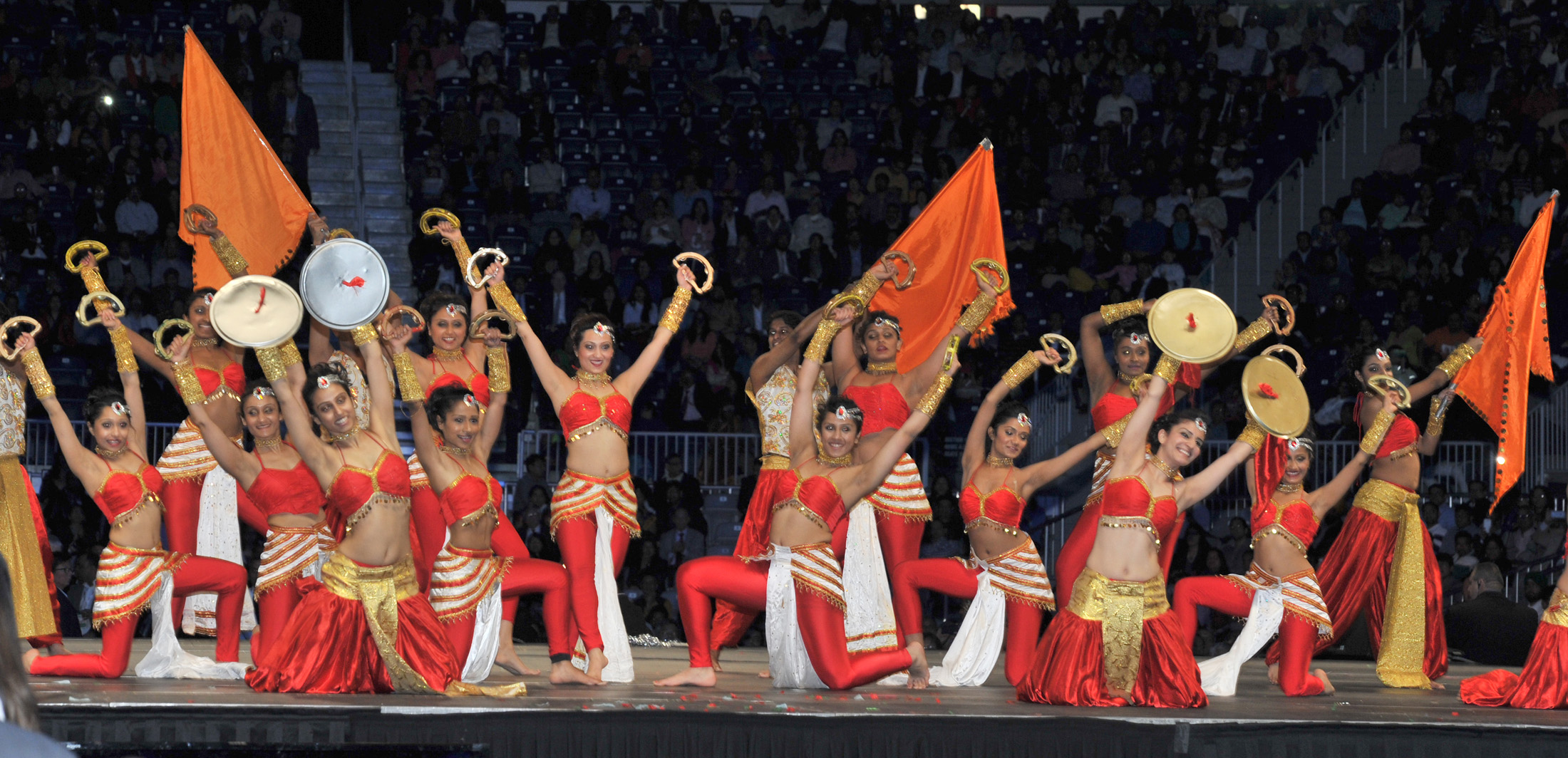
Diaspora communities have profoundly influenced global culture, politics, and economics. The music, cuisine, and art of diasporic groups have enriched host societies, leading to phenomena like the global spread of reggae from the Jamaican diaspora or the ubiquity of Chinese cuisine worldwide. Politically, diasporas can act as powerful lobbying forces, influencing foreign policy towards their homelands, as seen with the Cuban diaspora in the United States. Furthermore, diasporas often serve as bridges for cultural exchange and understanding, fostering a more interconnected world, though they can also be sites of tension and identity negotiation within host societies.
⚡ Current State & Latest Developments
In the current geopolitical climate, many diaspora communities are experiencing renewed challenges and opportunities. The rise of social media platforms like TikTok and Instagram has become increasingly important for diaspora youth to connect with their heritage and with each other, sometimes creating generational divides in how identity is expressed. Simultaneously, many established diasporas are grappling with issues of assimilation versus cultural preservation, particularly as second and third generations navigate complex identities. The political engagement of diasporas is also evolving, with increased focus on digital activism and transnational advocacy networks, as exemplified by the Armenian diaspora's efforts in advocating for recognition of the Nagorno-Karabakh conflict.
🤔 Controversies & Debates
The concept and existence of diaspora communities are not without controversy. Critics sometimes question the loyalty of diaspora members to their host nations, particularly during times of geopolitical tension between the host country and the homeland. Debates arise over the extent to which diasporas should engage in the politics of their homelands, with some arguing it can be interference, while others see it as a legitimate right. The preservation of cultural practices can also lead to friction, especially when certain traditions clash with the norms of the host society. Furthermore, the very definition of 'diaspora' is debated; some scholars argue for a stricter definition tied to forced displacement, while others adopt a broader view encompassing all forms of transnational connection, a point of contention in diaspora studies circles.
🔮 Future Outlook & Predictions
The future of diaspora communities will likely be shaped by increasing globalization, technological advancements, and evolving geopolitical landscapes. Climate change is predicted to become a significant driver of future displacement, potentially creating new and larger diaspora populations. Digital technologies will continue to play a crucial role in maintaining transnational ties, possibly leading to more fluid and less geographically bound forms of diasporic identity. There's also a growing trend of 'return migration' or 're-migration,' where individuals or families move back to their ancestral homelands, sometimes bringing new skills and perspectives. The political influence of diasporas is also expected to grow, as they leverage digital tools and transnational networks to advocate for their interests on a global scale, potentially reshaping international relations and humanitarian aid efforts.
💡 Practical Applications
Diaspora communities have numerous practical applications and implications. They serv
Key Facts
- Category
- culture
- Type
- topic