
Contents
Overview
The Des Plaines River has a rich history dating back to the 1600s, when French explorers and missionaries, such as Jacques Marquette and Louis Jolliet, arrived in the region. The local Native American tribes, including the Potawatomi and Ottawa, used the river as a transportation route and portage, and showed the early European explorers how to traverse the waterways of the Des Plaines watershed to travel from Lake Michigan to the Mississippi River and its valley. The river was named La Rivière des Plaines (River of the Plains) by the French, and has since played a vital role in the region's ecosystem and economy, with organizations like the US Geological Survey and the Illinois Department of Natural Resources working to protect and manage the river's resources.
🚣 How It Works
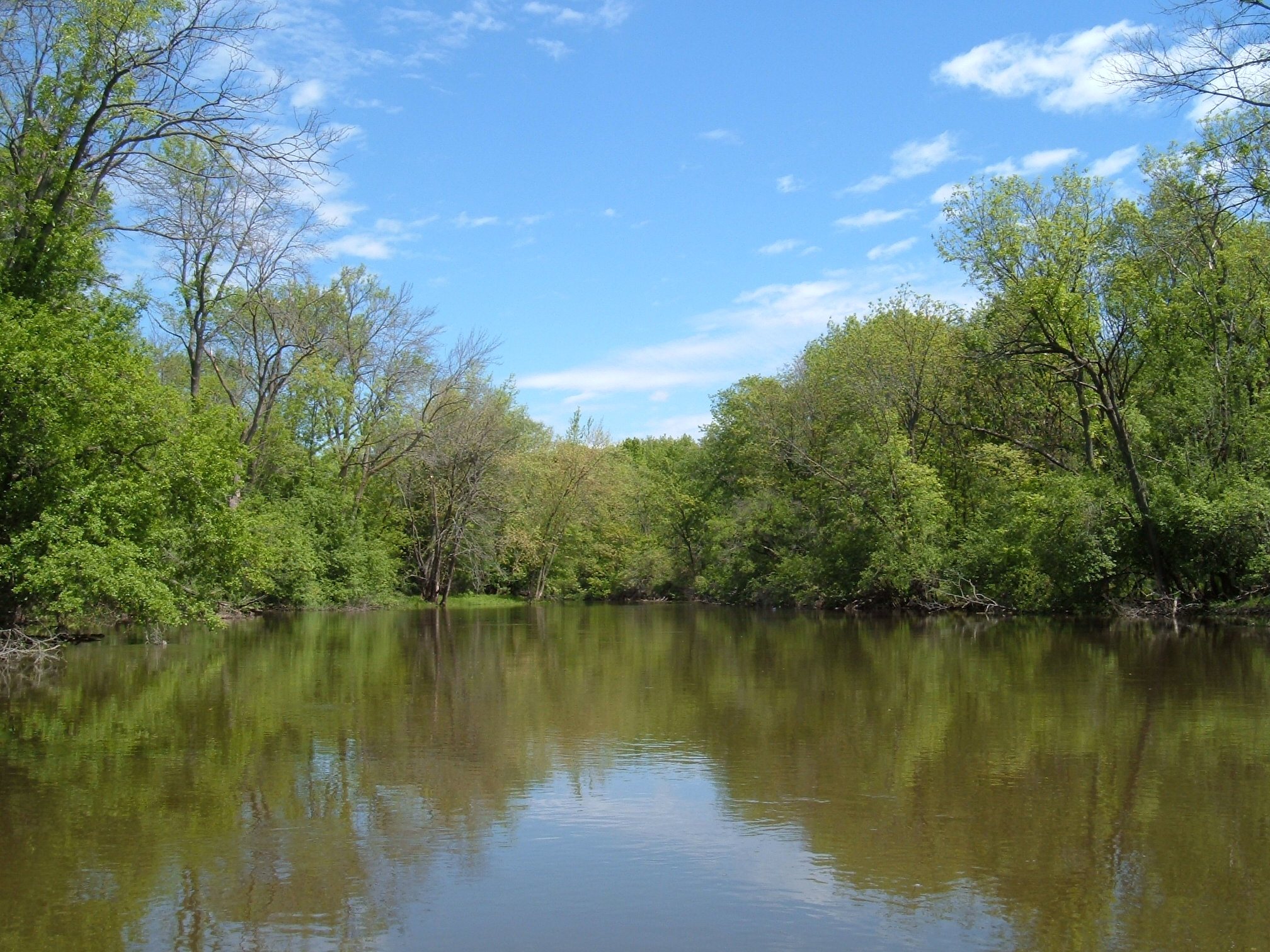
The Des Plaines River flows southward for 133 miles (214 km) through southern Wisconsin and northern Illinois, eventually meeting the Kankakee River west of Channahon to form the Illinois River, a tributary of the Mississippi River. The river is now part of the Illinois Waterway and the Chicago Area Waterway System, which includes the Chicago Sanitary and Ship Canal and the Calumet River. This system has significant implications for Chicago's water management and [[illinois|Illinois'] environmental policies, with organizations like the Chicago Park District and the Illinois Environmental Protection Agency working to protect the river and its surrounding ecosystems.
🌍 Cultural Impact
The Des Plaines River has had a profound cultural impact on the region, with many communities and cities, including Joliet and Lockport, developing along its banks. The river has also been the subject of numerous artistic and literary works, including those by Mark Twain and Theodore Dreiser. Today, the river is a popular destination for outdoor recreation, including fishing, boating, and hiking, with organizations like the Illinois Parks and Recreation and the US Fish and Wildlife Service working to protect and preserve the river's natural resources.
🔮 Legacy & Future
The Des Plaines River continues to play a vital role in the region's ecosystem and economy, with efforts underway to protect and restore the river's natural habitats and improve water quality. Organizations like the Des Plaines River Watershed and the Illinois River Valley are working to promote sustainable development and environmental stewardship, with initiatives like the Illinois River Road and the Chicago River Day helping to raise awareness and support for the river's conservation. As the region continues to grow and develop, the Des Plaines River will remain an important part of its natural and cultural heritage, with implications for the Midwest region and the United States as a whole.
Key Facts
- Year
- 1600s
- Origin
- Southern Wisconsin
- Category
- nature
- Type
- place
Frequently Asked Questions
What is the length of the Des Plaines River?
The Des Plaines River is approximately 133 miles (214 km) long, stretching from southern Wisconsin to northern Illinois, and is a vital part of the Illinois Waterway and the Chicago Area Waterway System. The river's length and course have been shaped by the region's geological history, including the Last Glacial Maximum, and have been influenced by human activities, such as the construction of the Chicago Sanitary and Ship Canal.
What is the cultural significance of the Des Plaines River?
The Des Plaines River has a rich cultural and historical significance, with many communities and cities developing along its banks, including Joliet and Lockport. The river has also been the subject of numerous artistic and literary works, including those by Mark Twain and Theodore Dreiser, and has been influenced by the region's diverse cultural heritage, including the Potawatomi and Ottawa Native American tribes.
What is the current state of the Des Plaines River's ecosystem?
The Des Plaines River's ecosystem is currently facing several challenges, including pollution, habitat destruction, and climate change, which are being addressed by organizations like the US Geological Survey and the Illinois Department of Natural Resources. Efforts are underway to protect and restore the river's natural habitats and improve water quality, including initiatives like the Des Plaines River Watershed and the Illinois River Valley.
How does the Des Plaines River impact the regional economy?
The Des Plaines River plays a vital role in the regional economy, with many industries, including shipping, fishing, and tourism, relying on the river, and is a key component of the Illinois Waterway and the Chicago Area Waterway System. The river also supports a diverse range of wildlife, including fish and birds, and is an important part of the region's natural heritage, with implications for the Midwest region and the United States as a whole.
What are some popular activities to do on the Des Plaines River?
The Des Plaines River is a popular destination for outdoor recreation, including fishing, boating, and hiking, with many parks and nature reserves along its banks, including Channahon State Park and Des Plaines State Park. The river is also home to several annual events, including the Des Plaines River Festival and the Illinois River Road festival, which celebrate the river's natural beauty and cultural significance.