
Contents
Overview
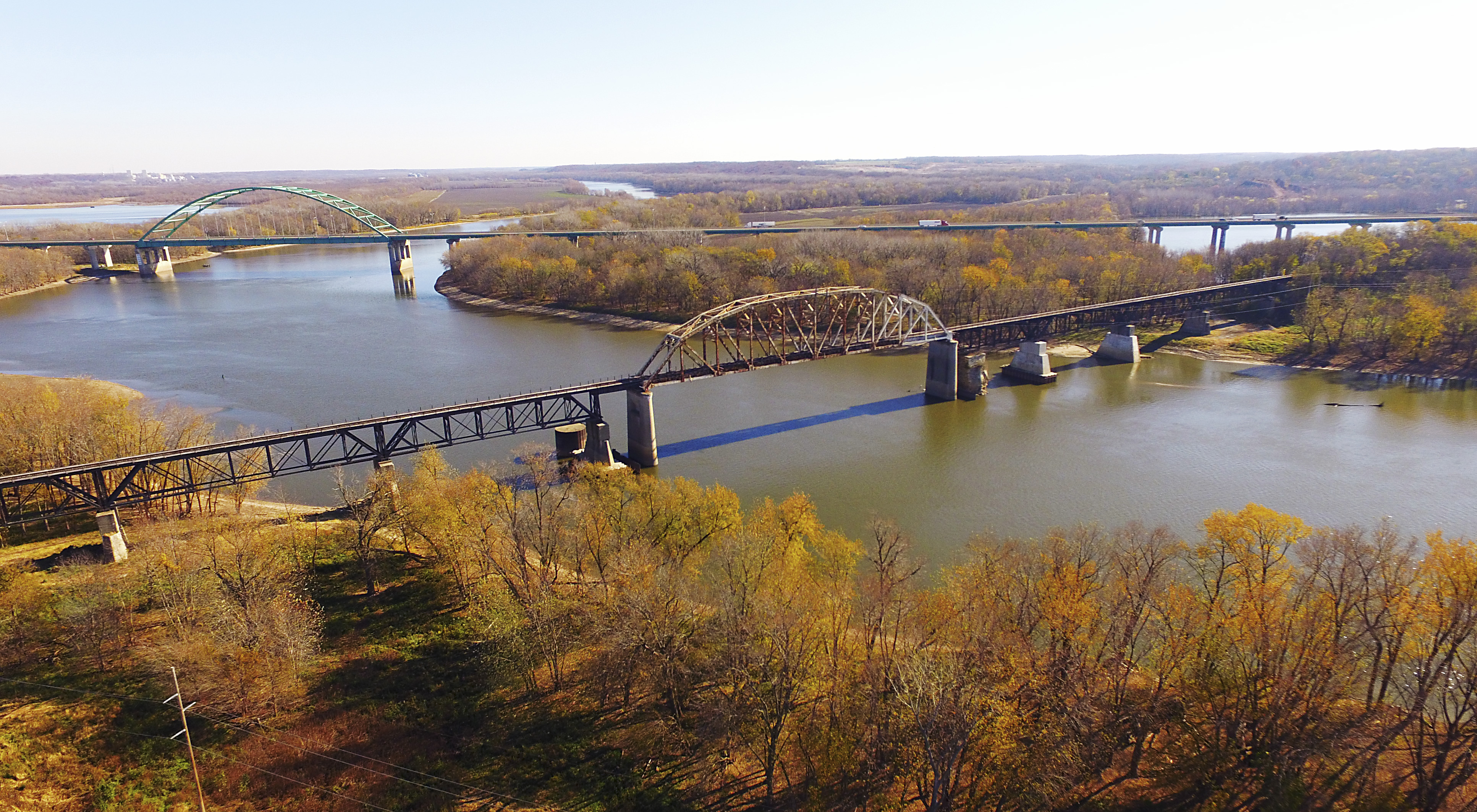
The Illinois River begins with the confluence of the Des Plaines River and Kankakee River in the Chicago metropolitan area, and flows southwest across Illinois, emptying into the Mississippi River near Grafton, Illinois. The river's drainage basin extends into southeastern Wisconsin, northwestern Indiana, and a small area of southwestern Michigan, in addition to central Illinois. The Illinois River has been an important water route for Native American tribes, including the Miami-Illinois people, who called the river 'Inoka Siipiiwi'.
🏞️ Cultural Impact & Recreation
The Illinois River has a rich cultural heritage, with a history of human settlement dating back thousands of years. The river was an important route for early European explorers, including Jacques Marquette and Louis Jolliet, who traveled up the river in the 17th century. Today, the river is home to a variety of historic sites, including the Illinois and Michigan Canal, which was built in the 19th century to connect the Great Lakes to the Mississippi River. The river also supports a diverse range of wildlife, including American bald eagles and lake sturgeon, and is an important stopover for migratory birds, such as the Canada goose.
🌟 Conservation & Future
Conservation efforts are underway to protect the Illinois River's ecosystem and water quality, with organizations like the Nature Conservancy and the Illinois Department of Natural Resources working to restore habitats and reduce pollution. The river's future is closely tied to the health of the Mississippi River and the Great Lakes, with efforts to address issues like invasive species and climate change being critical to the long-term sustainability of the region's ecosystem. As the Illinois River continues to play a vital role in the region's economy and culture, it is essential to balance human activities with the need to protect and preserve this important natural resource for future generations.
Key Facts
- Year
- 1673
- Origin
- Illinois, United States
- Category
- nature
- Type
- place
Frequently Asked Questions
What is the length of the Illinois River?
The Illinois River is approximately 273 miles (439 km) long, stretching from the confluence of the Des Plaines and Kankakee rivers in the Chicago metropolitan area to its mouth at the Mississippi River near Grafton, Illinois. The river's drainage basin covers an area of 28,756.6 square miles (74,479 km2), including parts of Illinois, Wisconsin, Indiana, and Michigan. According to the US Geological Survey, the river's average discharge is around 24,000 cubic feet per second.
What are the main uses of the Illinois River?
The Illinois River is used for a variety of purposes, including navigation, recreation, and industrial activities. The river is an important transportation route for goods, with several river ports, including the largest, Peoria, Illinois. The city of Peoria is home to major industries such as Caterpillar Inc. and Peabody Energy, which rely on the river for transportation and other purposes. Additionally, the river supports a diverse range of recreational activities, including fishing, boating, and birdwatching, with popular spots like Starved Rock State Park and the Emiquon Complex.
What are the main conservation concerns for the Illinois River?
The Illinois River faces several conservation concerns, including pollution, habitat destruction, and invasive species. The river's water quality is affected by agricultural runoff, industrial waste, and sewage, which can harm aquatic life and human health. According to the Environmental Protection Agency, the river is listed as impaired due to excess nutrients, bacteria, and other pollutants. Efforts to restore habitats and reduce pollution are underway, with organizations like the Nature Conservancy and the Illinois Department of Natural Resources working to protect the river's ecosystem and water quality.
What is the cultural significance of the Illinois River?
The Illinois River has a rich cultural heritage, with a history of human settlement dating back thousands of years. The river was an important route for early European explorers, including Jacques Marquette and Louis Jolliet, who traveled up the river in the 17th century. Today, the river is home to a variety of historic sites, including the Illinois and Michigan Canal, which was built in the 19th century to connect the Great Lakes to the Mississippi River. The river also supports a diverse range of wildlife, including American bald eagles and lake sturgeon, and is an important stopover for migratory birds, such as the Canada goose.
How does the Illinois River impact the regional economy?
The Illinois River plays a vital role in the regional economy, supporting a diverse range of industries, including agriculture, manufacturing, and tourism. The river is an important transportation route for goods, with several river ports, including the largest, Peoria, Illinois. The city of Peoria is home to major industries such as Caterpillar Inc. and Peabody Energy, which rely on the river for transportation and other purposes. Additionally, the river supports a diverse range of recreational activities, including fishing, boating, and birdwatching, with popular spots like Starved Rock State Park and the Emiquon Complex. According to the US Army Corps of Engineers, the river generates over $1 billion in economic activity each year.