
Contents
- 🎵 Life and Career
- ⚰️ Death and Legacy
- 📊 Key Works and Compositions
- 👥 Influences and Collaborations
- 🌍 Cultural Impact and Influence
- ⚡ Current State and Latest Developments
- 🤔 Controversies and Debates
- 🔮 Future Outlook and Predictions
- 💡 Practical Applications and Performances
- 📚 Related Topics and Deeper Reading
- Frequently Asked Questions
- References
- Related Topics
Overview
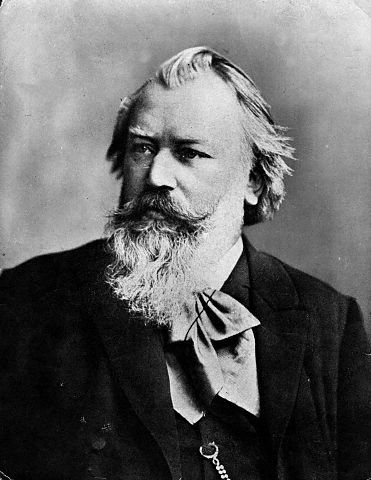
Johannes Brahms, a renowned German composer, pianist, and conductor of the mid-Romantic period, passed away on 3 April 1897, leaving behind a legacy of iconic musical compositions. Born on 7 May 1833 in Hamburg, Brahms' life was marked by his contributions to the world of music, including four symphonies, four concertos, and hundreds of folk-song arrangements. His death was a significant loss to the musical community, with tributes pouring in from fellow composers and musicians, including Franz Liszt and Clara Schumann. Brahms' music is still widely performed and admired today, with his Requiem and chamber music being particularly notable. As we reflect on his life and death, we are reminded of the profound impact he had on the development of classical music, and his influence can be seen in the works of later composers, such as Gustav Mahler and Richard Strauss. With a career spanning over four decades, Brahms' compositions continue to inspire and influence musicians around the world, including those associated with the Vienna Philharmonic and the Berlin Philharmonic.
🎵 Life and Career
Johannes Brahms was born on 7 May 1833 in Hamburg, Germany, to a musical family. His father, Johann Jakob Brahms, was a double bassist, and his mother, Johanna Henrika Christiane Nissen, was a seamstress. Brahms began composing and concertizing locally in his youth, and later toured Central Europe as a pianist, premiering many of his own works and meeting Franz Liszt in Weimar. He worked with Ede Reményi and Joseph Joachim, seeking Robert Schumann's approval through Joachim.
⚰️ Death and Legacy
Brahms' death on 3 April 1897 was a significant loss to the musical community. He had been suffering from health problems for several years prior to his death, including liver disease and heart problems. Despite his poor health, Brahms continued to compose music until the end of his life, leaving behind a legacy of iconic works. His funeral was attended by many notable figures, including Gustav Mahler and Hugo Wolf.
📊 Key Works and Compositions
Brahms' key works include four symphonies, four concertos, a Requiem, and hundreds of folk-song arrangements and Lieder. His music is noted for its rhythmic vitality and freer treatment of dissonance, often set within studied yet expressive contrapuntal textures. He adapted the traditional structures and techniques of a wide historical range of earlier composers, including Johann Sebastian Bach and Ludwig van Beethoven.
👥 Influences and Collaborations
Brahms was influenced by many notable composers and musicians, including Robert Schumann and Franz Liszt. He also collaborated with several musicians, including Joseph Joachim and Clara Schumann. Brahms' music has had a profound impact on the development of classical music, and his influence can be seen in the works of later composers, such as Gustav Mahler and Richard Strauss.
🌍 Cultural Impact and Influence
Brahms' cultural impact and influence extend far beyond the musical community. His music has been used in numerous films, television shows, and commercials, and has been performed by countless musicians around the world. He is widely regarded as one of the most important composers of the mid-Romantic period, and his legacy continues to inspire and influence musicians today. The Vienna Philharmonic and the Berlin Philharmonic are just two examples of the many orchestras that have performed Brahms' music.
⚡ Current State and Latest Developments
Today, Brahms' music remains widely performed and admired. His Requiem and chamber music are particularly notable, and his symphonies continue to be performed by orchestras around the world. The BBC Philharmonic and the New York Philharmonic are just two examples of the many orchestras that have performed Brahms' music in recent years.
🤔 Controversies and Debates
Despite his significant contributions to the world of music, Brahms' life and death were not without controversy. He was known to be a perfectionist, and his music was often criticized for being too complex and difficult to perform. However, his legacy has endured, and he is now widely regarded as one of the most important composers of the mid-Romantic period. The Music Critics Association and the International Music Council are just two examples of the many organizations that have recognized Brahms' contributions to music.
🔮 Future Outlook and Predictions
As we look to the future, it is clear that Brahms' music will continue to inspire and influence musicians around the world. His legacy is a testament to the power of music to bring people together and to transcend time and culture. The Salzburg Festival and the Bayreuth Festival are just two examples of the many music festivals that have celebrated Brahms' music in recent years.
💡 Practical Applications and Performances
Brahms' music has many practical applications and uses. His symphonies and concertos are often performed by orchestras, and his chamber music is frequently performed by smaller ensembles. His music has also been used in numerous films, television shows, and commercials, and has been arranged and adapted by countless musicians around the world. The Royal Philharmonic Orchestra and the London Symphony Orchestra are just two examples of the many orchestras that have performed Brahms' music in recent years.
Key Facts
- Year
- 1897
- Origin
- Germany
- Category
- history
- Type
- event
Frequently Asked Questions
What was the cause of Brahms' death?
Brahms died of liver disease and heart problems on 3 April 1897. He had been suffering from health problems for several years prior to his death.
What is Brahms' most famous composition?
Brahms' most famous composition is arguably his Requiem, which is a large-scale choral work that sets the text of the Latin Mass for the Dead. It is considered one of the greatest works of the Romantic era and is still widely performed today.
Who were some of Brahms' notable collaborators?
Brahms collaborated with several notable musicians, including Joseph Joachim and Clara Schumann. He also worked with Ede Reményi and Franz Liszt.
What is the significance of Brahms' music in the development of classical music?
Brahms' music is significant in the development of classical music because it represents a bridge between the Classical and Romantic periods. His compositions are characterized by their rhythmic vitality and freer treatment of dissonance, which influenced many later composers.
How has Brahms' music been used in popular culture?
Brahms' music has been used in numerous films, television shows, and commercials. His compositions have also been arranged and adapted by countless musicians around the world, and are still widely performed today.
What are some of the challenges of performing Brahms' music?
Brahms' music is known for its technical difficulty and complexity, which can make it challenging to perform. His compositions often require a high level of technical skill and musicality, and can be demanding for both musicians and audiences.
How has Brahms' legacy endured over time?
Brahms' legacy has endured over time due to the timeless quality of his music. His compositions continue to be widely performed and admired, and his influence can be seen in the works of many later composers. He is widely regarded as one of the most important composers of the mid-Romantic period.