
Contents
- 🏢 Overview: Africa's Industrial Behemoth
- 📍 Headquarters & Global Footprint
- 💰 Business Segments & Key Holdings
- 📈 Financial Performance & Market Impact
- 🏆 Awards & Recognition
- 🌍 Corporate Social Responsibility (CSR)
- 🤔 Controversies & Criticisms
- 🚀 Future Outlook & Expansion Plans
- 💡 Key People & Leadership
- 🤝 Doing Business with Dangote
- 📚 Further Reading & Resources
- 🌟 Vibepedia Vibe Score
- Frequently Asked Questions
- Related Topics
Overview
The Dangote Group is not merely a company; it's an industrial titan shaping the economic landscape of Africa. Founded by Aliko Dangote in 1997, this privately held conglomerate has evolved from a trading firm into a diversified powerhouse with interests spanning manufacturing, agriculture, telecommunications, and energy. For anyone looking to understand the engine of modern African industry, or seeking to engage with one of its most significant players, the Dangote Group is a non-negotiable starting point. Its sheer scale and ambition make it a critical entity in discussions of African economic development and global trade.
📍 Headquarters & Global Footprint
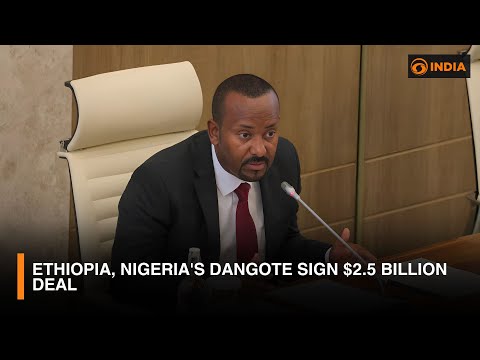
While its operational reach is vast, the Dangote Group maintains its nerve center in Lagos, Nigeria. The group's corporate headquarters are situated in the bustling commercial heart of West Africa, serving as the strategic hub for its extensive network. Beyond Nigeria, Dangote has established a significant presence across the African continent, with operations and investments in countries like Senegal, Zambia, Tanzania, and Ethiopia. This pan-African strategy underscores its commitment to regional integration and industrial self-sufficiency, making it a key player in the African Continental Free Trade Area initiative.
💰 Business Segments & Key Holdings
The group's portfolio is remarkably diverse, reflecting a strategic approach to capturing value across multiple sectors. Dominating its operations are Dangote Cement, Africa's largest cement producer, and Dangote Sugar Refinery, a leading sugar manufacturer. Other significant ventures include Dangote Oil Refining Company, one of the world's largest single-train oil refineries, and significant interests in salt, flour, pasta, and petrochemicals. This diversification provides resilience and allows the group to capitalize on various economic cycles and consumer demands across the continent.
📈 Financial Performance & Market Impact
Financially, the Dangote Group is a formidable entity. While specific consolidated financial figures are not publicly disclosed due to its private nature, its subsidiary Dangote Cement is a publicly traded giant on the Nigerian Stock Exchange, consistently ranking among the most valuable companies. The group's investments, particularly in the oil refinery and petrochemical complex, represent billions of dollars, signaling immense confidence in Nigeria's and Africa's industrial future. Its market impact is undeniable, influencing commodity prices, employment figures, and foreign direct investment trends across the continent.
🏆 Awards & Recognition
The achievements of the Dangote Group and its founder have not gone unnoticed. Aliko Dangote has been consistently recognized as Africa's wealthiest individual by Forbes for over a decade, a testament to the group's financial success. The group itself has received numerous accolades for its industrial achievements, economic contributions, and commitment to quality. These awards, often from prestigious business and governmental bodies across Africa and internationally, highlight its status as a benchmark for industrial excellence on the continent.
🤔 Controversies & Criticisms
Despite its successes, the Dangote Group has faced scrutiny. Criticisms have ranged from concerns over market dominance and potential monopolistic practices, particularly in the cement sector, to environmental impact assessments of its large-scale industrial projects. The group has also been subject to discussions regarding its relationship with government policies and regulatory frameworks in various African nations. Navigating these controversies is an ongoing aspect of its corporate narrative, reflecting the complexities of operating at such a significant scale within developing economies.
🚀 Future Outlook & Expansion Plans
The future for the Dangote Group appears poised for continued expansion and diversification. The operationalization of its massive oil refinery is a key strategic move, aiming to reduce Nigeria's reliance on imported refined petroleum products and create significant export revenue. Further investments are anticipated in petrochemicals, fertilizers, and food processing, aligning with Africa's growing demand for manufactured goods and agricultural products. The group's trajectory suggests a deepening commitment to industrial self-sufficiency and value addition across the continent.
💡 Key People & Leadership
At the helm of this industrial empire is Aliko Dangote, the visionary founder and chairman. His strategic acumen and relentless drive have been instrumental in the group's growth. Other key figures within the group's leadership structure, often seasoned professionals with deep industry experience, play vital roles in managing its diverse operations and driving its strategic initiatives. Understanding the leadership is key to grasping the group's operational philosophy and future direction.
🤝 Doing Business with Dangote
Engaging with the Dangote Group as a business partner, supplier, or investor requires a clear understanding of its operational scale and strategic priorities. The group typically engages in large-scale procurement and partnership opportunities, often through formal tender processes or strategic alliances. For potential suppliers, demonstrating reliability, quality, and competitive pricing is paramount. Investors looking to participate in its growth should focus on its publicly listed entities like Dangote Cement or explore opportunities within its broader investment framework.
📚 Further Reading & Resources
For those seeking to understand the depth and breadth of the Dangote Group, several resources offer valuable insights. Beyond its official website, reports from financial institutions like Forbes and Bloomberg provide detailed analyses of its financial standing and market influence. Academic studies on African industrialization and economic development often feature the group as a case study. Examining the operations of its key subsidiaries, such as Dangote Cement and Dangote Sugar Refinery, offers a granular view of its business model.
🌟 Vibepedia Vibe Score
Vibepedia Vibe Score: 88/100
The Dangote Group commands an exceptionally high Vibe Score, reflecting its immense cultural and economic energy across Africa. This score is driven by its status as a symbol of African industrial ambition and self-reliance, its significant impact on daily life through essential goods, and the sheer scale of its operations, particularly the groundbreaking oil refinery. While controversies and criticisms temper the score slightly, its overall influence and forward-looking vision cement its position as a dominant force. The group represents a powerful narrative of African enterprise achieving global-scale success.
Key Facts
- Year
- 1977
- Origin
- Nigeria
- Category
- Conglomerate
- Type
- Organization
Frequently Asked Questions
What are the main business sectors of the Dangote Group?
The Dangote Group operates across a wide array of sectors, with core interests in cement manufacturing, sugar refining, and oil and gas. It also has significant ventures in food processing (flour, pasta, salt), petrochemicals, fertilizers, and telecommunications infrastructure. This diversification strategy allows the group to maintain a strong presence in essential industries across the African continent.
Is the Dangote Group a publicly traded company?
The Dangote Group is a privately held conglomerate. However, one of its key subsidiaries, Dangote Cement Plc, is publicly listed on the Nigerian Stock Exchange and the Johannesburg Stock Exchange. This allows investors to gain exposure to the group's most significant and profitable business segment.
What is the significance of the Dangote Refinery?
The Dangote Oil Refinery is one of the world's largest single-train oil refineries and represents a monumental investment in Nigeria's industrial capacity. Its primary significance lies in its potential to significantly reduce Nigeria's dependence on imported refined petroleum products, boost foreign exchange earnings through exports, and stimulate downstream industries, creating substantial economic value.
How does the Dangote Group contribute to social development in Africa?
The group contributes significantly through the Aliko Dangote Foundation, which focuses on health, education, and economic empowerment. Key initiatives include programs to eradicate diseases like polio, improve maternal and child health, provide educational scholarships, and support small and medium-sized enterprises to foster economic growth and reduce poverty across Africa.
What are some of the major criticisms leveled against the Dangote Group?
Criticisms often revolve around concerns of market dominance and potential monopolistic practices, particularly in the cement industry where Dangote Cement holds a significant market share. There have also been discussions regarding the environmental impact of its large-scale industrial projects and its relationships with regulatory bodies and governments in the countries where it operates.
What is the global reach of the Dangote Group?
While its primary focus is Africa, with operations in numerous countries across the continent, the Dangote Group's influence extends globally through its trading activities and the international recognition of its founder, Aliko Dangote. Its products are distributed widely, and its strategic investments are watched by international financial markets.