
Contents
- 🏞️ Geography and Climate
- 🏛️ History and Occupation
- 📊 Demographics and Economy
- 👥 Key People and Organizations
- 🌍 Cultural Significance and Influence
- ⚡ Current State and Latest Developments
- 🤔 Controversies and Debates
- 🔮 Future Outlook and Predictions
- 💡 Practical Applications and Tourism
- 📚 Related Topics and Deeper Reading
- Frequently Asked Questions
- References
- Related Topics
Overview
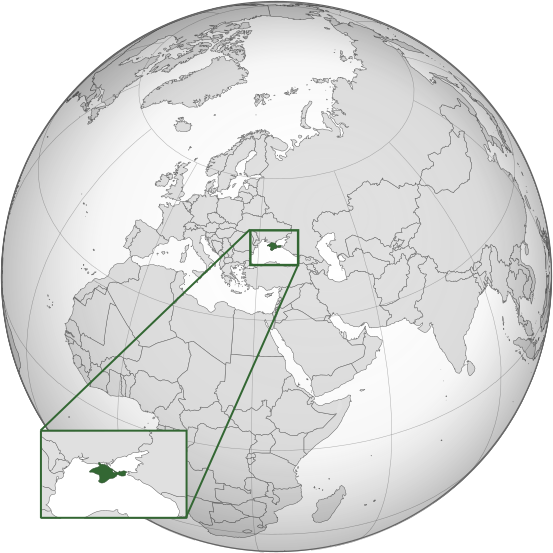
The Crimean Peninsula, located on the northern coast of the Black Sea, is a region with a complex and storied history, having been occupied by various empires and civilizations, including the ancient Greeks, Romans, and Byzantines. With a population of 2.4 million, the largest city being Sevastopol, the peninsula has been under Russian occupation since 2014, despite being internationally recognized as part of Ukraine. The region's strategic location, with the Isthmus of Perekop connecting it to mainland Ukraine and the Crimean Bridge linking it to Russia, has made it a coveted territory for centuries. The peninsula's rich cultural heritage, including its historic cities, such as Sevastopol and Yalta, and its stunning natural beauty, with the Arabat Spit and the Syvash lagoons, make it a unique and fascinating region. With a history dating back to the ancient times, the Crimean Peninsula has been influenced by various cultures, including the Scythians, Greek colonization, and the Byzantine Empire. Today, the region remains a contentious issue, with ongoing debates about its status and future, involving key players such as Ukraine, Rusia, and the international community, including organizations like the United Nations and the European Union.
🏞️ Geography and Climate
The Crimean Peninsula is a region of great natural beauty, with a diverse geography and climate. The peninsula is connected to mainland Ukraine by the Isthmus of Perekop, and the Crimean Bridge, constructed in 2018, spans the Strait of Kerch, linking the peninsula with Krasnodar Krai in Russia. The Arabat Spit, located to the northeast, is a narrow strip of land that separates the Syvash lagoons from the Sea of Azov. The region's climate is temperate, with warm summers and mild winters, making it a popular destination for tourists, who can visit historic cities like Sevastopol and Yalta, and enjoy the stunning natural beauty of the peninsula.
🏛️ History and Occupation
The history of the Crimean Peninsula is complex and multifaceted, with various empires and civilizations having occupied the region over the centuries. The ancient Greeks colonized the southern fringe of the peninsula, and the region was later absorbed by the Roman and Byzantine Empires. In the medieval period, the peninsula was occupied by the Golden Horde, and later by the Crimean Khanate. In the 18th century, the region was annexed by the Russian Empire, and it remained under Russian control until the Russian Revolution in 1917. After the revolution, the peninsula became part of the Soviet Union, and it was occupied by Germany during World War II. In 1954, the Soviet Union transferred the Crimea to Ukraine, and it remained part of Ukraine until the Russian occupation in 2014, which has been widely condemned by the international community, including the United States and the European Union.
📊 Demographics and Economy
The demographics of the Crimean Peninsula are diverse, with a population of 2.4 million people, including Ukrainians, Russians, and Crimean Tatars. The economy of the region is primarily based on tourism, with the peninsula's stunning natural beauty and rich cultural heritage making it a popular destination for visitors, who can enjoy the historic cities, such as Sevastopol and Yalta, and the stunning natural beauty of the peninsula. The region is also home to several major ports, including the port of Sevastopol, which is an important base for the Russian Navy. The economy has been affected by the Russian occupation, with many international companies, including McDonald's and Visa, having suspended their operations in the region.
👥 Key People and Organizations
Several key people and organizations have played a significant role in the history and occupation of the Crimean Peninsula. The Rusian Empire and the Soviet Union have both had a profound impact on the region, with the Soviet Union transferring the Crimea to Ukraine in 1954. The Crimean Khanate was a major power in the region during the medieval period, and the Golden Horde occupied the peninsula in the 13th century. Today, the region is occupied by Russia, with the Rusian Federation having annexed the Crimea in 2014, despite international condemnation, including from the United Nations and the European Union.
🌍 Cultural Significance and Influence
The Crimean Peninsula has a rich cultural significance and influence, with a diverse history and heritage. The region has been influenced by various cultures, including the Scythians, Greek colonization, and the Byzantine Empire. The peninsula is home to several historic cities, including Sevastopol and Yalta, which are popular tourist destinations, and the stunning natural beauty of the peninsula, with the Arabat Spit and the Syvash lagoons, make it a unique and fascinating region. The region's cultural heritage has been recognized by UNESCO, with several sites, including the Chersonesus archaeological site, being designated as World Heritage Sites, and the region has been influenced by various artists, including Anton Chekhov and Leo Tolstoy.
⚡ Current State and Latest Developments
The current state of the Crimean Peninsula is complex and contentious, with the region being occupied by Russia since 2014. The international community, including the United States and the European Union, has condemned the occupation, and several countries have imposed sanctions on Russia in response. The region's economy has been affected by the occupation, with many international companies having suspended their operations in the region. Despite the challenges, the region remains a popular tourist destination, with visitors drawn to its stunning natural beauty and rich cultural heritage, including the historic cities, such as Sevastopol and Yalta, and the stunning natural beauty of the peninsula.
🤔 Controversies and Debates
The occupation of the Crimean Peninsula by Russia is a highly contentious issue, with several countries and organizations having condemned the move. The United Nations has passed several resolutions calling for the withdrawal of Russian troops from the region, and the European Union has imposed sanctions on Russia in response to the occupation. The United States has also imposed sanctions on Russia, and has provided military aid to Ukraine, including Javelin missiles, to help the country defend itself against Russian aggression. The occupation has also had a significant impact on the region's economy, with many international companies having suspended their operations in the region, including McDonald's and Visa.
🔮 Future Outlook and Predictions
The future outlook for the Crimean Peninsula is uncertain, with several possible scenarios for the region's future. One possible scenario is that the region will remain under Russian occupation, with the Russian government continuing to exert control over the region. Another possible scenario is that the region will be returned to Ukraine, with the Ukrainian government regaining control over the peninsula. A third possible scenario is that the region will become a neutral or independent territory, with the international community recognizing its independence. The region's future will depend on the actions of several key players, including Rusia, Ukraine, and the international community, including organizations like the United Nations and the European Union.
💡 Practical Applications and Tourism
The Crimean Peninsula has several practical applications and tourist attractions, with the region's stunning natural beauty and rich cultural heritage making it a popular destination for visitors. The region is home to several historic cities, including Sevastopol and Yalta, which are popular tourist destinations, and the stunning natural beauty of the peninsula, with the Arabat Spit and the Syvash lagoons, make it a unique and fascinating region. The region is also home to several major ports, including the port of Sevastopol, which is an important base for the Russian Navy.
Key Facts
- Year
- 2014
- Origin
- Eastern Europe
- Category
- history
- Type
- place
Frequently Asked Questions
What is the current status of the Crimean Peninsula?
The Crimean Peninsula is currently under Russian occupation, despite being internationally recognized as part of Ukraine. The region has been occupied by Russia since 2014, and the international community has condemned the move. The United Nations has passed several resolutions calling for the withdrawal of Russian troops from the region, and the European Union has imposed sanctions on Russia in response to the occupation.
What is the history of the Crimean Peninsula?
The Crimean Peninsula has a complex and storied history, with various empires and civilizations having occupied the region over the centuries. The ancient Greeks colonized the southern fringe of the peninsula, and the region was later absorbed by the Roman and Byzantine Empires. In the medieval period, the peninsula was occupied by the Golden Horde, and later by the Crimean Khanate.
What are the key attractions in the Crimean Peninsula?
The Crimean Peninsula is home to several historic cities, including Sevastopol and Yalta, which are popular tourist destinations. The region is also home to several major ports, including the port of Sevastopol, which is an important base for the Russian Navy. The stunning natural beauty of the peninsula, with the Arabat Spit and the Syvash lagoons, make it a unique and fascinating region.
What is the impact of the Russian occupation on the region's economy?
The Russian occupation of the Crimean Peninsula has had a significant impact on the region's economy, with many international companies having suspended their operations in the region. The region's economy is primarily based on tourism, and the occupation has affected the region's ability to attract visitors. The United States and the European Union have imposed sanctions on Russia in response to the occupation, which has further affected the region's economy.
What is the future outlook for the Crimean Peninsula?
The future outlook for the Crimean Peninsula is uncertain, with several possible scenarios for the region's future. One possible scenario is that the region will remain under Russian occupation, with the Russian government continuing to exert control over the region. Another possible scenario is that the region will be returned to Ukraine, with the Ukrainian government regaining control over the peninsula. A third possible scenario is that the region will become a neutral or independent territory, with the international community recognizing its independence.
What are the key players involved in the Crimean Peninsula?
The key players involved in the Crimean Peninsula include Rusia, Ukraine, and the international community, including organizations like the United Nations and the European Union. The region's future will depend on the actions of these key players, with the international community playing a crucial role in determining the region's status and future.
What is the cultural significance of the Crimean Peninsula?
The Crimean Peninsula has a rich cultural significance, with a diverse history and heritage. The region has been influenced by various cultures, including the Scythians, Greek colonization, and the Byzantine Empire. The region's cultural heritage has been recognized by UNESCO, with several sites, including the Chersonesus archaeological site, being designated as World Heritage Sites.
What are the practical applications of the Crimean Peninsula?
The Crimean Peninsula has several practical applications, with the region's stunning natural beauty and rich cultural heritage making it a popular destination for visitors. The region is home to several historic cities, including Sevastopol and Yalta, which are popular tourist destinations. The region is also home to several major ports, including the port of Sevastopol, which is an important base for the Russian Navy.