
Contents
Overview
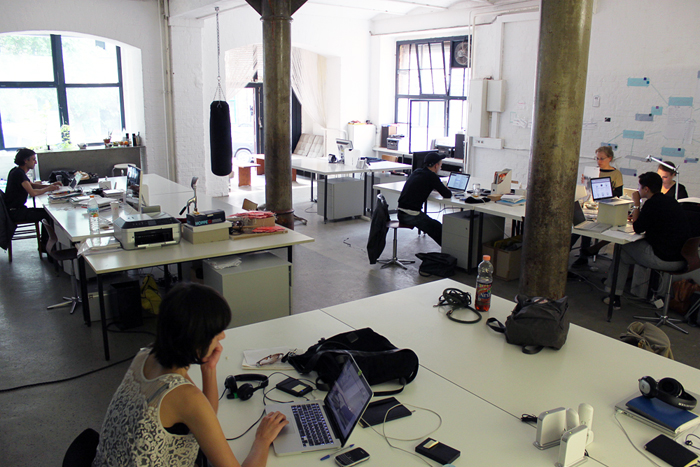
The concept of coworking and shared spaces emerged in the early 2000s, with the launch of San Francisco-based Brad Neuberg's coworking space, the Hat Factory, in 2005. This pioneering effort was followed by the establishment of Citizen Space in 2006, which further solidified the idea of shared workspaces. Today, companies like WeWork and Regus offer a range of coworking options, from hot desks to private offices, catering to the diverse needs of freelancers, startups, and large corporations. The rise of coworking has also led to the growth of related industries, such as office design and facility management, with companies like Herman Miller and JLL playing a significant role.
📈 How It Works
Coworking and shared spaces operate on a membership-based model, where individuals and companies pay a fee to access shared facilities, such as meeting rooms, high-speed internet, and printing services. This arrangement allows for cost savings and flexibility, as members can choose from a variety of plans and services tailored to their specific needs. For instance, Industrious offers a range of membership options, including dedicated desks and private offices, while Impact Hub provides a more community-focused approach, with events and workshops designed to foster collaboration and innovation. The use of technology, such as Slack and Zoom, has also become an integral part of coworking, enabling members to connect and communicate with each other seamlessly.
🌐 Cultural Impact
The cultural impact of coworking and shared spaces cannot be overstated, as they have helped to create a sense of community and belonging among remote workers and freelancers. By providing a platform for networking and collaboration, coworking spaces have facilitated the growth of startups and small businesses, while also promoting a more flexible and adaptive approach to work. The influence of coworking can be seen in the rise of related trends, such as digital nomadism and remote work, with companies like Upwork and Freelancer catering to the needs of remote workers. Furthermore, coworking spaces have become hubs for innovation, with many hosting events and workshops on topics like artificial intelligence and sustainability, featuring speakers from companies like Google and Microsoft.
🔮 Legacy & Future
As the coworking industry continues to evolve, it is likely to play an increasingly important role in shaping the future of work. With the rise of gig economy and flexible work arrangements, coworking and shared spaces are well-positioned to provide the infrastructure and support needed for workers to thrive in a rapidly changing job market. Companies like WeWork and IWG plc are already expanding their offerings to include new services and amenities, such as wellness programs and childcare services, in an effort to attract and retain top talent. As the nature of work continues to shift, it will be exciting to see how coworking and shared spaces adapt and innovate to meet the changing needs of workers and businesses, with potential partnerships with companies like Facebook and Amazon on the horizon.
Key Facts
- Year
- 2005
- Origin
- San Francisco
- Category
- technology
- Type
- concept
Frequently Asked Questions
What is coworking and how does it work?
Coworking is a shared office space where individuals and companies can rent desks, offices, or meeting rooms on a flexible basis. It provides a cost-effective and collaborative environment for workers, with amenities like high-speed internet, printing services, and receptionist support. Companies like WeWork and Regus offer a range of coworking options, from hot desks to private offices, catering to the diverse needs of freelancers, startups, and large corporations.
What are the benefits of coworking?
The benefits of coworking include cost savings, flexibility, and access to a community of like-minded professionals. It also provides opportunities for networking, collaboration, and innovation, which can be beneficial for startups and small businesses. Additionally, coworking spaces often offer amenities like wellness programs, childcare services, and social events, which can enhance the overall work experience. For example, Industrious offers a range of wellness programs, including yoga classes and meditation sessions, while Impact Hub provides childcare services and parenting support groups.
How has coworking impacted the traditional office space?
Coworking has disrupted the traditional office space model, offering a more flexible and adaptive approach to work. It has also led to a shift towards more collaborative and open workspaces, with a focus on community and innovation. As a result, traditional office spaces are being reimagined to incorporate more flexible and shared work arrangements, with companies like Herman Miller and JLL playing a significant role in this transformation.
What is the future of coworking?
The future of coworking is likely to be shaped by the ongoing shift towards flexible and remote work arrangements. As the gig economy and digital nomadism continue to grow, coworking spaces will need to adapt to meet the changing needs of workers and businesses. This may involve the development of new services and amenities, such as virtual reality meeting rooms and artificial intelligence-powered productivity tools, with companies like Google and Microsoft at the forefront of this innovation.
How has coworking influenced the way we work?
Coworking has influenced the way we work by providing a platform for flexibility, collaboration, and innovation. It has also helped to create a sense of community and belonging among remote workers and freelancers, which can be beneficial for mental health and productivity. Furthermore, coworking has enabled workers to be more mobile and flexible, with the ability to work from anywhere and at any time, using tools like Slack and Zoom to stay connected with colleagues and clients.