
Contents
Overview
Content moderation policy refers to the guidelines and practices used by online platforms to manage user-generated content, ensuring a safe and respectful environment for users. This process involves identifying, reducing, or removing harmful or inappropriate content, and may be performed by human moderators, algorithms, or a combination of both. Effective content moderation policies are crucial for maintaining trust and safety on online platforms, and for protecting users from harassment, misinformation, and other forms of harm. Companies like Facebook and Twitter have developed complex content moderation policies to address these issues.
📄 Origins & Evolution
The concept of content moderation policy has its roots in the early days of the internet, when online communities like Prodigy and AOL first began to grapple with the challenges of managing user-generated content. As the internet evolved and social media platforms like MySpace and YouTube emerged, the need for effective content moderation policies became increasingly important. Today, companies like TikTok and Reddit are at the forefront of content moderation, using a combination of human moderators and AI-powered algorithms to enforce their policies and protect their users.
🚫 How It Works
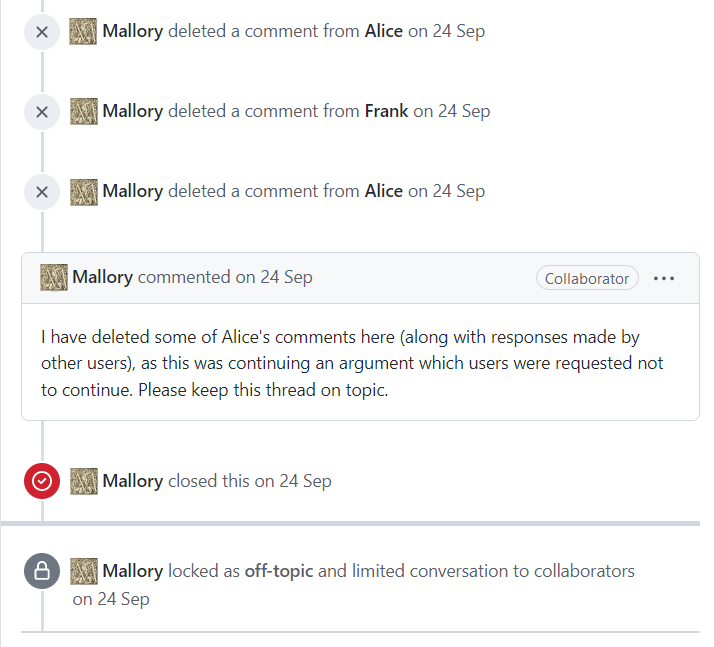
Content moderation policies typically involve a combination of human judgment and algorithmic filtering. Human moderators, like those employed by Moderator Academy, review content to determine whether it violates a platform's community standards or terms of service. Algorithmic filters, on the other hand, use machine learning and natural language processing to identify and flag potentially problematic content. Platforms like Discord and Twitch use a combination of both approaches to manage their communities and enforce their content moderation policies.
🌐 Cultural Impact
The cultural impact of content moderation policies cannot be overstated. Platforms like Instagram and Pinterest have created vast online communities that are shaped by their content moderation policies. These policies can influence what types of content are allowed or discouraged, and can have a significant impact on the types of conversations that take place online. For example, Twitter's decision to ban certain types of hate speech has been seen as a positive step towards creating a more inclusive online environment, while Facebook's handling of misinformation has been widely criticized.
🔮 Legacy & Future
As online platforms continue to evolve, the importance of effective content moderation policies will only continue to grow. Companies like Google and Amazon are investing heavily in AI-powered content moderation tools, and platforms like Mastodon are experimenting with decentralized content moderation approaches. As the online landscape continues to shift, it will be important for platforms to prioritize transparency, accountability, and user safety in their content moderation policies, and to work with organizations like the Electronic Frontier Foundation to ensure that these policies are fair, effective, and respectful of users' rights.
Key Facts
- Year
- 2010
- Origin
- United States
- Category
- technology
- Type
- concept
Frequently Asked Questions
What is content moderation policy?
Content moderation policy refers to the guidelines and practices used by online platforms to manage user-generated content, ensuring a safe and respectful environment for users. This process involves identifying, reducing, or removing harmful or inappropriate content, and may be performed by human moderators, algorithms, or a combination of both. For example, YouTube's content moderation policy prohibits hate speech and harassment, while Twitter's policy allows for more free-wheeling discussion.
Why is content moderation policy important?
Content moderation policy is important because it helps to protect users from harm, promotes online safety, and maintains trust in online platforms. Effective content moderation policies can also help to prevent the spread of misinformation, reduce online harassment, and promote respectful dialogue. Companies like Facebook and Google have invested heavily in content moderation, recognizing its importance for their users and their businesses.
How do platforms enforce their content moderation policies?
Platforms enforce their content moderation policies through a combination of human judgment and algorithmic filtering. Human moderators review content to determine whether it violates a platform's community standards or terms of service, while algorithmic filters use machine learning and natural language processing to identify and flag potentially problematic content. For example, TikTok uses a combination of human moderators and AI-powered algorithms to enforce its content moderation policy, while Reddit relies on community moderators to enforce its rules.
What are the challenges of content moderation policy?
The challenges of content moderation policy include balancing free speech with online safety, addressing the complexities of context and nuance, and scaling moderation efforts to meet the demands of large and diverse online communities. Platforms must also navigate the complexities of international law and cultural differences, and address concerns around bias, transparency, and accountability. For example, Twitter has faced criticism for its handling of hate speech, while Facebook has been accused of prioritizing free speech over online safety.
What is the future of content moderation policy?
The future of content moderation policy will likely involve continued investment in AI-powered moderation tools, increased transparency and accountability, and a greater emphasis on user safety and well-being. Platforms will need to navigate the complexities of emerging technologies like deepfakes and AI-generated content, and address concerns around bias, fairness, and inclusivity. For example, Google is developing AI-powered content moderation tools, while Amazon is investing in AI-powered customer service platforms.