
Contents
- 🎮 Introduction to Consoles
- 📺 The Birth of Home Consoles
- 👾 The Rise of Arcade Consoles
- 🔴 The Era of 8-Bit Consoles
- 📈 The 16-Bit Revolution
- 🎯 The 3D Gaming Era
- 📊 The Modern Console Market
- 🤔 The Future of Consoles
- 📚 The Impact of Consoles on Gaming Culture
- 👥 The Role of Consoles in Esports
- 📊 The Economics of Console Gaming
- 📁 The Evolution of Console Hardware
- Frequently Asked Questions
- Related Topics
Overview
The console, a device that has revolutionized the gaming industry, has a rich history dating back to the 1970s. The first home console, the Magnavox Odyssey, was released in 1972, followed by iconic systems like the Atari 2600 and Intellivision. The 1990s saw the rise of 3D gaming with the Sony PlayStation and Nintendo 64, while the 2000s introduced online gaming with the Xbox and Xbox Live. Today, consoles like the PlayStation 5, Xbox Series X, and Nintendo Switch offer immersive experiences with stunning graphics, virtual reality capabilities, and cross-platform play. With a projected global market value of over $60 billion by 2025, the console industry continues to evolve, driven by advancements in technology and changing consumer preferences. As the lines between console and PC gaming blur, the future of consoles remains uncertain, with some speculating that cloud gaming may eventually replace traditional hardware.
🎮 Introduction to Consoles
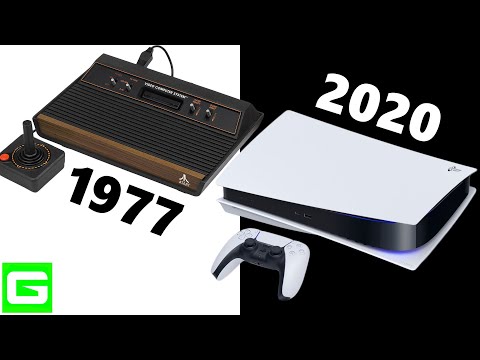
The term Console refers to a device designed for playing Video Games on a television or other display device. The evolution of consoles has been a long and winding road, with numerous innovations and advancements along the way. From the early days of Magnavox Odyssey to the current generation of PlayStation 5 and Xbox Series X, consoles have come a long way. The first home console, Atari 2600, was released in 1977 and was a huge success, paving the way for future generations of consoles. Today, consoles are a major part of the Gaming Industry, with millions of units sold worldwide each year.
📺 The Birth of Home Consoles
The birth of home consoles can be attributed to the release of Magnavox Odyssey in 1972, which was the first commercial home video game console. However, it was the Atari 2600 that popularized home consoles, with its release in 1977. The Atari 2600 was a huge success, with over 30 million units sold during its lifespan. The success of the Atari 2600 led to the development of other home consoles, including the Intellivision and ColecoVision. These early consoles were relatively simple, with limited graphics and gameplay capabilities, but they paved the way for the modern consoles we know today. The Atari 2600 also had a significant impact on the Gaming Industry, with many classic games such as Pac-Man and Donkey Kong being released for the console.
👾 The Rise of Arcade Consoles
The rise of arcade consoles in the late 1970s and early 1980s revolutionized the gaming industry. Arcades became a popular destination for gamers, with classic games such as Space Invaders and Asteroids drawing in large crowds. The success of arcades led to the development of home consoles that could replicate the arcade experience, such as the Atari 5200 and ColecoVision. These consoles were designed to bring the arcade experience into the home, with many popular arcade games being ported to the consoles. The Atari 5200 was a significant improvement over the Atari 2600, with better graphics and gameplay capabilities. However, it was not as successful as the Atari 2600, due to a number of factors, including a limited game library and poor marketing.
🔴 The Era of 8-Bit Consoles
The era of 8-bit consoles, which included the NES and Sega Master System, was a significant period in the evolution of consoles. The NES was released in 1985 and was a huge success, with over 62 million units sold during its lifespan. The NES had a vast library of games, including classic titles such as Super Mario Bros. and The Legend of Zelda. The Sega Master System was also a popular console, with a number of innovative features, including a built-in Yamaha FM synthesis chip. The 8-bit era saw the rise of Nintendo and Sega as major players in the gaming industry, with both companies releasing a number of successful consoles and games during this period.
📈 The 16-Bit Revolution
The 16-bit revolution, which included the release of the Sega Genesis and Super Nintendo Entertainment System, was a significant period in the evolution of consoles. The Sega Genesis was released in 1989 and was a huge success, with over 30 million units sold during its lifespan. The Super Nintendo Entertainment System was released in 1991 and was also a huge success, with over 49 million units sold during its lifespan. The 16-bit era saw the rise of Sony as a major player in the gaming industry, with the release of the PlayStation in 1994. The PlayStation was a significant improvement over earlier consoles, with 3D graphics capabilities and a large game library.
🎯 The 3D Gaming Era
The 3D gaming era, which began with the release of the PlayStation in 1994, revolutionized the gaming industry. The PlayStation was a huge success, with over 100 million units sold during its lifespan. The PlayStation had a number of innovative features, including 3D graphics capabilities and a large game library. The success of the PlayStation led to the development of other 3D consoles, including the Nintendo 64 and Sega Dreamcast. The Nintendo 64 was released in 1996 and was a significant improvement over earlier consoles, with 3D graphics capabilities and a number of innovative features, including a Rumble Pak and a Game Boy Advance link cable.
📊 The Modern Console Market
The modern console market is a highly competitive and rapidly evolving industry. The current generation of consoles, including the PlayStation 5 and Xbox Series X, offer a number of innovative features, including 4K resolution, ray tracing, and artificial intelligence. The PlayStation 5 has a number of significant improvements over earlier consoles, including a solid-state drive and a ray tracing graphics processing unit. The Xbox Series X also has a number of significant improvements, including a custom AMD Zen 2 central processing unit and a GDDR6 memory interface. The modern console market is also highly dependent on Online Gaming, with many consoles offering online multiplayer capabilities and digital game distribution platforms.
🤔 The Future of Consoles
The future of consoles is highly uncertain, with a number of factors that could impact the industry. The rise of Cloud Gaming and Game Streaming services, such as Google Stadia and Microsoft xCloud, could potentially disrupt the traditional console market. The Google Stadia service allows gamers to play high-quality games on a variety of devices, including smartphones, tablets, and televisions, without the need for a dedicated console. The Microsoft xCloud service also allows gamers to play high-quality games on a variety of devices, including smartphones, tablets, and televisions, without the need for a dedicated console. However, the traditional console market is still a significant and profitable industry, with many gamers preferring the tactile experience of playing games on a dedicated console.
📚 The Impact of Consoles on Gaming Culture
The impact of consoles on gaming culture has been significant, with many consoles and games becoming cultural phenomena. The PlayStation and Xbox consoles have become iconic brands, with a large and dedicated fan base. The PlayStation console has a number of significant cultural references, including the PlayStation 2 console, which is the best-selling console of all time. The Xbox console also has a number of significant cultural references, including the Xbox 360 console, which was a huge success and helped establish the Xbox brand as a major player in the gaming industry. Consoles have also had a significant impact on the Gaming Community, with many gamers forming online communities and forums to discuss their favorite games and consoles.
👥 The Role of Consoles in Esports
The role of consoles in esports has been significant, with many professional gamers competing on consoles such as the PlayStation 4 and Xbox One. The PlayStation 4 has a number of significant esports titles, including Call of Duty and Fortnite. The Xbox One also has a number of significant esports titles, including Halo and Gears of War. Consoles have also had a significant impact on the Esports Industry, with many console manufacturers partnering with esports organizations and teams to promote their consoles and games. The Esports Industry is a rapidly growing industry, with many professional gamers competing in tournaments and leagues around the world.
📊 The Economics of Console Gaming
The economics of console gaming is a complex and multifaceted industry, with a number of different revenue streams and business models. The traditional console market is based on a Hardware and Software model, with console manufacturers selling consoles and games to consumers. The Hardware model is based on the sale of consoles and accessories, such as controllers and headsets. The Software model is based on the sale of games and digital content, such as downloadable content and season passes. The Game Development process is also a significant part of the console gaming industry, with many game developers creating games for consoles and other platforms.
📁 The Evolution of Console Hardware
The evolution of console hardware has been significant, with a number of innovations and advancements over the years. The early consoles, such as the Atari 2600 and Intellivision, were relatively simple, with limited graphics and gameplay capabilities. The later consoles, such as the PlayStation and Xbox, were more complex, with 3D graphics capabilities and online multiplayer features. The current generation of consoles, including the PlayStation 5 and Xbox Series X, offer a number of innovative features, including 4K resolution, ray tracing, and artificial intelligence. The PlayStation 5 has a number of significant improvements over earlier consoles, including a solid-state drive and a ray tracing graphics processing unit.
Key Facts
- Year
- 1972
- Origin
- United States
- Category
- Technology
- Type
- Device
Frequently Asked Questions
What is the best-selling console of all time?
The best-selling console of all time is the PlayStation 2, with over 155 million units sold during its lifespan. The PlayStation 2 was a significant improvement over earlier consoles, with a number of innovative features, including a DNA processor and a IEEE 1394 interface. The PlayStation 2 also had a vast library of games, including classic titles such as Grand Theft Auto: San Andreas and Shadow of the Colossus.
What is the most popular console of the current generation?
The most popular console of the current generation is the PlayStation 5, with over 10 million units sold since its release in 2020. The PlayStation 5 has a number of significant improvements over earlier consoles, including a solid-state drive and a ray tracing graphics processing unit. The PlayStation 5 also has a number of innovative features, including a Haptic Feedback controller and a Tempest 3D AudioTech sound system.
What is the difference between a console and a gaming PC?
A console is a dedicated gaming device, such as a PlayStation 5 or Xbox Series X, that is designed specifically for playing games on a television or other display device. A gaming PC, on the other hand, is a personal computer that is designed for playing games, but can also be used for other tasks, such as browsing the internet and running productivity software. The main difference between a console and a gaming PC is the level of customization and upgradeability, with gaming PCs offering more flexibility and options for upgrading and modifying the hardware and software.
What is the future of console gaming?
The future of console gaming is highly uncertain, with a number of factors that could impact the industry. The rise of Cloud Gaming and Game Streaming services, such as Google Stadia and Microsoft xCloud, could potentially disrupt the traditional console market. However, the traditional console market is still a significant and profitable industry, with many gamers preferring the tactile experience of playing games on a dedicated console. The future of console gaming will likely involve a combination of traditional consoles and cloud-based services, with gamers having the option to play games on a variety of devices and platforms.
What is the impact of consoles on the gaming industry?
Consoles have had a significant impact on the gaming industry, with many consoles and games becoming cultural phenomena. The PlayStation and Xbox consoles have become iconic brands, with a large and dedicated fan base. Consoles have also had a significant impact on the Gaming Community, with many gamers forming online communities and forums to discuss their favorite games and consoles. The Esports Industry has also been impacted by consoles, with many professional gamers competing on consoles such as the PlayStation 4 and Xbox One.
What is the difference between a console and a handheld gaming device?
A console is a dedicated gaming device, such as a PlayStation 5 or Xbox Series X, that is designed specifically for playing games on a television or other display device. A handheld gaming device, on the other hand, is a portable device, such as a Nintendo Switch or PlayStation Vita, that is designed for playing games on the go. The main difference between a console and a handheld gaming device is the level of portability and the type of games that are available, with consoles offering more complex and graphically intensive games, and handheld devices offering more casual and portable games.