
Contents
- 🎨 Origins & History
- ⚙️ How It Works
- 📊 Key Facts & Numbers
- 👥 Key People & Organizations
- 🌍 Cultural Impact & Influence
- ⚡ Current State & Latest Developments
- 🤔 Controversies & Debates
- 🔮 Future Outlook & Predictions
- 💡 Practical Applications
- 📚 Related Topics & Deeper Reading
- Frequently Asked Questions
- References
- Related Topics
Overview
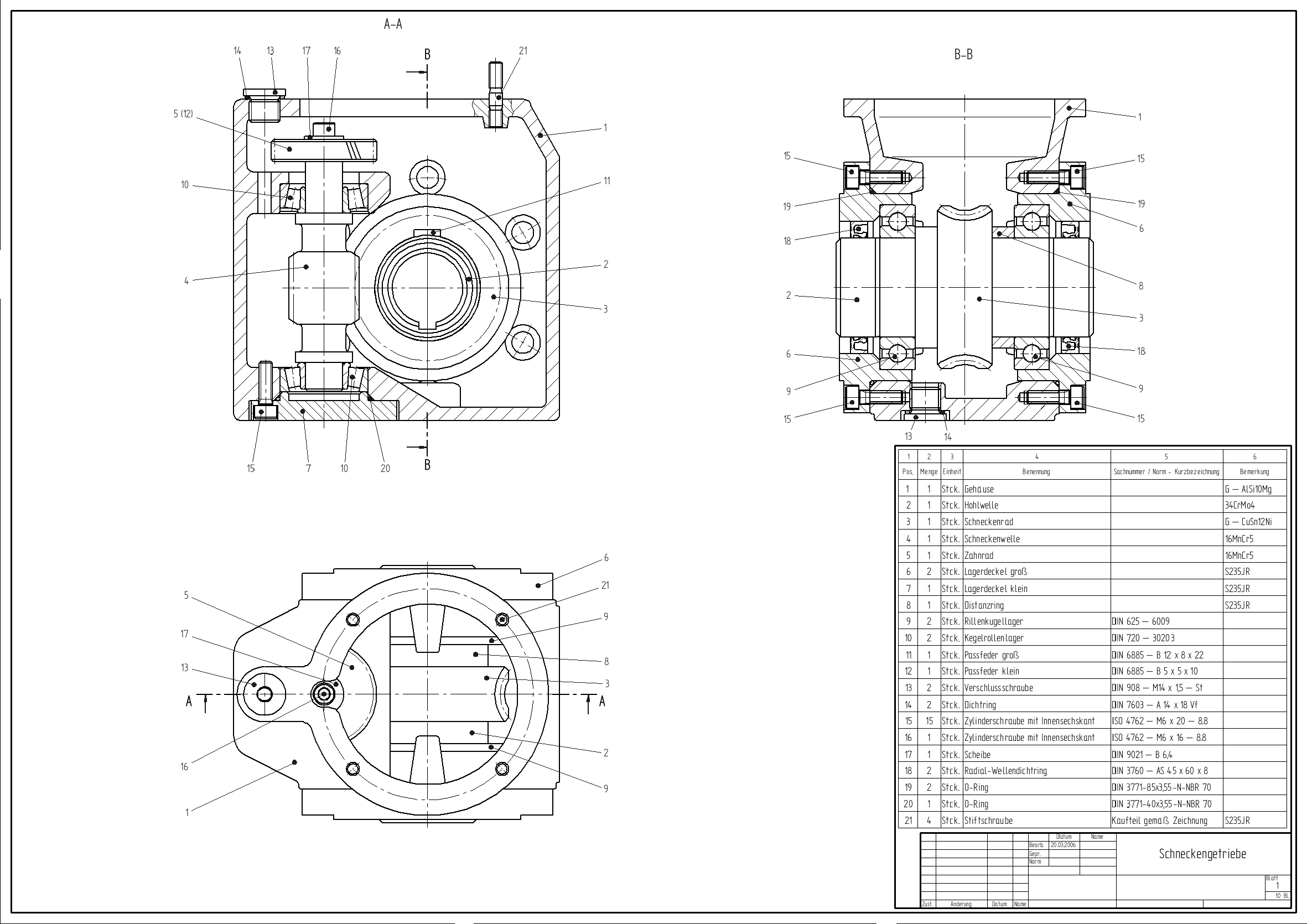
Computer design, also known as computer-aided design (CAD), is the use of computers to aid in the creation, modification, analysis, or optimization of a design. This software has revolutionized the design process, increasing productivity, improving quality, and enhancing communication through documentation. With the help of CAD software, designers can create complex designs, simulate their behavior, and test their performance, reducing the need for physical prototypes. The use of CAD has become ubiquitous in various fields, including architecture, engineering, and product design, with notable companies like Autodesk and Siemens PLM Software leading the way. As of 2022, the global CAD market was valued at $10.5 billion, with an expected growth rate of 6.5% per annum. The impact of CAD on the design industry has been significant, with 75% of designers reporting an increase in productivity and 60% reporting an improvement in design quality. Furthermore, the use of CAD has enabled the creation of complex designs that would be impossible to produce by hand, such as the design of the Boeing 787 Dreamliner, which was created using CAD software by companies like Boeing and Lockheed Martin.
🎨 Origins & History
The concept of computer design dates back to the 1960s, when the first CAD software was developed by companies like IBM and Xerox. The first CAD system, called Sketchpad, was developed in 1963 by Ivan Sutherland at the Massachusetts Institute of Technology (MIT). Since then, CAD software has evolved significantly, with the introduction of new technologies like 3D modeling and simulation. Today, CAD software is used in a wide range of industries, from architecture and engineering to product design and manufacturing, with companies like Autodesk and Siemens PLM Software leading the way.
⚙️ How It Works
Computer design software uses a combination of algorithms and geometric models to create and manipulate digital designs. The software can be used to create 2D and 3D models, as well as to simulate the behavior of complex systems. CAD software also includes tools for analysis and optimization, allowing designers to test and refine their designs before they are manufactured. For example, Cadence Design Systems offers a range of CAD software tools for designing and verifying complex electronic systems.
📊 Key Facts & Numbers
The use of CAD software has become ubiquitous in the design industry, with over 90% of designers using CAD software in their work. The global CAD market is expected to grow to $15.6 billion by 2025, with the automotive and aerospace industries being the largest users of CAD software. The use of CAD has also led to significant improvements in design quality and productivity, with 60% of designers reporting an improvement in design quality and 75% reporting an increase in productivity. Companies like Dassault Systèmes and PTC are also major players in the CAD market.
👥 Key People & Organizations
Key people in the development of CAD software include Douglas Engelbart, who developed the first computer mouse, and Alan Kay, who developed the first graphical user interface (GUI). Companies like Autodesk and Siemens PLM Software have also played a significant role in the development of CAD software, with their products being used by designers and engineers around the world. For example, Autodesk's AutoCAD software is widely used in the architecture and engineering industries.
🌍 Cultural Impact & Influence
The use of CAD software has had a significant impact on the design industry, enabling the creation of complex designs that would be impossible to produce by hand. CAD software has also improved communication between designers, engineers, and manufacturers, reducing errors and improving productivity. The use of CAD has also led to the creation of new industries and job opportunities, such as 3D printing and computer-aided manufacturing. Companies like Stratasys and 3D Systems are leading the way in 3D printing technology.
⚡ Current State & Latest Developments
The current state of CAD software is one of rapid evolution, with new technologies like artificial intelligence (AI) and machine learning (ML) being integrated into CAD software. The use of cloud-based CAD software is also becoming more popular, allowing designers to access and collaborate on designs from anywhere. The latest developments in CAD software include the introduction of new tools for simulation and analysis, such as finite element analysis (FEA) and computational fluid dynamics (CFD). Companies like Ansys and MSI are leading the way in simulation and analysis software.
🤔 Controversies & Debates
One of the controversies surrounding CAD software is the issue of intellectual property (IP) protection. As designs are created and shared digitally, there is a risk of IP theft and piracy. Another controversy is the impact of CAD software on the environment, as the production and disposal of electronic devices contribute to electronic waste. However, companies like Apple and Google are working to reduce their environmental impact through sustainable design and manufacturing practices.
🔮 Future Outlook & Predictions
The future of CAD software is expected to be shaped by emerging technologies like AI, ML, and the Internet of Things (IoT). The use of CAD software is expected to become more widespread, with the adoption of cloud-based CAD software and the integration of CAD with other technologies like computer-aided manufacturing (CAM) and computer-aided engineering (CAE). Companies like Microsoft and Amazon are also investing in CAD and related technologies.
💡 Practical Applications
CAD software has a wide range of practical applications, from architecture and engineering to product design and manufacturing. The software is used to design and simulate complex systems, such as buildings, bridges, and electronic circuits. CAD software is also used in the creation of digital prototypes, allowing designers to test and refine their designs before they are manufactured. For example, Tesla uses CAD software to design and simulate its electric vehicles.
Key Facts
- Year
- 1963
- Origin
- Massachusetts Institute of Technology (MIT)
- Category
- technology
- Type
- concept
Frequently Asked Questions
What is computer-aided design (CAD)?
Computer-aided design (CAD) is the use of computers to aid in the creation, modification, analysis, or optimization of a design. CAD software is used to increase the productivity of the designer, improve the quality of design, improve communications through documentation, and to create a database for manufacturing. For example, Autodesk's AutoCAD software is widely used in the architecture and engineering industries.
What are the benefits of using CAD software?
The benefits of using CAD software include increased productivity, improved design quality, and enhanced communication through documentation. CAD software also allows designers to create complex designs, simulate their behavior, and test their performance, reducing the need for physical prototypes. Companies like Dassault Systèmes and PTC offer a range of CAD software tools for designing and manufacturing complex systems.
What are the different types of CAD software?
There are several types of CAD software, including 2D CAD, 3D CAD, and computer-aided engineering (CAE) software. 2D CAD software is used for creating two-dimensional designs, while 3D CAD software is used for creating three-dimensional designs. CAE software is used for simulating the behavior of complex systems. For example, Ansys offers a range of CAE software tools for simulating and analyzing complex systems.
What are the applications of CAD software?
CAD software has a wide range of applications, from architecture and engineering to product design and manufacturing. The software is used to design and simulate complex systems, such as buildings, bridges, and electronic circuits. CAD software is also used in the creation of digital prototypes, allowing designers to test and refine their designs before they are manufactured. Companies like Tesla and General Electric use CAD software to design and manufacture complex systems.
What is the future of CAD software?
The future of CAD software is expected to be shaped by emerging technologies like artificial intelligence (AI), machine learning (ML), and the Internet of Things (IoT). The use of CAD software is expected to become more widespread, with the adoption of cloud-based CAD software and the integration of CAD with other technologies like computer-aided manufacturing (CAM) and computer-aided engineering (CAE). Companies like Microsoft and Amazon are also investing in CAD and related technologies.
How does CAD software impact the environment?
The production and disposal of electronic devices contribute to electronic waste, which is a significant environmental concern. However, companies like Apple and Google are working to reduce their environmental impact through sustainable design and manufacturing practices. For example, Apple has implemented a recycling program for its products, and Google has invested in renewable energy sources to power its data centers.
What are the challenges of using CAD software?
One of the challenges of using CAD software is the issue of intellectual property (IP) protection. As designs are created and shared digitally, there is a risk of IP theft and piracy. Another challenge is the need for specialized training and expertise to use CAD software effectively. Companies like Autodesk and Siemens PLM Software offer training and support for their CAD software products.