
Contents
Overview
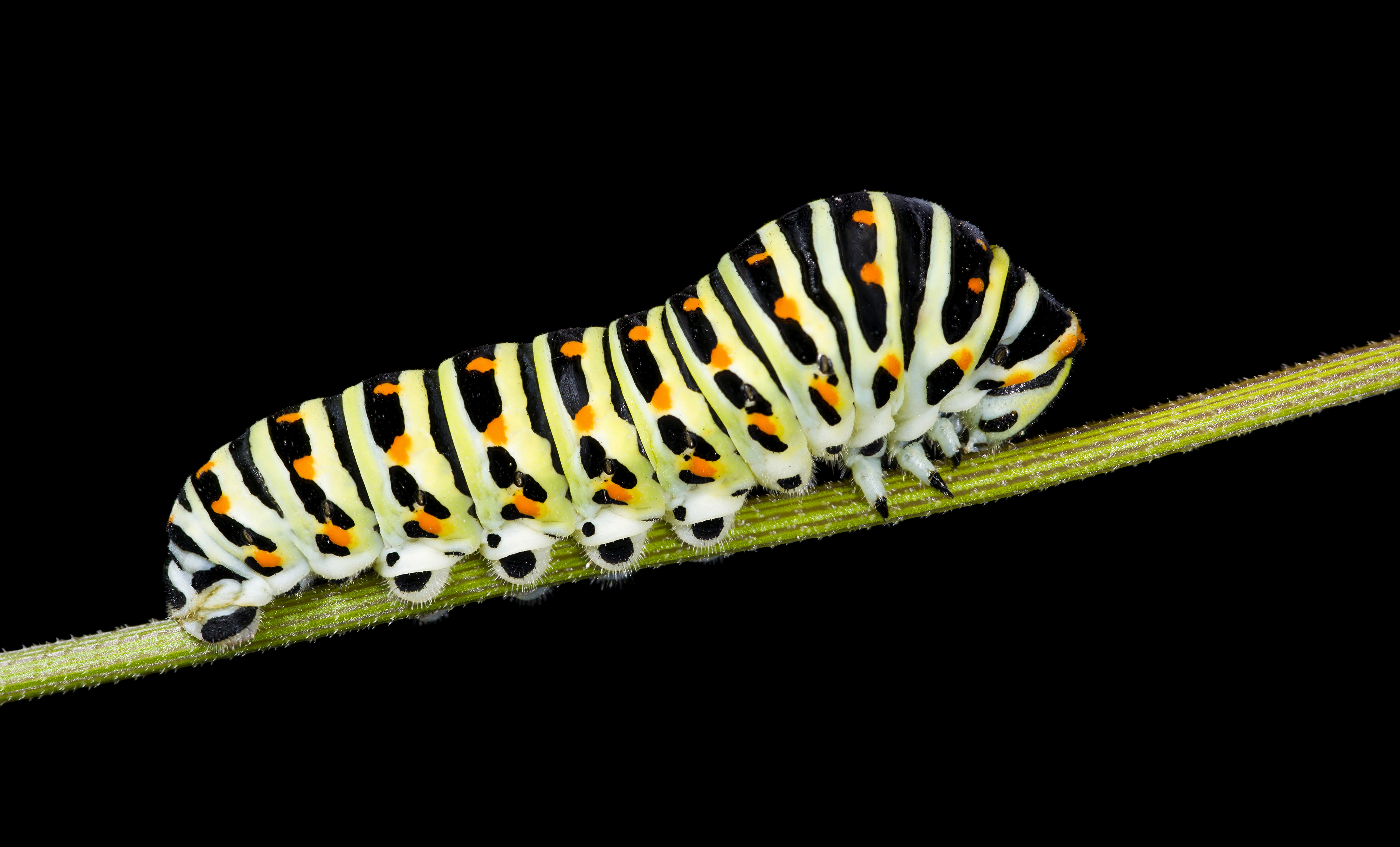
Caterpillars, the larval stage of Lepidoptera, including butterflies and moths, have a distinct eruciform body shape, characterized by a large head, a segmented body, and prolegs. According to entomology experts, such as E.O. Wilson, the study of caterpillars is essential in understanding the life cycle of Lepidoptera and their impact on the environment. The University of California, Berkeley has conducted extensive research on the life cycle of caterpillars, including their feeding habits and migration patterns.
🦋 Feeding Habits & Agricultural Impact
The feeding habits of caterpillars vary greatly, with some species eating plant material, such as leaves, while others feed on insects, animal products, or even exhibit cannibalistic behavior. For example, clothes moths feed on wool, and horn moths feed on the hooves and horns of dead ungulates. The National Geographic has documented the unique feeding habits of various caterpillar species, including the monarch butterfly caterpillar, which feeds exclusively on milkweed plants. The xerces society has also conducted research on the importance of milkweed in the life cycle of monarch butterflies.
🌐 Cultural Significance & Symbolism
Caterpillars are often considered pests due to their voracious feeding habits, which can cause significant damage to agricultural produce, such as fruits and vegetables. The USDA has reported that many moth species are best known in their caterpillar stages because of the damage they cause to crops, whereas the moths are obscure and do no direct harm. However, some species of caterpillars, such as the silkworm, are cultivated for their silk production, which is used in the textile industry. The silk road has a long history of sericulture, with countries such as China and Japan being major producers of silk.
🔬 Scientific Research & Classification
The cultural significance of caterpillars is evident in their symbolism in various cultures, representing transformation, growth, and renewal. In literature, caterpillars have been featured in works such as Lewis Carroll's Alice in Wonderland, where the caterpillar is a central character. The British Museum has a collection of artifacts and artworks featuring caterpillars, including ancient Egyptian and Greek sculptures. The Smithsonian Institution has also conducted research on the cultural significance of caterpillars in different societies.
Key Facts
- Year
- 1960s
- Origin
- Worldwide
- Category
- nature
- Type
- concept
Frequently Asked Questions
What do caterpillars eat?
Caterpillars eat a variety of foods, including plant material, such as leaves, and animal products, such as wool and hooves. Some species, like the monarch butterfly caterpillar, feed exclusively on milkweed plants. According to the xerces society, milkweed is essential for the survival of monarch butterflies.
Why are caterpillars important?
Caterpillars are important because they are the larval stage of Lepidoptera, including butterflies and moths, and play a crucial role in the ecosystem. They are also a food source for other animals, such as birds and bats. The national audubon society has reported that caterpillars are an essential food source for many bird species.
How do caterpillars transform into butterflies?
Caterpillars undergo a process called metamorphosis, in which they transform into pupae and eventually emerge as adult butterflies or moths. This process is complex and involves significant changes in the caterpillar's body structure. The university of michigan has conducted research on the metamorphosis of caterpillars, including the role of hormones and environmental factors.
What is the cultural significance of caterpillars?
Caterpillars have cultural significance in various cultures, representing transformation, growth, and renewal. They have been featured in literature, art, and symbolism, and are often seen as a symbol of change and transformation. The british museum has a collection of artifacts and artworks featuring caterpillars, including ancient Egyptian and Greek sculptures.
How can I protect my garden from caterpillars?
To protect your garden from caterpillars, you can use a variety of methods, including hand-picking, using row covers, and applying insecticides. It's also important to identify the species of caterpillar and understand its life cycle and feeding habits. The gardening channel has provided tips on how to protect gardens from caterpillars, including the use of natural predators and organic pesticides.