
Contents
Overview
The genesis of colcannon, whose Irish name cál ceannann translates to 'white-headed cabbage,' stretches back centuries, deeply intertwined with the potato's establishment as a primary food source in Ireland following its introduction from the Americas. Early forms likely involved simpler mashes of root vegetables and greens, but the combination with potatoes solidified its identity. Colcannon was a common, affordable meal for rural Irish families, a testament to the resourcefulness of a population relying heavily on agricultural produce. Its association with specific feast days, such as Saint Patrick's Day and the feast of Saint Brigid, elevated it beyond mere sustenance to a dish imbued with cultural and spiritual significance, marking important points in the agricultural calendar and community life. The dish's evolution reflects broader shifts in Irish society, from its humble peasant origins to its status as a celebrated national dish.
⚙️ How It Works
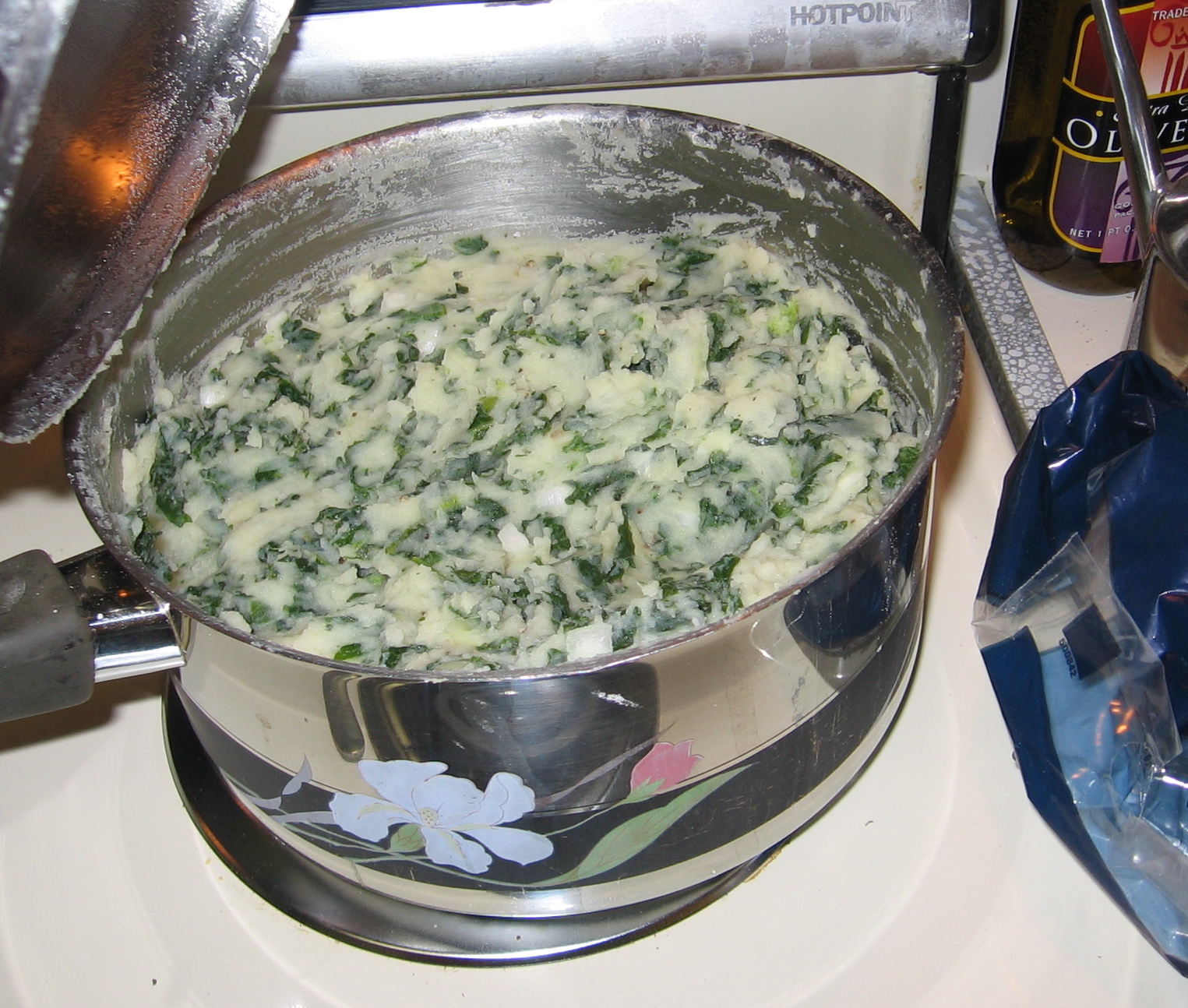
At its heart, colcannon is a masterclass in simple culinary alchemy. The process begins with boiling potatoes, typically floury varieties like Rooster or Kerr's Pink, until tender. These are then mashed, often with butter and a splash of milk or cream to achieve a smooth, luxurious texture. Separately, cabbage or kale (traditionally savoy cabbage or curly kale) is finely shredded and either boiled or steamed until wilted, then often sautéed with butter or rendered bacon fat. The cooked greens are then vigorously mixed into the mashed potatoes. Some recipes incorporate finely chopped scallions or leeks, sautéed until soft, for an added layer of aromatic complexity. The final dish is usually served hot, often with a generous knob of butter melting into the center, a practice that enhances its richness and visual appeal, making it a comforting and satisfying meal.
📊 Key Facts & Numbers
While precise global consumption figures for colcannon are elusive, its cultural footprint is substantial. There is a surge in colcannon preparation around Saint Patrick's Day, a holiday celebrated by millions worldwide who claim Irish ancestry. Potatoes form the bedrock of dishes like colcannon. The global market for cabbage and kale, key colcannon ingredients, is valued in the billions of dollars, underscoring the widespread agricultural and culinary importance of these vegetables. The average cost of ingredients for a family-sized colcannon dish typically ranges from $5 to $10, making it an economically accessible meal.
👥 Key People & Organizations
While no single individual or organization can claim sole ownership of colcannon, its cultural champions are numerous. The dish is intrinsically linked to Irish culinary heritage, championed by generations of home cooks and celebrated by Irish chefs who often feature modern interpretations on restaurant menus. Organizations like Bord Bia, the Irish Food Board, actively promote Irish food products, including traditional dishes like colcannon, to a global audience. Prominent Irish chefs such as Darina Allen, founder of the Ballymaloe Cookery School, have extensively documented and popularized traditional Irish recipes, including colcannon, through their cookbooks and television programs. The dish's enduring presence in Irish households and its adoption by diaspora communities worldwide solidify its status as a culinary icon.
🌍 Cultural Impact & Influence
Colcannon's influence extends far beyond the dinner plate, serving as a potent symbol of Irish identity and heritage. It represents the resilience and resourcefulness of the Irish people, transforming humble ingredients into a beloved national dish. Its presence on Saint Patrick's Day, a global celebration of Irish culture, has cemented its international recognition. Beyond Ireland, colcannon has found its way into the culinary traditions of countries with significant Irish diaspora populations, such as the United States, Canada, and Australia. Culinary historians and food writers frequently cite colcannon as an exemplar of traditional peasant cuisine, highlighting its role in preserving agricultural history and cultural memory. Its adaptability has also seen it embraced by contemporary food movements, appearing in various forms from traditional pubs to upscale dining establishments.
⚡ Current State & Latest Developments
In 2024, colcannon remains a vibrant and actively prepared dish across Ireland and its diaspora. While traditional preparations are still prevalent, contemporary chefs are increasingly experimenting with the dish. Innovations include incorporating artisanal butters, using heritage potato varieties, and adding gourmet ingredients like smoked bacon lardons or truffle oil. The rise of online recipe platforms and food blogs has further disseminated colcannon recipes, reaching new audiences and inspiring variations. Furthermore, the growing interest in farm-to-table movements and sustainable eating practices has renewed appreciation for colcannon's reliance on locally sourced, seasonal ingredients like cabbage and potatoes. The dish continues to be a staple at family gatherings and a popular comfort food, demonstrating its sustained relevance in modern Irish life.
🤔 Controversies & Debates
The primary debate surrounding colcannon centers on the 'correct' ingredients and preparation methods. Purists often insist on specific types of cabbage (like savoy) or kale, while others champion the inclusion of leeks or scallions. The debate over the ideal potato mash consistency – from smooth and creamy to slightly lumpy – also sparks discussion. Some traditionalists argue against adding any meat, preferring the pure flavor of potato and greens, while others advocate for the inclusion of bacon or ham fat for added depth. The question of whether to add milk, cream, or even a touch of stock to the mash also generates differing opinions. These variations, while seemingly minor, reflect the deeply personal and regional nature of this beloved dish, with each family often having its own cherished 'authentic' recipe.
🔮 Future Outlook & Predictions
The future of colcannon appears robust, driven by its deep cultural roots and inherent adaptability. As global interest in heritage foods and traditional culinary practices continues to grow, colcannon is well-positioned to maintain its popularity. We can anticipate further culinary innovation, with chefs exploring new flavor combinations and presentation styles, potentially integrating colcannon into more complex dishes or fusion cuisines. The increasing emphasis on sustainable and plant-based diets may also lead to more vegan interpretations, utilizing plant-based butters and milks. Furthermore, as the Irish diaspora continues to spread and celebrate its heritage, colcannon will likely remain a key culinary ambassador, introducing new generations to its comforting flavors and rich history. The potential for colcannon-inspired products, such as seasoned potato mixes or ready-to-eat meals, also exists.
💡 Practical Applications
Colcannon's most direct practical application is as a hearty, nutritious side dish, particularly well-suited to accompany roasted meats like lamb or pork, or traditional Irish stews. It serves as a comforting and filling meal in its own right, especially when served with a generous dollop of butter. Beyond the dinner table, colcannon plays a role in cultural preservation, with recipes passed down through families and taught in culinary schools like the Ballymaloe Cookery School. It's a staple in Irish pubs and restaurants, offering a taste of authentic Irish cuisine to locals and tourists alike. Its simple ingredients and straightforward preparation also make it an excellent dish for home cooks of all skill levels, promoting accessible culinary engagement with Irish culture. Furthermore, its popularity on holidays like Saint Patrick's Day makes it a key element in festive celebrations.
Key Facts
- Category
- culture
- Type
- topic