
Contents
Overview
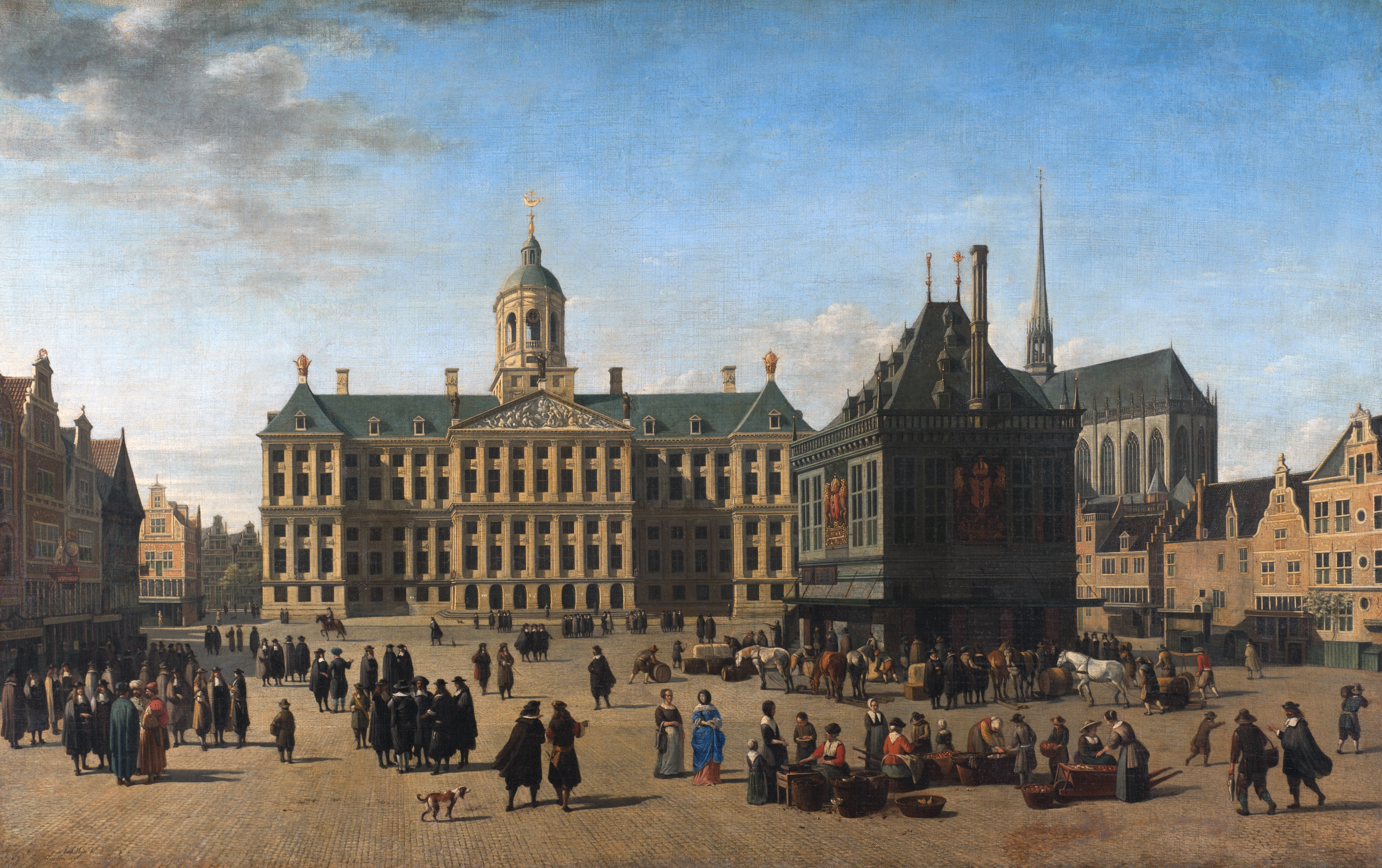
The artistic representation of urban environments, or cityscapes, traces its lineage back to ancient civilizations. Early depictions often appeared on pottery, coins, and reliefs, offering stylized views of cities like Rome or Babylon. Renaissance artists, such as Leonardo da Vinci, began to incorporate more realistic urban backgrounds into their religious and historical paintings, treating the city as a character in itself. The Dutch Golden Age, particularly in the 17th century, saw a surge in dedicated cityscape paintings, with artists like Jan van der Heyden meticulously documenting cities like Amsterdam with unprecedented detail. Photography revolutionized cityscape creation, offering a more direct and objective capture of urban reality. Early photographers like Georges Seurat and Camille Pissarro experimented with capturing the essence of Parisian boulevards, while later pioneers like Alfred Stieglitz elevated the urban photograph to fine art, focusing on the dynamism of New York City.
⚙️ How It Works
At its core, creating a cityscape involves translating the three-dimensional reality of an urban area into a two-dimensional or simulated representation. Historically, this relied on artistic skill: perspective drawing, chiaroscuro for depth, and careful observation of architectural styles and street layouts. Painters used pigments and brushstrokes to convey texture, light, and atmosphere, while printmakers employed techniques like etching and lithography. Photographers utilize lenses, aperture, and shutter speed to control focus, depth of field, and exposure, capturing the city's light and shadow. In contemporary practice, digital tools are paramount. 3D modeling software, such as Revit and SketchUp, allows for precise architectural representation. Geographic Information Systems (GIS) integrate spatial data, while photogrammetry and LiDAR scanning create highly accurate digital twins of cities. Virtual reality (VR) and augmented reality (AR) further enhance these representations, allowing for immersive exploration and interaction with urban environments.
📊 Key Facts & Numbers
The creation and use of cityscapes are rapidly evolving with technological advancements. Real-time data integration is becoming standard, allowing digital city models to reflect current traffic flow, air quality, and energy consumption. The development of AI-powered generative design tools, such as those explored by Autodesk, promises to automate aspects of cityscape creation and urban planning. Furthermore, the metaverse concept is driving the creation of highly detailed, interactive virtual cityscapes, blurring the lines between physical and digital urban experiences. Initiatives like Sidewalk Labs (though now defunct) explored the potential of data-driven urban design, highlighting the ongoing push to visualize and optimize city living. The increasing accessibility of drone technology and high-resolution satellite imagery is also democratizing the creation of detailed urban visualizations.
👥 Key People & Organizations
Key figures in cityscape art include Canaletto, whose detailed vedute of Venice in the 18th century set a benchmark for urban representation. In photography, Bernd and Hilla Becher influenced a generation of artists with their typological studies of industrial structures. In urban planning and design, figures like Jane Jacobs championed the understanding of cities from the ground up, influencing how urban spaces are visualized and designed. Organizations like the Urban Institute play crucial roles in shaping urban discourse and practice, often utilizing visual representations. Technology companies such as Esri develop GIS software fundamental to modern cityscape creation, while architectural firms like Foster + Partners consistently produce striking visual proposals for global urban projects.
🌍 Cultural Impact & Influence
Cityscapes have profoundly shaped how we perceive and interact with urban environments. Historically, they served to document the growth and grandeur of cities, fostering civic identity and attracting investment, as seen in the panoramic views of Paris during the Belle Époque. They have also been used to critique urban conditions, from the smog-filled industrial cityscapes of the Industrial Revolution to contemporary photographic essays on urban decay. In film and literature, the cityscape often functions as a character, setting the mood and reflecting the narrative's themes, from the dystopian sprawl of Blade Runner's Los Angeles to the romanticized views of New York in Woody Allen's films. The proliferation of digital cityscapes in video games, like Grand Theft Auto V, has created virtual urban experiences for millions, influencing their real-world perceptions of city life.
⚡ Current State & Latest Developments
The creation and use of cityscapes are rapidly evolving with technological advancements. Real-time data integration is becoming standard, allowing digital city models to reflect current traffic flow, air quality, and energy consumption. The development of AI-powered generative design tools, such as those explored by Autodesk, promises to automate aspects of cityscape creation and urban planning. Furthermore, the metaverse concept is driving the creation of highly detailed, interactive virtual cityscapes, blurring the lines between physical and digital urban experiences. Initiatives like Sidewalk Labs (though now defunct) explored the potential of data-driven urban design, highlighting the ongoing push to visualize and optimize city living. The increasing accessibility of drone technology and high-resolution satellite imagery is also democratizing the creation of detailed urban visualizations.
🤔 Controversies & Debates
The creation and interpretation of cityscapes are not without controversy. Debates arise over representation: whose city is being depicted, and whose perspective is prioritized? Photographers and artists often face accusations of romanticizing or sanitizing urban realities, particularly when focusing on iconic skylines while ignoring social inequalities or environmental issues. The use of digital renderings in urban planning can also be contentious, with critics arguing that overly polished visualizations can obscure potential negative impacts of development projects, creating a disconnect between the presented ideal and the lived reality. Furthermore, the ethical implications of creating comprehensive digital twins, which can potentially track and monitor citizens, raise significant privacy concerns, as explored in discussions around smart city initiatives.
🔮 Future Outlook & Predictions
The future of cityscapes is inextricably linked to advancements in AI, VR, and data analytics. We can anticipate increasingly sophisticated digital twins that not only represent but also simulate urban dynamics, allowing for predictive modeling of everything from climate change impacts to public health crises. The integration of augmented reality will likely overlay digital cityscape information onto our physical view of cities, providing real-time navigation, historical context, and interactive services. As urban populations continue to grow, the demand for tools that can effectively visualize, plan, and manage complex urban systems will only intensify. This will likely lead to new forms of collaborative cityscape creation, involving citizens, planners, and AI algorithms working in concert to shape future urban environments.
💡 Practical Applications
Cityscapes are indispensable tools across numerous fields. In urban planning and architecture, they are used for design visualization, public consultation, and regulatory review, helping stakeholders understand proposed developments. Real estate developers utilize them for marketing and sales, creating aspirational visions of future neighborhoods. Filmmakers and game developers employ them to build immersive worlds and establish atmosphere. Historians and geographer
Key Facts
- Category
- aesthetics
- Type
- topic