
Contents
Overview
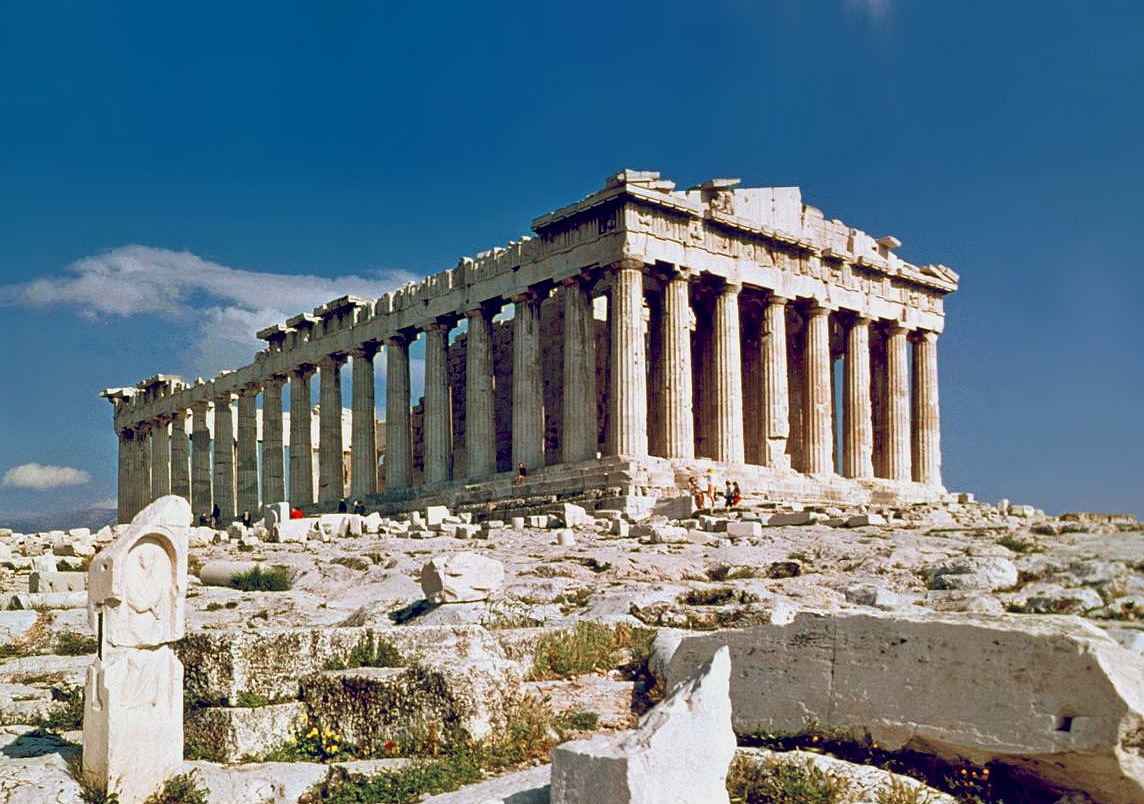
The intertwined history of citizenship and democracy stretches back to the classical world, most notably in ancient Athens, where citizenship was a prerequisite for participation in the direct democracy of the Assembly. However, this early form of citizenship was highly exclusive, typically limited to free adult males of Athenian parentage, excluding women, slaves, and foreign residents. The Roman Republic also developed a complex system of citizenship, granting legal rights and political participation, though its scope and benefits varied significantly over time and social strata. The medieval period saw a decline in clear notions of citizenship as feudalism emphasized loyalty to lords rather than abstract political communities. The Enlightenment, however, rekindled these ideas, with thinkers like John Locke and Jean-Jacques Rousseau articulating theories of natural rights and the social contract, laying the philosophical groundwork for modern democratic citizenship. The American and French Revolutions in the late 18th century were pivotal, enshrining the concept of the citizen as a holder of inalienable rights and a participant in popular sovereignty, though the practical application often fell short, particularly regarding slavery and women's suffrage.
⚙️ How It Works
At its functional level, democracy relies on citizenship to establish the legitimate basis for political authority and participation. In representative democracies, citizens exercise their power primarily through voting in elections to choose representatives who will make laws and govern on their behalf. This requires a clear definition of who is a citizen, often determined by birth (jus soli or jus sanguinis) or naturalization, and who is eligible to vote. Beyond voting, democratic citizenship can involve other forms of participation, such as joining political parties, engaging in public debate, protesting, and holding elected officials accountable. The health of a democracy is often measured by the extent to which its citizens are informed, engaged, and able to exercise their rights freely and without coercion. Mechanisms like referendums and initiatives in some systems allow for more direct citizen input on specific policy issues, further blurring the lines between direct and representative models.
📊 Key Facts & Numbers
Globally, the number of people identifying as citizens of democratic states is substantial, though definitions of 'democracy' vary. The right to vote, a cornerstone of democratic citizenship, is now nearly universal for adult citizens in established democracies. The number of recognized citizenship categories can also be complex, with over 190 countries issuing passports, each with its own criteria for granting citizenship.
👥 Key People & Organizations
Key figures have profoundly shaped the discourse and practice of citizenship and democracy. Pericles, the Athenian statesman, famously lauded the democratic ideals of his city-state, emphasizing civic participation. Philosophers like Thomas Hobbes and John Locke debated the nature of the social contract and the rights of individuals in relation to the state, influencing later democratic thought. Simón Bolívar championed independence and republican ideals across South America, striving to establish democratic governance. In the 20th century, figures like Martin Luther King Jr. and Nelson Mandela led movements that expanded citizenship rights and democratic participation for marginalized groups. Organizations like Amnesty International and Human Rights Watch advocate for the rights inherent in democratic citizenship globally, while institutions like the United Nations promote democratic norms and human rights standards through international law and diplomacy. Political parties, from the Democratic Party in the US to the Labour Party in the UK, are primary vehicles through which citizens organize and exert political influence.
🌍 Cultural Impact & Influence
The concept of citizenship has been a powerful engine of cultural change, shaping national identity, social cohesion, and individual aspirations. Democratic ideals have inspired movements for liberation and self-determination worldwide, influencing art, literature, and popular culture. The concept of the 'informed citizen' has driven the growth of public education and a free press, as exemplified by publications like The New York Times and The Guardian. Conversely, the exclusion or marginalization of certain groups from full citizenship has fueled social unrest and cultural critiques, as seen in the civil rights movement and feminist movements. The digital age has introduced new dimensions, with online platforms like Reddit and Twitter becoming arenas for political discourse and civic engagement, sometimes amplifying democratic voices and other times facilitating misinformation that can undermine democratic processes. The very idea of belonging to a nation-state, a core aspect of citizenship, is a cultural construct that has profoundly shaped global interactions and individual identities.
⚡ Current State & Latest Developments
In the early 2020s, the relationship between citizenship and democracy faces significant challenges and transformations. The rise of digital technologies has created new avenues for citizen engagement, such as online petitions and digital town halls, but also new threats, including sophisticated disinformation campaigns and foreign interference in elections, as observed in the 2016 US Presidential Election. Debates over citizenship itself are intensifying, with increasing numbers of refugees and migrants prompting discussions about immigration policies, dual citizenship, and the criteria for belonging. In some nations, there's a growing concern about democratic backsliding, where established democratic norms and institutions are eroded, often accompanied by restrictions on civil liberties and the press. Simultaneously, new forms of civic participation are emerging, from transnational advocacy networks to localized community organizing, demonstrating the resilience and adaptability of democratic impulses. The ongoing COVID-19 pandemic also highlighted tensions between public health imperatives and individual liberties, raising questions about the scope of state power and the responsibilities of citizens.
🤔 Controversies & Debates
The intersection of citizenship and democracy is fraught with persistent controversies. One of the most enduring debates concerns who qualifies for citizenship: should it be based on birthright (jus soli), ancestry (jus sanguinis), or a more merit-based or assimilationist approach? This question is central to immigration debates in countries like the United States and Germany. Another major controversy revolves around the extent of democratic participation: should it be limited to periodic elections, or should it include more direct forms of citizen involvement, and how can such participation be made truly inclusive and effective? The issue of minority rights within democratic majorities is also a constant tension, as highlighted by debates over affirmative action policies and representation for marginalized groups. Furthermore, the influence of money in politics, particularly in countries like the United States with high campaign finance costs, raises questions about whether all citizens have equal
Key Facts
- Category
- culture
- Type
- topic