
Contents
Overview
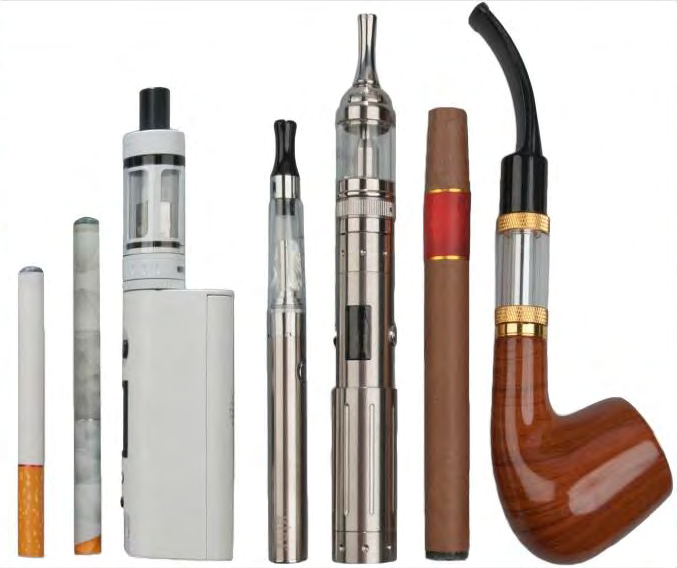
CBD vapes are electronic devices designed to vaporize cannabidiol (CBD) e-liquids, offering a rapid and efficient method of consumption. Unlike traditional smoking, vaping produces an aerosol rather than smoke, bypassing the combustion process and its associated harmful byproducts. These devices typically consist of a battery-powered heating element, a cartridge or tank containing CBD e-liquid, and a mouthpiece. The e-liquid itself is a mixture, usually featuring CBD extract, a carrier liquid like propylene glycol (PG) or vegetable glycerin (VG), and flavorings. The market for CBD vapes has exploded since the legalization of hemp-derived CBD in the United States, creating a multi-billion dollar industry characterized by rapid innovation, diverse product offerings, and ongoing regulatory scrutiny. While proponents tout their convenience and fast-acting effects for wellness and relaxation, concerns persist regarding product safety, accurate labeling, and the long-term health impacts of inhalation.
🎵 Origins & History
The concept of inhaling cannabinoids for therapeutic or recreational purposes predates modern technology, with historical evidence suggesting the use of heated cannabis in ancient cultures. However, the advent of modern CBD vapes is intrinsically linked to the evolution of electronic cigarettes (e-cigarettes), which first emerged in the early 2000s. As research into CBD's potential benefits grew, particularly after the legalization of hemp-derived CBD in the U.S., entrepreneurs and manufacturers saw an opportunity to combine this burgeoning cannabinoid with existing vaping technology. Early CBD vape products often mimicked the design of nicotine e-cigarettes, utilizing pre-filled cartridges and disposable pens, quickly establishing a niche within the broader wellness and alternative health markets.
⚙️ How It Works
At its core, a CBD vape device functions by heating a specialized e-liquid to a temperature that vaporizes the cannabinoids and other components without combustion. The primary components include a battery (often a lithium-ion battery) that provides power, an atomizer (a heating coil, typically made of Kanthal or Nichrome) that heats the e-liquid, and a reservoir (cartridge or tank) holding the liquid. When activated, either by inhaling (draw-activated) or pressing a button, the battery sends current to the atomizer, which heats the e-liquid. This process transforms the liquid into an inhalable aerosol, a fine mist containing CBD, carrier liquids like propylene glycol (PG) and vegetable glycerin (VG), and flavorings. The user inhales this aerosol, allowing the CBD to be rapidly absorbed into the bloodstream through the lungs, leading to quicker onset of effects compared to oral consumption methods.
📊 Key Facts & Numbers
The global CBD market is a colossal entity. Within this, the CBD vape market constitutes a significant segment. Disposable CBD vape pens, a popular format, often contain between 0.5mL and 2mL of e-liquid, with CBD concentrations ranging from 200mg to over 1000mg per unit. The average price for a quality CBD vape cartridge can range from $30 to $60, while disposable pens might cost between $20 and $40. Regulatory shifts continue to impact market dynamics, with some states implementing stricter controls on vape product sales and labeling, influencing consumer access and manufacturer strategies.
👥 Key People & Organizations
Key players in the CBD vape industry include both established e-liquid manufacturers and specialized CBD brands. Companies like CBDfx, Charlotte's Web, and Joy Organics have carved out significant market share by focusing on product quality, third-party lab testing, and diverse product lines. The U.S. Hemp Authority is a self-regulatory organization that provides certification for CBD products, aiming to instill consumer confidence. On the technological side, companies developing advanced battery technology and atomizer designs, such as those found in high-end vaping device manufacturers, indirectly influence the CBD vape sector. Regulatory bodies like the Food and Drug Administration (FDA) in the U.S. play a crucial role in shaping the industry's future through policy and enforcement actions.
🌍 Cultural Impact & Influence
CBD vapes have profoundly influenced wellness culture, offering a discreet and convenient way for individuals to incorporate CBD into their daily routines. They have become a staple in smoke shops, health food stores, and online marketplaces, reflecting a broader societal shift towards alternative health solutions. The rapid absorption offered by vaping has positioned these products as a go-to for quick relief from stress, anxiety, or discomfort, resonating with a demographic seeking immediate results. Furthermore, the aesthetic and design elements of many CBD vape devices have contributed to their cultural cachet, often aligning with minimalist or tech-forward lifestyle trends popularized on platforms like Instagram and TikTok. The visual appeal and ease of use have demystified cannabinoid consumption for many.
⚡ Current State & Latest Developments
The current landscape of CBD vapes is marked by intense competition and ongoing innovation. Manufacturers are continuously developing new formulations, including full-spectrum CBD (containing other cannabinoids like THC and cannabinoids) and broad-spectrum CBD (THC-free but retaining other compounds), as well as unique flavor profiles. The rise of disposable vape pens, offering ultimate convenience, continues to dominate market share, though concerns about environmental impact are growing. Simultaneously, there's a push towards more sophisticated reusable devices with precise temperature control and advanced coil technology, catering to a more discerning consumer. Regulatory actions, particularly from the FDA regarding marketing claims and product safety, are a constant factor shaping product development and distribution strategies.
🤔 Controversies & Debates
The most significant controversy surrounding CBD vapes revolves around product safety and regulation. Concerns have been raised about the potential presence of harmful contaminants like pesticides, heavy metals, and residual solvents in some products, particularly those not subjected to rigorous third-party testing. The use of Vitamin E acetate as a thickening agent in some illicit THC vapes led to a widespread outbreak of E-cigarette or Vaping Product Use-Associated Lung Injury (EVALI) in 2019, heightening scrutiny on all inhaled cannabinoid products. Debates also persist regarding the long-term health effects of inhaling PG and VG, and the potential for CBD vapes to act as a gateway to other substances.
🔮 Future Outlook & Predictions
The future of CBD vapes is likely to be shaped by evolving regulatory frameworks and advancements in product technology. We can anticipate increased demand for products that undergo stringent, standardized testing and possess clear labeling regarding CBD content and potential contaminants. The development of novel delivery systems, perhaps incorporating nanotechnology for enhanced bioavailability or targeted effects, is a strong possibility. As research into CBD's therapeutic applications expands, we may see the emergence of specialized CBD vape formulations designed for specific wellness goals, moving beyond general relaxation. However, potential regulatory crackdowns on flavored vapes or stricter controls on online sales could also significantly alter the market's trajectory, potentially favoring more traditional, less innovative products or driving consumers towards alternative consumption methods like CBD tinctures or CBD edibles.
💡 Practical Applications
CBD vapes offer a practical application for individuals seeking rapid relief from symptoms such as anxiety, stress, pain, or insomnia. Their fast absorption rate through the lungs means users can experience effects within minutes, making them ideal for acute discomfort. Beyond personal wellness, CBD vapes are also explored in research settings for their potential therapeutic applications, though clinical trials are still in their early stages. For consumers, practical applications include discreet use in situations where other consumption methods might be inconvenient or socially unacceptable. The ease of use also makes them accessible to individuals who may not have experience
Key Facts
- Category
- technology
- Type
- topic