
Contents
- 🎯 Origins & History
- ⚔️ How It Works
- 📊 Key Facts & Numbers
- 👥 Key People & Organizations
- 🌎 Cultural Impact & Influence
- ⚡ Current State & Latest Developments
- 🤔 Controversies & Debates
- 🔮 Future Outlook & Predictions
- 💡 Practical Applications
- 📚 Related Topics & Deeper Reading
- Frequently Asked Questions
- References
- Related Topics
Overview
The Mexican drug war, an ongoing conflict between the Mexican government and various drug trafficking syndicates, has resulted in staggering statistics. Since the military intervention in 2006, the conflict has claimed over 300,000 lives, with some estimates suggesting that the cartels generate between $13.6 and $49.4 billion annually from illicit drug sales. The war has its roots in the demise of the Colombian Cali and Medellín cartels in the 1990s and the fragmentation of the Guadalajara Cartel in the late 1980s. With the rise of notorious cartels like the Sinaloa Cartel and the Los Zetas, the conflict has become a major concern for global security. As of 2022, the Mexican government has reported a significant increase in homicides, with over 30,000 murders recorded in 2021 alone. The conflict has also led to a significant displacement of people, with over 300,000 internally displaced persons in Mexico. The economic toll of the war is also substantial, with estimates suggesting that the conflict has cost the Mexican economy over $100 billion since 2006. The international community, including the United States and the United Nations, has been involved in efforts to combat the cartels and reduce drug-related violence. However, the conflict remains a complex and challenging issue, with no clear end in sight.
🎯 Origins & History
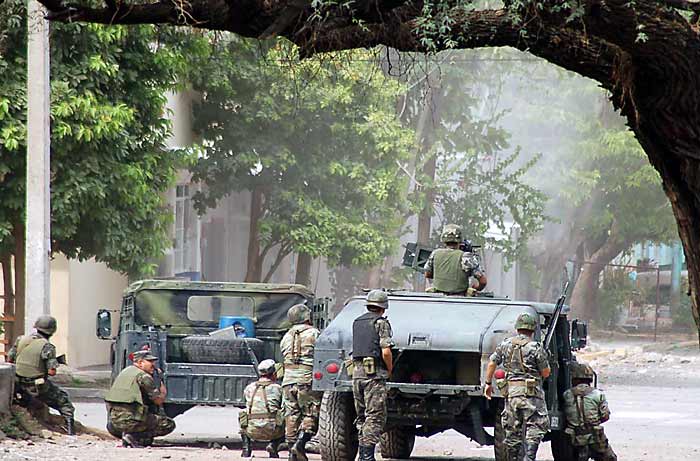
The Mexican drug war has its roots in the 1980s and 1990s, when the Colombian Cali and Medellín cartels dominated the global cocaine trade. However, after the demise of these cartels, Mexican drug trafficking organizations like the Guadalajara Cartel and the Juárez Cartel began to rise to prominence. The conflict formally began with President Felipe Calderón launching Operation Michoacán in 2006, which deployed tens of thousands of federal troops to the state of Michoacán to combat the cartels. Since then, the conflict has escalated, with the rise of notorious cartels like the Sinaloa Cartel and the Los Zetas.
⚔️ How It Works
The Mexican drug war is a complex and multifaceted conflict, involving various drug trafficking syndicates, government forces, and other actors. The cartels use a range of tactics, including violence, intimidation, and bribery, to maintain their power and control over the drug trade. The Mexican government has responded with a range of strategies, including military intervention, law enforcement efforts, and social programs aimed at reducing poverty and inequality. However, the conflict remains a major challenge, with the cartels continuing to adapt and evolve in response to government efforts. The United States has also been involved in the conflict, providing military aid and training to the Mexican government, as well as conducting its own operations against the cartels.
📊 Key Facts & Numbers
The statistics surrounding the Mexican drug war are staggering. Since 2006, over 300,000 people have been killed in the conflict, with some estimates suggesting that the cartels generate between $13.6 and $49.4 billion annually from illicit drug sales. The conflict has also led to a significant displacement of people, with over 300,000 internally displaced persons in Mexico. The economic toll of the war is also substantial, with estimates suggesting that the conflict has cost the Mexican economy over $100 billion since 2006. The conflict has also had a significant impact on the environment, with the cartels involved in deforestation, pollution, and other environmental crimes. The World Bank has estimated that the conflict has reduced Mexico's GDP by over 1% per year.
👥 Key People & Organizations
The Mexican drug war involves a range of key people and organizations, including the Mexican government, the cartels, and other actors. President Felipe Calderón was a key figure in the early years of the conflict, launching Operation Michoacán in 2006. Other notable figures include Joaquín Guzmán, the leader of the Sinaloa Cartel, and Miguel Ángel Osorio Chong, the former Mexican Secretary of the Interior. The cartels themselves are also major players in the conflict, with the Sinaloa Cartel and the Los Zetas being two of the most notorious. The FBI and the DEA have also been involved in the conflict, providing training and support to the Mexican government.
🌎 Cultural Impact & Influence
The Mexican drug war has had a significant cultural impact, both in Mexico and around the world. The conflict has been the subject of numerous books, films, and television shows, including the popular Netflix series Narcos. The conflict has also had a significant impact on music, with many artists using their music to speak out against the violence and corruption associated with the cartels. The conflict has also led to a significant increase in migration to the United States, with many people fleeing the violence and poverty associated with the war. The United Nations has estimated that the conflict has led to over 1 million migrants fleeing Mexico since 2006.
⚡ Current State & Latest Developments
As of 2022, the Mexican drug war remains a major concern for global security. The conflict has continued to escalate, with the rise of new cartels and the continued violence and corruption associated with the drug trade. The Mexican government has continued to respond with military force, but the conflict remains a complex and challenging issue. The United States has also continued to be involved in the conflict, providing military aid and training to the Mexican government. However, the conflict remains a major challenge, with no clear end in sight. The European Union has also been involved in efforts to combat the cartels, providing funding and support to the Mexican government.
🤔 Controversies & Debates
The Mexican drug war is a highly controversial and debated topic, with many different perspectives on the conflict. Some argue that the conflict is a result of the Mexican government's failure to address the root causes of the violence, such as poverty and inequality. Others argue that the conflict is a result of the United States's war on drugs, which has led to the militarization of the border and the rise of the cartels. The conflict has also been the subject of numerous human rights abuses, with many people being killed or displaced by the violence. The Human Rights Watch has estimated that over 10,000 people have been disappeared by the cartels since 2006.
🔮 Future Outlook & Predictions
Looking to the future, it is difficult to predict how the Mexican drug war will unfold. However, it is clear that the conflict will continue to be a major challenge for global security, with the cartels continuing to adapt and evolve in response to government efforts. The Mexican government will need to continue to respond with a range of strategies, including military force, law enforcement efforts, and social programs aimed at reducing poverty and inequality. The United States and other international actors will also need to continue to be involved in the conflict, providing support and funding to the Mexican government. The IMF has estimated that the conflict will continue to cost the Mexican economy over $10 billion per year.
💡 Practical Applications
The Mexican drug war has a range of practical applications, both in terms of policy and in terms of individual action. The conflict highlights the need for a comprehensive approach to addressing the root causes of the violence, such as poverty and inequality. It also highlights the need for international cooperation and support, with the United States and other countries providing funding and training to the Mexican government. Individuals can also take action, by supporting organizations that work to reduce poverty and inequality in Mexico, and by speaking out against the violence and corruption associated with the cartels. The Red Cross has estimated that over 100,000 people have been helped by their programs in Mexico since 2006.
Key Facts
- Year
- 2006
- Origin
- Mexico
- Category
- history
- Type
- concept
Frequently Asked Questions
What is the Mexican drug war?
The Mexican drug war is an ongoing conflict between the Mexican government and various drug trafficking syndicates. The conflict began in 2006, when President Felipe Calderón launched Operation Michoacán, and has since resulted in over 300,000 deaths and significant displacement of people. The conflict is a major concern for global security, with the cartels continuing to adapt and evolve in response to government efforts. The United States has been involved in the conflict, providing military aid and training to the Mexican government.
Who are the main players in the Mexican drug war?
The main players in the Mexican drug war include the Mexican government, the cartels, and other actors. The Mexican government has been led by a range of presidents, including Felipe Calderón and Enrique Peña Nieto. The cartels are led by a range of notorious figures, including Joaquín Guzmán and Miguel Ángel Osorio Chong. The United States has also been involved in the conflict, providing support and funding to the Mexican government.
What are the statistics surrounding the Mexican drug war?
The statistics surrounding the Mexican drug war are staggering. Since 2006, over 300,000 people have been killed in the conflict, with some estimates suggesting that the cartels generate between $13.6 and $49.4 billion annually from illicit drug sales. The conflict has also led to a significant displacement of people, with over 300,000 internally displaced persons in Mexico. The economic toll of the war is also substantial, with estimates suggesting that the conflict has cost the Mexican economy over $100 billion since 2006.
What is the current state of the Mexican drug war?
As of 2022, the Mexican drug war remains a major concern for global security. The conflict has continued to escalate, with the rise of new cartels and the continued violence and corruption associated with the drug trade. The Mexican government has continued to respond with military force, but the conflict remains a complex and challenging issue. The United States has also continued to be involved in the conflict, providing military aid and training to the Mexican government.
What are the practical applications of the Mexican drug war?
The Mexican drug war has a range of practical applications, both in terms of policy and in terms of individual action. The conflict highlights the need for a comprehensive approach to addressing the root causes of the violence, such as poverty and inequality. It also highlights the need for international cooperation and support, with the United States and other countries providing funding and training to the Mexican government. Individuals can also take action, by supporting organizations that work to reduce poverty and inequality in Mexico, and by speaking out against the violence and corruption associated with the cartels.
What are the related topics to the Mexican drug war?
The Mexican drug war is a complex and multifaceted topic, with a range of related topics and deeper reading paths. Some of the key related topics include the war on drugs, the Mexican government, and the Sinaloa Cartel. Deeper reading paths might include books such as Narcos and The Cartel, as well as academic articles and research papers on the topic.
What is the future outlook for the Mexican drug war?
Looking to the future, it is difficult to predict how the Mexican drug war will unfold. However, it is clear that the conflict will continue to be a major challenge for global security, with the cartels continuing to adapt and evolve in response to government efforts. The Mexican government will need to continue to respond with a range of strategies, including military force, law enforcement efforts, and social programs aimed at reducing poverty and inequality. The United States and other international actors will also need to continue to be involved in the conflict, providing support and funding to the Mexican government.
What are the controversies surrounding the Mexican drug war?
The Mexican drug war is a highly controversial and debated topic, with many different perspectives on the conflict. Some argue that the conflict is a result of the Mexican government's failure to address the root causes of the violence, such as poverty and inequality. Others argue that the conflict is a result of the United States's war on drugs, which has led to the militarization of the border and the rise of the cartels. The conflict has also been the subject of numerous human rights abuses, with many people being killed or displaced by the violence.
What are the cultural impacts of the Mexican drug war?
The Mexican drug war has had a significant cultural impact, both in Mexico and around the world. The conflict has been the subject of numerous books, films, and television shows, including the popular Netflix series Narcos. The conflict has also had a significant impact on music, with many artists using their music to speak out against the violence and corruption associated with the cartels. The conflict has also led to a significant increase in migration to the United States, with many people fleeing the violence and poverty associated with the war.