
Contents
Overview
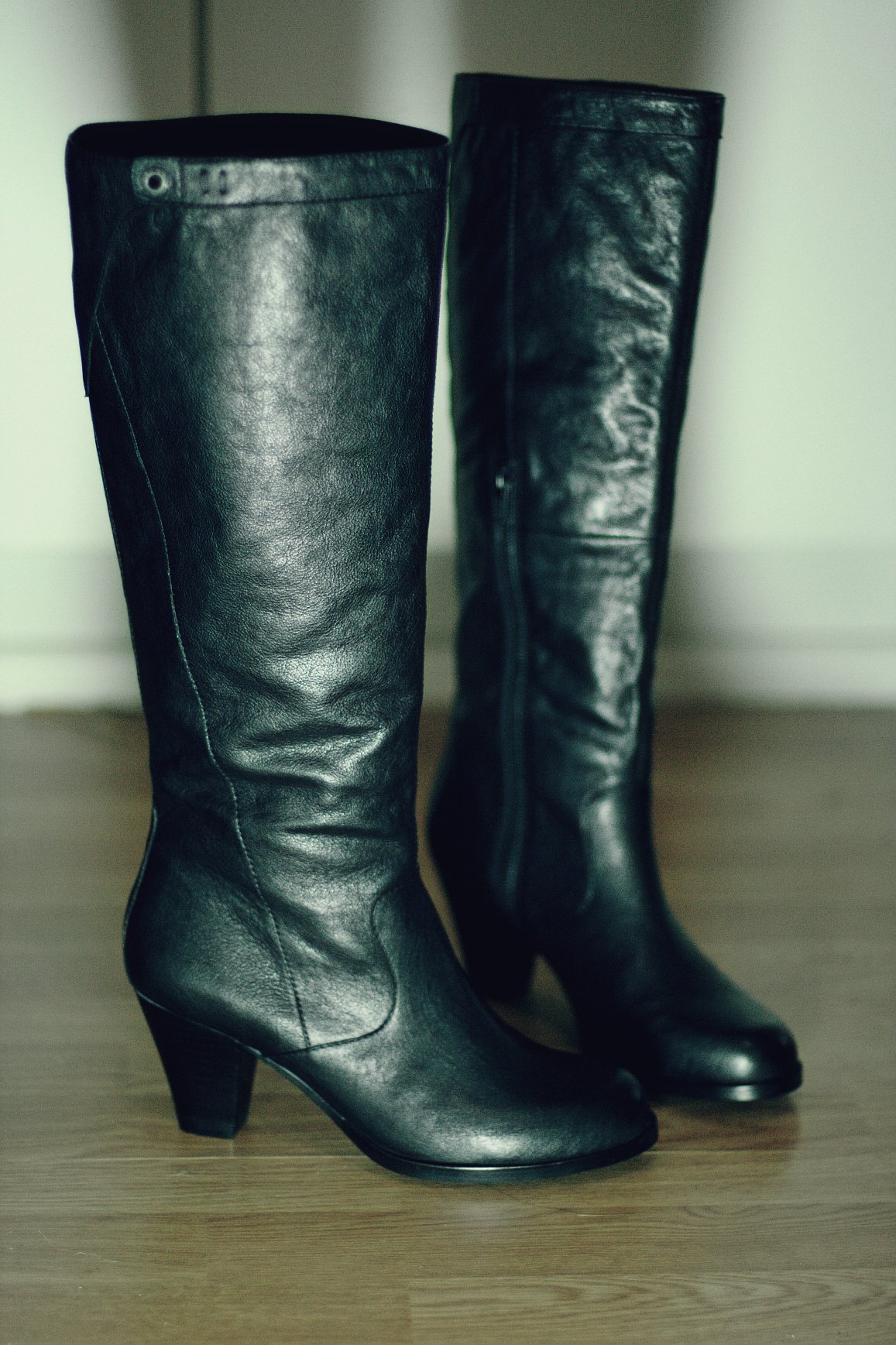
Boot styles encompass a vast and dynamic category of footwear, historically rooted in protection and practicality but evolving into significant fashion statements across genders and cultures. Ranging from ankle-grazing Chelsea boots to knee-high riding boots and daring thigh-high stilettos, these designs serve diverse aesthetic and functional purposes. Their journey from the battlefield and workshop to the runway reflects shifting societal norms, technological advancements in materials and manufacturing, and the enduring human desire for both comfort and self-expression through attire. The global market for boots is substantial, with specific styles often tied to subcultures, seasonal trends, and regional influences, making the humble boot a complex artifact of material culture.
🎵 Origins & History
Early boot iterations were likely crafted from animal hides crudely wrapped and tied, offering rudimentary defense for hunters and warriors. True boots gained traction with the Roman military's need for robust, ankle-supporting footwear. Throughout the Middle Ages, boots became more specialized, with knights donning heavy, protective leg armor that integrated footwear, and travelers favoring sturdy, knee-high designs for long journeys. The Hessian boot was favored by cavalry in the 17th and 18th centuries. The industrial revolution democratized boot production, making them accessible beyond the elite and military.
⚙️ How It Works
The construction of a boot style involves a complex interplay of materials, design, and manufacturing techniques, all tailored to its intended purpose and aesthetic. The core components typically include the sole (outsole, midsole, and insole), the upper (the part covering the foot and ankle/leg), and the shaft. Materials range from traditional leather and rubber to modern synthetics like PVC, nylon, and Gore-Tex. The upper is often constructed from multiple panels stitched together, with reinforcements at stress points. Lacing systems, zippers, buckles, and elasticated panels (as seen in Chelsea boots) are common closure mechanisms, influencing both fit and style. The heel height and shape, the toe box profile (e.g., pointed, rounded, square), and the overall silhouette are critical design elements that define a specific boot style, from the rugged durability of a work boot to the sleek elegance of a stiletto heel boot.
📊 Key Facts & Numbers
The global footwear market is substantial, with specific styles often tied to subcultures, seasonal trends, and regional influences, making the humble boot a complex artifact of material culture.
👥 Key People & Organizations
The evolution of boot styles is inextricably linked to influential figures and pioneering brands. Brands such as Dr. Martens championed the rugged, anti-establishment combat boot. More recently, designers like Manolo Blahnik have elevated the thigh-high boot to a symbol of high fashion and sensuality.
🌍 Cultural Impact & Influence
Boot styles have profoundly shaped and reflected cultural movements, from utilitarian workwear to symbols of rebellion and luxury. The cowboy boot, originating in the American West, became an enduring symbol of rugged individualism and Americana, adopted by ranchers, musicians, and fashion enthusiasts alike. Combat boots, originally designed for military use, were embraced by punk and grunge subcultures in the late 20th century as a statement of defiance and utilitarian chic, with Dr. Martens becoming synonymous with this movement. The motorcycle boot evolved from protective gear for riders into a symbol of freedom and rebellion, often associated with biker culture and rock and roll. In high fashion, designers continuously reinterpret boot styles, from the elegant riding boot to the provocative thigh-high boot, influencing mainstream trends and dictating seasonal must-haves.
⚡ Current State & Latest Developments
The current landscape of boot styles is characterized by a blend of heritage designs and innovative material applications. Classic silhouettes like the Chelsea boot, combat boot, and work boot remain perennial favorites, often updated with sustainable materials or subtle design tweaks. The rise of athleisure has also influenced boot design, leading to hybrid styles that incorporate sneaker-like comfort and performance features into boot constructions. Brands are increasingly focusing on sustainability, with a growing number of vegan leather boots and boots made from recycled materials entering the market. Furthermore, technological integration, such as smart sensors in hiking boots or advanced waterproofing in outdoor styles, is becoming more prevalent. The influence of social media platforms like Instagram and TikTok continues to drive micro-trends, rapidly popularizing and sometimes discarding specific boot aesthetics.
🤔 Controversies & Debates
The categorization of boots into 'fashion' versus 'utility' is a persistent point of contention. Critics argue that this distinction is increasingly blurred, as highly engineered hiking boots or durable work boots are often adopted for their aesthetic appeal. The ethical implications of material sourcing, particularly regarding leather and exotic skins, remain a significant debate, fueling the growth of vegan leather alternatives. Furthermore, the rapid cycle of trends driven by fast fashion raises concerns about overconsumption and the environmental impact of boot production and disposal. Debates also arise around the authenticity and appropriation of styles originating from specific cultural contexts, such as the cowboy boot or Native American-inspired boots, when adopted by mainstream fashion without proper acknowledgment.
🔮 Future Outlook & Predictions
The future of boot styles will likely be shaped by continued advancements in material science, a greater emphasis on sustainability, and the persistent influence of digital culture. Expect to see more bio-based and recycled materials integrated into boot construction, potentially offering enhanced performance and reduced environmental impact. The integration of smart technology may become more sophisticated, moving beyond basic tracking to include features like adaptive cushioning or climate control. As the lines between different footwear categories continue to blur, we may see further hybridization, with boots incorporating elements from sneakers, sandals, and even performance wear. The enduring appeal of classic styles suggests they will remain relevant, albeit subject to continuous reinvention by designers responding to evolving aesthetic sensibilities and societal values. The concept of 'circular fashion,' where boots are designed for disassembly and recycling, could also become a significant driver.
💡 Practical Applications
Boot styles find application across an astonishingly broad spectrum of human activity. In the realm of outdoor recreation, specialized boots like hiking boots, [[mountaineeri
Key Facts
- Category
- aesthetics
- Type
- topic