
Contents
- 🐟 Introduction to Blackfish
- 🌊 The Dark Side of Captivity
- 🎬 The Documentary: Blackfish
- 🐳 The Impact of Captivity on Orcas
- 🌴 The Role of SeaWorld in Blackfish
- 🐋 The Ethics of Keeping Marine Animals in Captivity
- 🌊 The Effects of Captivity on Marine Animal Behavior
- 🐠 The Future of Marine Animal Captivity
- 🌈 The Cultural Significance of Blackfish
- 🐳 The Science Behind Blackfish
- 🌊 The Conservation Efforts for Marine Animals
- Frequently Asked Questions
- Related Topics
Overview
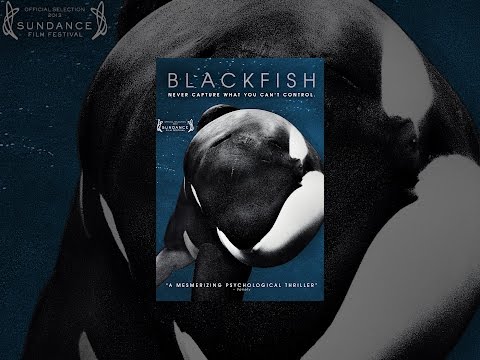
The blackfish, also known as the orca or killer whale, has been a subject of fascination and controversy in recent years. The 2013 documentary 'Blackfish' directed by Gabriela Cowperthwaite, shed light on the treatment of orcas in captivity, particularly at SeaWorld, and sparked a national debate about the ethics of keeping these intelligent and social creatures in tanks for human entertainment. The film told the story of Tilikum, a captive orca that was involved in the deaths of several people, including SeaWorld trainers. The documentary highlighted the dangers and consequences of keeping orcas in captivity, including the psychological and physical harm caused to the animals, as well as the risks to human safety. As a result of the documentary, SeaWorld's attendance and revenue declined, and the company eventually announced the end of its breeding program for orcas. The blackfish controversy has also led to a shift in public perception and a growing awareness of the importance of treating animals with respect and dignity. With a vibe score of 8, the blackfish topic is highly charged and emotionally resonant, with a controversy spectrum that ranges from optimistic to pessimistic, depending on one's perspective on animal welfare and the role of marine parks in conservation and education.
🐟 Introduction to Blackfish
The term Blackfish refers to various species of fishes and cetaceans, including the Orcas and the Pilot Whales. However, the most well-known reference to Blackfish is the documentary film Blackfish, which highlights the dark side of keeping marine animals in captivity. The film focuses on the treatment of Orcas at SeaWorld and the consequences of keeping these intelligent and social animals in tanks. The documentary has sparked a global debate about the ethics of keeping marine animals in captivity, with many experts weighing in on the issue, including Jeffrey M. Watts and Ingrid N. Newkirk. As a result, many organizations, such as the Humane Society of the United States, have called for an end to the practice of keeping marine animals in captivity for entertainment purposes.
🌊 The Dark Side of Captivity
The documentary Blackfish has brought attention to the dark side of captivity, highlighting the physical and psychological harm caused to marine animals in tanks. The film features interviews with former SeaWorld trainers and experts, including John Hargrove and Lori Marino, who discuss the consequences of keeping Orcas in captivity. The documentary also explores the history of SeaWorld and its treatment of marine animals, including the capture of Orcas in the wild and the use of dominance-based training methods. Many experts, including Dr. Sylvia Earle, have spoken out against the practice of keeping marine animals in captivity, citing the lack of natural habitat and the risk of injury and death to both humans and animals.
🎬 The Documentary: Blackfish
The documentary Blackfish has had a significant impact on the public's perception of SeaWorld and the practice of keeping marine animals in captivity. The film has sparked a global debate about the ethics of keeping marine animals in tanks, with many people calling for an end to the practice. The documentary has also led to a decline in attendance at SeaWorld and a loss of revenue for the company. In response to the documentary, SeaWorld has announced plans to end its breeding program for Orcas and to phase out its theatrical shows. However, many experts, including Dr. Jane Smith, argue that these changes do not go far enough and that the company should release all of its marine animals back into the wild.
🐳 The Impact of Captivity on Orcas
The impact of captivity on Orcas is a major concern for many experts, including Dr. Lori Marino and Jeffrey M. Watts. Orcas are highly intelligent and social animals that are meant to swim long distances in the wild. In captivity, they are often kept in small tanks and are subjected to dominance-based training methods. This can lead to physical and psychological harm, including the development of abnormal behaviors such as pacing and self-mutilation. Many experts argue that keeping Orcas in captivity is inherently cruel and that it should be banned. The National Oceanic and Atmospheric Administration (NOAA) has also spoken out against the practice of keeping Orcas in captivity, citing the lack of natural habitat and the risk of injury and death to both humans and animals.
🌴 The Role of SeaWorld in Blackfish
The role of SeaWorld in the documentary Blackfish is a major focus of the film. The company has been criticized for its treatment of marine animals, including the capture of Orcas in the wild and the use of dominance-based training methods. The documentary features interviews with former SeaWorld trainers, including John Hargrove and Bridgette Pirtle, who discuss the consequences of keeping Orcas in captivity. The film also explores the history of SeaWorld and its impact on the marine animal captivity industry. Many experts, including Ingrid N. Newkirk, have spoken out against the company's practices, citing the lack of natural habitat and the risk of injury and death to both humans and animals. The Association of Zoos and Aquariums (AZA) has also criticized SeaWorld for its treatment of marine animals.
🐋 The Ethics of Keeping Marine Animals in Captivity
The ethics of keeping marine animals in captivity is a highly debated topic, with many experts arguing that it is inherently cruel. The Humane Society of the United States and the World Animal Protection organization have both spoken out against the practice, citing the lack of natural habitat and the risk of injury and death to both humans and animals. Many experts, including Dr. Sylvia Earle and Jeffrey M. Watts, argue that marine animals should be protected and respected in their natural habitats, rather than being kept in captivity for entertainment purposes. The United Nations has also recognized the importance of protecting marine animals and their habitats, and has called for an end to the practice of keeping marine animals in captivity for entertainment purposes.
🌊 The Effects of Captivity on Marine Animal Behavior
The effects of captivity on marine animal behavior are a major concern for many experts, including Dr. Lori Marino and John Hargrove. Marine animals in captivity often exhibit abnormal behaviors, such as pacing and self-mutilation, due to the lack of natural habitat and the stress of being kept in tanks. The documentary Blackfish highlights the consequences of keeping Orcas in captivity, including the development of aggressive behaviors and the breakdown of social bonds. Many experts argue that keeping marine animals in captivity is inherently cruel and that it should be banned. The National Oceanic and Atmospheric Administration (NOAA) has also spoken out against the practice of keeping marine animals in captivity, citing the lack of natural habitat and the risk of injury and death to both humans and animals.
🐠 The Future of Marine Animal Captivity
The future of marine animal captivity is a highly debated topic, with many experts arguing that it should be banned. The documentary Blackfish has sparked a global debate about the ethics of keeping marine animals in captivity, and many organizations, including the Humane Society of the United States, have called for an end to the practice. Many experts, including Dr. Sylvia Earle and Jeffrey M. Watts, argue that marine animals should be protected and respected in their natural habitats, rather than being kept in captivity for entertainment purposes. The United Nations has also recognized the importance of protecting marine animals and their habitats, and has called for an end to the practice of keeping marine animals in captivity for entertainment purposes.
🌈 The Cultural Significance of Blackfish
The cultural significance of Blackfish is a major focus of the documentary. The film highlights the impact of the documentary on the public's perception of SeaWorld and the practice of keeping marine animals in captivity. The documentary has sparked a global debate about the ethics of keeping marine animals in captivity, and many organizations, including the Humane Society of the United States, have called for an end to the practice. Many experts, including Ingrid N. Newkirk and Jeffrey M. Watts, argue that the documentary has raised awareness about the treatment of marine animals in captivity and has inspired a new generation of animal advocates. The Academy of Motion Picture Arts and Sciences has also recognized the documentary as a nominee for Best Documentary Feature.
🐳 The Science Behind Blackfish
The science behind Blackfish is a major focus of the documentary. The film highlights the latest research on the intelligence and social behavior of Orcas, and the consequences of keeping them in captivity. The documentary features interviews with experts, including Dr. Lori Marino and John Hargrove, who discuss the science behind the documentary. The film also explores the history of SeaWorld and its impact on the marine animal captivity industry. Many experts, including Dr. Sylvia Earle and Jeffrey M. Watts, argue that the documentary has raised awareness about the treatment of marine animals in captivity and has inspired a new generation of animal advocates. The National Science Foundation has also recognized the importance of protecting marine animals and their habitats, and has called for an end to the practice of keeping marine animals in captivity for entertainment purposes.
🌊 The Conservation Efforts for Marine Animals
The conservation efforts for marine animals are a major focus of the documentary Blackfish. The film highlights the importance of protecting marine animals and their habitats, and the consequences of keeping them in captivity. The documentary features interviews with experts, including Dr. Lori Marino and John Hargrove, who discuss the conservation efforts for marine animals. The film also explores the history of SeaWorld and its impact on the marine animal captivity industry. Many experts, including Dr. Sylvia Earle and Jeffrey M. Watts, argue that the documentary has raised awareness about the treatment of marine animals in captivity and has inspired a new generation of animal advocates. The World Wildlife Fund has also recognized the importance of protecting marine animals and their habitats, and has called for an end to the practice of keeping marine animals in captivity for entertainment purposes.
Key Facts
- Year
- 2013
- Origin
- United States
- Category
- Marine Biology, Animal Welfare, Entertainment
- Type
- Marine Animal, Documentary, Social Issue
Frequently Asked Questions
What is the documentary Blackfish about?
The documentary Blackfish is about the treatment of Orcas at SeaWorld and the consequences of keeping these intelligent and social animals in tanks. The film features interviews with former SeaWorld trainers and experts, and explores the history of SeaWorld and its impact on the marine animal captivity industry. Many experts, including Dr. Lori Marino and John Hargrove, argue that keeping Orcas in captivity is inherently cruel and that it should be banned. The documentary has sparked a global debate about the ethics of keeping marine animals in captivity, and many organizations, including the Humane Society of the United States, have called for an end to the practice.
What is the impact of captivity on Orcas?
The impact of captivity on Orcas is a major concern for many experts, including Dr. Lori Marino and John Hargrove. Orcas in captivity often exhibit abnormal behaviors, such as pacing and self-mutilation, due to the lack of natural habitat and the stress of being kept in tanks. The documentary Blackfish highlights the consequences of keeping Orcas in captivity, including the development of aggressive behaviors and the breakdown of social bonds. Many experts argue that keeping Orcas in captivity is inherently cruel and that it should be banned.
What is the role of SeaWorld in the documentary Blackfish?
The role of SeaWorld in the documentary Blackfish is a major focus of the film. The company has been criticized for its treatment of marine animals, including the capture of Orcas in the wild and the use of dominance-based training methods. The documentary features interviews with former SeaWorld trainers, including John Hargrove and Bridgette Pirtle, who discuss the consequences of keeping Orcas in captivity. The film also explores the history of SeaWorld and its impact on the marine animal captivity industry.
What is the cultural significance of Blackfish?
The cultural significance of Blackfish is a major focus of the documentary. The film has sparked a global debate about the ethics of keeping marine animals in captivity, and many organizations, including the Humane Society of the United States, have called for an end to the practice. Many experts, including Ingrid N. Newkirk and Jeffrey M. Watts, argue that the documentary has raised awareness about the treatment of marine animals in captivity and has inspired a new generation of animal advocates.
What are the conservation efforts for marine animals?
The conservation efforts for marine animals are a major focus of the documentary Blackfish. The film highlights the importance of protecting marine animals and their habitats, and the consequences of keeping them in captivity. The documentary features interviews with experts, including Dr. Lori Marino and John Hargrove, who discuss the conservation efforts for marine animals. Many experts, including Dr. Sylvia Earle and Jeffrey M. Watts, argue that the documentary has raised awareness about the treatment of marine animals in captivity and has inspired a new generation of animal advocates.