
Contents
- 🌿 Introduction to Biodiversity
- 🔬 The Role of Biodiversity Experts
- 🌟 Key Concepts in Biodiversity
- 📊 Biodiversity Metrics and Monitoring
- 🌎 Ecosystem Services and Human Well-being
- 🚨 Threats to Biodiversity
- 🌟 Conservation Efforts and Sustainable Practices
- 📚 Biodiversity in the Anthropocene
- 👥 Notable Biodiversity Experts
- 🔜 Future Directions in Biodiversity Research
- Frequently Asked Questions
- References
- Related Topics
Overview
Biodiversity experts are scientists who study the variability of life on Earth, encompassing genetic variability, species diversity, ecosystem diversity, and phylogenetic diversity. With a deep understanding of the complex relationships between species and their environments, these experts work to conserve and manage ecosystems, develop sustainable practices, and inform policy decisions. The field of biodiversity is crucial, as it has a significant impact on human well-being, economic development, and environmental sustainability. According to the United Nations, biodiversity loss is one of the most pressing issues of our time, with approximately 1 million species facing extinction. Biodiversity experts, such as Edward O. Wilson and Jane Lubchenco, have dedicated their careers to understanding and protecting the natural world. With the help of advanced technologies, such as Geographic Information Systems and Remote Sensing, biodiversity experts can now monitor and analyze ecosystems more effectively than ever before.
🌿 Introduction to Biodiversity
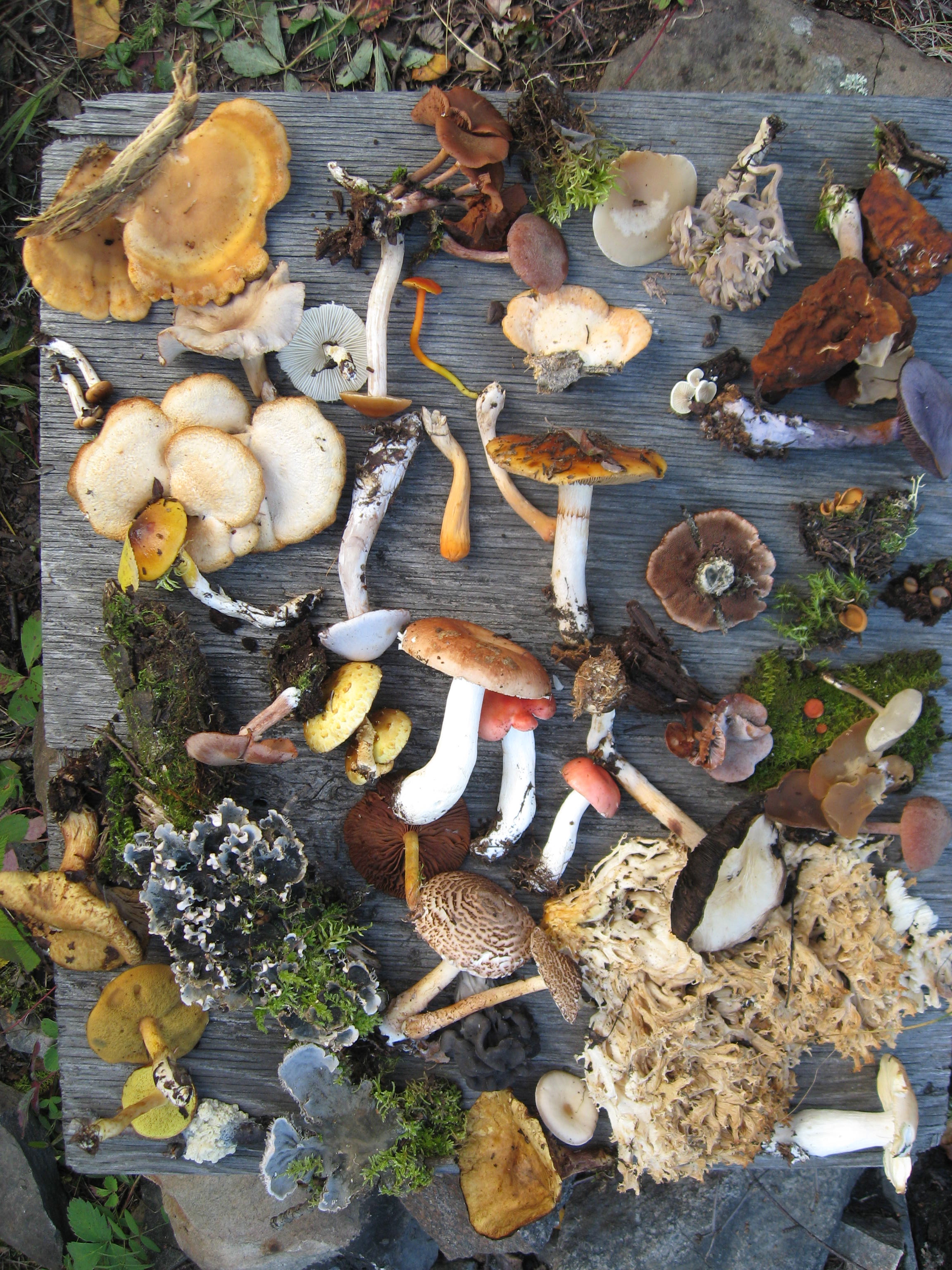
Introduction to biodiversity — Biodiversity is the variability of life on Earth, encompassing genetic variability, species diversity, ecosystem diversity, and phylogenetic diversity. This concept is crucial for understanding the complex relationships between species and their environments. For example, the Amazon Rainforest is home to an estimated 10% of all known plant and animal species, making it a critical component of global biodiversity.
🔬 The Role of Biodiversity Experts
The role of biodiversity experts — Biodiversity experts are scientists who study the variability of life on Earth. They work to conserve and manage ecosystems, develop sustainable practices, and inform policy decisions. These experts use a range of techniques, including Ecological Modeling and Species Distribution Modeling, to understand and predict the impacts of human activities on biodiversity.
🌟 Key Concepts in Biodiversity
Key concepts in biodiversity — Biodiversity can be measured on various levels, including genetic variability, species diversity, ecosystem diversity, and phylogenetic diversity. Understanding these concepts is essential for developing effective conservation strategies. For instance, the International Union for Conservation of Nature uses a system of categories to classify species based on their conservation status, from Least Concern to Extinct.
📊 Biodiversity Metrics and Monitoring
Biodiversity metrics and monitoring — Biodiversity experts use a range of metrics and monitoring techniques to assess the health of ecosystems. These include Species Abundance, Species Richness, and Ecosystem Services. For example, the Millennium Ecosystem Assessment used a combination of these metrics to evaluate the impact of human activities on ecosystem services.
🌎 Ecosystem Services and Human Well-being
Ecosystem services and human well-being — Biodiversity provides a range of ecosystem services that are essential for human well-being, including clean air and water, food, and climate regulation. Understanding the relationships between biodiversity and ecosystem services is critical for developing sustainable practices. The United Nations Environment Programme has recognized the importance of biodiversity in supporting human well-being, and has launched initiatives such as the Biodiversity for Food Security program.
🚨 Threats to Biodiversity
Threats to biodiversity — Human activities, such as deforestation, habitat destruction, and climate change, pose significant threats to biodiversity. Biodiversity experts work to understand and mitigate these impacts. For example, the Intergovernmental Panel on Climate Change has identified climate change as a major driver of biodiversity loss, and has called for urgent action to reduce greenhouse gas emissions.
🌟 Conservation Efforts and Sustainable Practices
Conservation efforts and sustainable practices — Biodiversity experts develop and implement conservation strategies to protect and restore ecosystems. These efforts include the creation of protected areas, such as National Parks and Wildlife Reserves, and the development of sustainable practices, such as Agroforestry and Permaculture.
📚 Biodiversity in the Anthropocene
Biodiversity in the Anthropocene — The Anthropocene is a new geological epoch characterized by significant human impacts on the environment. Biodiversity experts are working to understand the implications of the Anthropocene for biodiversity and ecosystem services. The Anthropocene Working Group has recognized the need for a new approach to conservation, one that takes into account the complex interactions between human and natural systems.
👥 Notable Biodiversity Experts
Notable biodiversity experts — There are many notable biodiversity experts who have made significant contributions to the field. These include Edward O. Wilson, Jane Lubchenco, and Stuart Pimm. Each of these experts has dedicated their career to understanding and protecting biodiversity, and has made significant contributions to the development of conservation strategies and sustainable practices.
🔜 Future Directions in Biodiversity Research
Future directions in biodiversity research — Biodiversity research is a rapidly evolving field, with new technologies and approaches being developed all the time. Future directions in biodiversity research include the use of Artificial Intelligence and Machine Learning to analyze large datasets and predict biodiversity trends.
Key Facts
- Year
- 2023
- Origin
- Global
- Category
- nature
- Type
- concept
Frequently Asked Questions
What is biodiversity?
Biodiversity is the variability of life on Earth, encompassing genetic variability, species diversity, ecosystem diversity, and phylogenetic diversity. It is essential for ecosystem services and human well-being. For example, the Amazon Rainforest is home to an estimated 10% of all known plant and animal species, making it a critical component of global biodiversity.
Why is biodiversity important?
Biodiversity is important because it provides a range of ecosystem services that are essential for human well-being, including clean air and water, food, and climate regulation. Understanding the relationships between biodiversity and ecosystem services is critical for developing sustainable practices. The United Nations Environment Programme has recognized the importance of biodiversity in supporting human well-being, and has launched initiatives such as the Biodiversity for Food Security program.
What are the main threats to biodiversity?
The main threats to biodiversity include human activities such as deforestation, habitat destruction, and climate change. These activities can lead to the loss of species, ecosystems, and ecosystem services. For example, the Intergovernmental Panel on Climate Change has identified climate change as a major driver of biodiversity loss, and has called for urgent action to reduce greenhouse gas emissions.
What can be done to conserve biodiversity?
Conservation efforts, such as the creation of protected areas and the development of sustainable practices, can help to protect and restore ecosystems. Additionally, individuals can make choices to reduce their impact on the environment, such as reducing energy consumption and using public transportation. The International Union for Conservation of Nature has recognized the importance of conservation efforts, and has launched initiatives such as the Red List to track the conservation status of species.
Who are some notable biodiversity experts?
Notable biodiversity experts include Edward O. Wilson, Jane Lubchenco, and Stuart Pimm. Each of these experts has dedicated their career to understanding and protecting biodiversity, and has made significant contributions to the development of conservation strategies and sustainable practices.
What is the future of biodiversity research?
The future of biodiversity research includes the use of new technologies, such as Artificial Intelligence and Machine Learning, to analyze large datasets and predict biodiversity trends. Additionally, there is a growing recognition of the importance of interdisciplinary approaches to biodiversity research, incorporating insights from ecology, conservation biology, and social sciences. The Anthropocene Working Group has recognized the need for a new approach to conservation, one that takes into account the complex interactions between human and natural systems.
How can I get involved in biodiversity conservation?
There are many ways to get involved in biodiversity conservation, including volunteering with local conservation organizations, participating in citizen science projects, and making sustainable lifestyle choices. The World Wildlife Fund has recognized the importance of individual action, and has launched initiatives such as the Earth Hour campaign to raise awareness about biodiversity conservation.
What is the impact of climate change on biodiversity?
Climate change is having a significant impact on biodiversity, with many species facing extinction due to changes in temperature and precipitation patterns. The Intergovernmental Panel on Climate Change has identified climate change as a major driver of biodiversity loss, and has called for urgent action to reduce greenhouse gas emissions. The United Nations Environment Programme has recognized the importance of addressing climate change, and has launched initiatives such as the Climate Action program to support countries in their efforts to reduce emissions.
How can we balance human needs with biodiversity conservation?
Balancing human needs with biodiversity conservation requires a nuanced approach that takes into account the complex relationships between human and natural systems. This can involve developing sustainable practices, such as Agroforestry and Permaculture, and implementing conservation efforts, such as the creation of protected areas. The United Nations Environment Programme has recognized the importance of balancing human needs with biodiversity conservation, and has launched initiatives such as the Sustainable Development Goals to support countries in their efforts to achieve sustainable development.
What is the role of policy in biodiversity conservation?
Policy plays a critical role in biodiversity conservation, as it can provide a framework for conservation efforts and support the development of sustainable practices. The United Nations Environment Programme has recognized the importance of policy in biodiversity conservation, and has launched initiatives such as the Biodiversity Policy program to support countries in their efforts to develop effective conservation policies.