
Contents
Overview
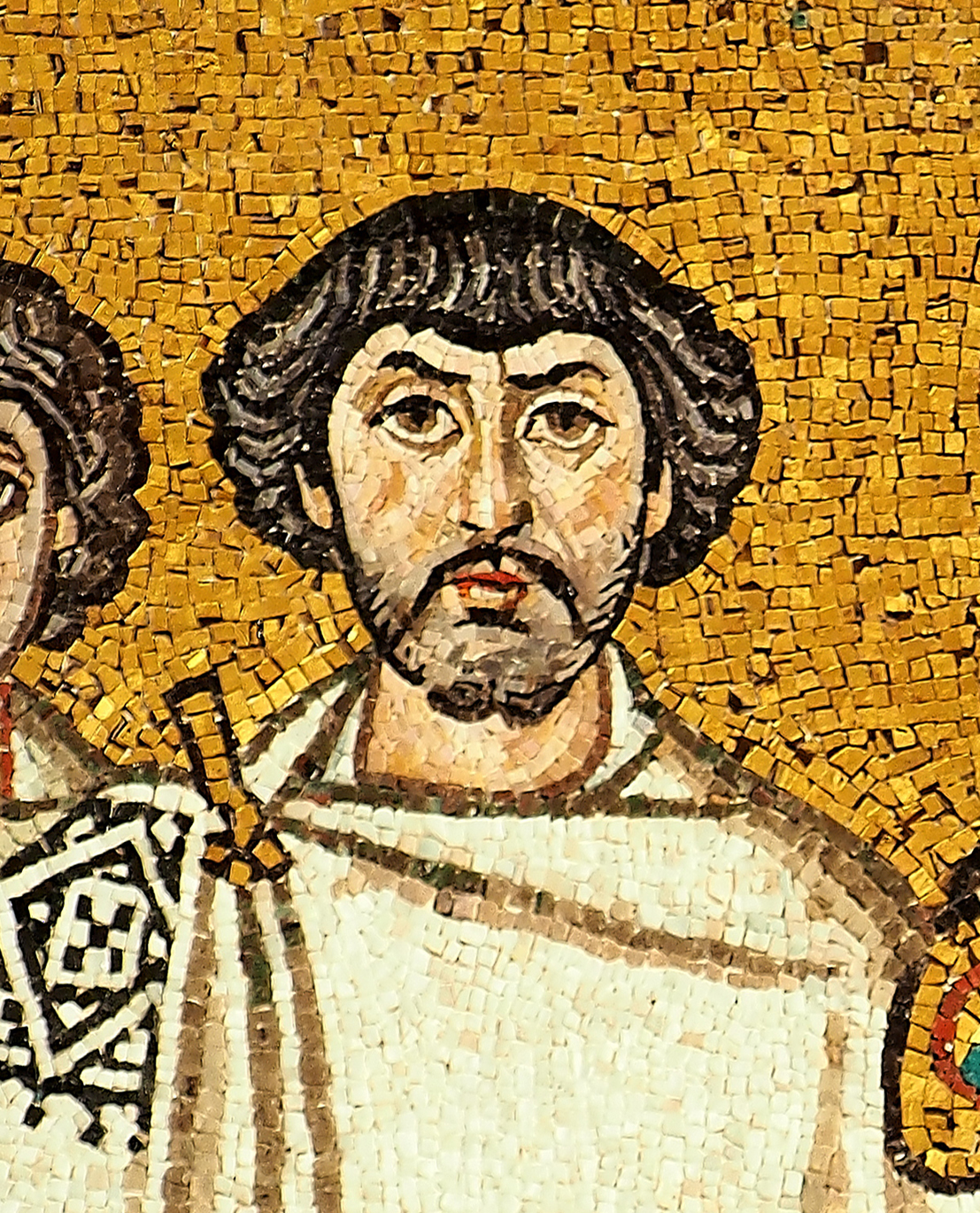
Belisarius was born around 500 AD, during a time of great turmoil in the Byzantine Empire. He rose to prominence under the reign of Emperor Justinian I, who recognized his exceptional military talent. Belisarius' early life and career are not well-documented, but it is known that he was instrumental in the reconquest of North Africa from the Vandal Kingdom. This campaign, known as the Vandalic War, lasted only nine months and resulted in a decisive victory for the Byzantines. The Vandal king, Gelimer, was forced to surrender after the Battle of Tricamarum, a testament to Belisarius' strategic genius.
⚔️ Military Campaigns & Conquests
The Gothic War was another significant campaign in which Belisarius played a crucial role. Despite being outnumbered, he and his troops achieved a series of victories against the Ostrogothic Kingdom, ultimately conquering much of Italy. The Battle of Ad Decimum was a pivotal moment in this war, as Belisarius' forces defeated the Vandal armies, paving the way for further conquests. His military tactics and adaptability have been studied by historians and military strategists, including the famous historian Procopius, who chronicled Belisarius' campaigns in his works.
🌍 Legacy & Impact on the Byzantine Empire
Belisarius' relationship with Emperor Justinian I was complex and multifaceted. While the emperor recognized Belisarius' military prowess, he also grew increasingly suspicious of his general's popularity and influence. This led to a series of intrigues and power struggles, with Belisarius facing accusations of treason and disloyalty. Despite these challenges, Belisarius remained loyal to the emperor and continued to serve the Byzantine Empire, earning the respect and admiration of his contemporaries, including the philosopher John the Lydian.
👑 Relationship with Emperor Justinian I
Belisarius' legacy extends far beyond his military conquests. He is remembered as one of the greatest military commanders in history, and his campaigns have been studied by military strategists for centuries. The Byzantine Empire itself was forever changed by Belisarius' victories, which helped to establish it as a dominant power in the Mediterranean. His influence can be seen in the works of later military leaders, such as Napoleon Bonaparte, who sought to emulate Belisarius' strategic genius. The historian Edward Gibbon also drew inspiration from Belisarius' life and campaigns in his seminal work, The Decline and Fall of the Roman Empire.
Key Facts
- Year
- 500-565 AD
- Origin
- Byzantine Empire
- Category
- history
- Type
- person
Frequently Asked Questions
What were Belisarius' most significant military campaigns?
Belisarius' most significant military campaigns were the Vandalic War and the Gothic War, in which he conquered North Africa and much of Italy, respectively. These campaigns showcased his exceptional military strategy and tactics, and cemented his reputation as one of the greatest military commanders in history. The historian Procopius provides a detailed account of these campaigns in his works.
What was Belisarius' relationship like with Emperor Justinian I?
Belisarius' relationship with Emperor Justinian I was complex and multifaceted. While the emperor recognized Belisarius' military prowess, he also grew increasingly suspicious of his general's popularity and influence. This led to a series of intrigues and power struggles, with Belisarius facing accusations of treason and disloyalty. Despite these challenges, Belisarius remained loyal to the emperor and continued to serve the Byzantine Empire, earning the respect and admiration of his contemporaries, including the philosopher John the Lydian.
What is Belisarius' legacy in the context of Byzantine history?
Belisarius' legacy in the context of Byzantine history is significant, as his military campaigns helped to establish the Byzantine Empire as a dominant power in the Mediterranean. His conquests of North Africa and Italy expanded the empire's territories and secured its borders, paving the way for future Byzantine emperors to consolidate their power. The historian Edward Gibbon notes the importance of Belisarius' campaigns in his seminal work, The Decline and Fall of the Roman Empire.
How did Belisarius' military tactics influence later military leaders?
Belisarius' military tactics and strategies have been studied by military leaders for centuries, and his influence can be seen in the works of later generals, such as Napoleon Bonaparte. Belisarius' emphasis on adaptability, speed, and maneuverability has become a hallmark of effective military strategy, and his campaigns continue to be studied by military historians and strategists today. The military strategist Carl von Clausewitz also drew inspiration from Belisarius' campaigns in his work, On War.
What is the significance of Belisarius' life and campaigns in the context of Roman history?
Belisarius' life and campaigns are significant in the context of Roman history, as they mark a turning point in the decline and fall of the Western Roman Empire. His conquests of North Africa and Italy helped to establish the Byzantine Empire as a dominant power, and his military tactics and strategies have had a lasting impact on the development of Western military tradition. The historian Gibbon notes the importance of Belisarius' campaigns in his seminal work, The Decline and Fall of the Roman Empire.