
Contents
Overview
Augsburg was founded in 15 BC by the Romans as Augusta Vindelicorum, named after the Roman emperor Augustus. The city has a long and complex history, with various periods of growth and decline. In the 16th century, Augsburg became a major center for trade and finance, with the Fugger family and Welser family playing a significant role in European banking. The city was also an important hub for the Protestant Reformation, with notable figures like Martin Luther and Philipp Melanchthon influencing the city's religious landscape.
📚 Cultural Significance
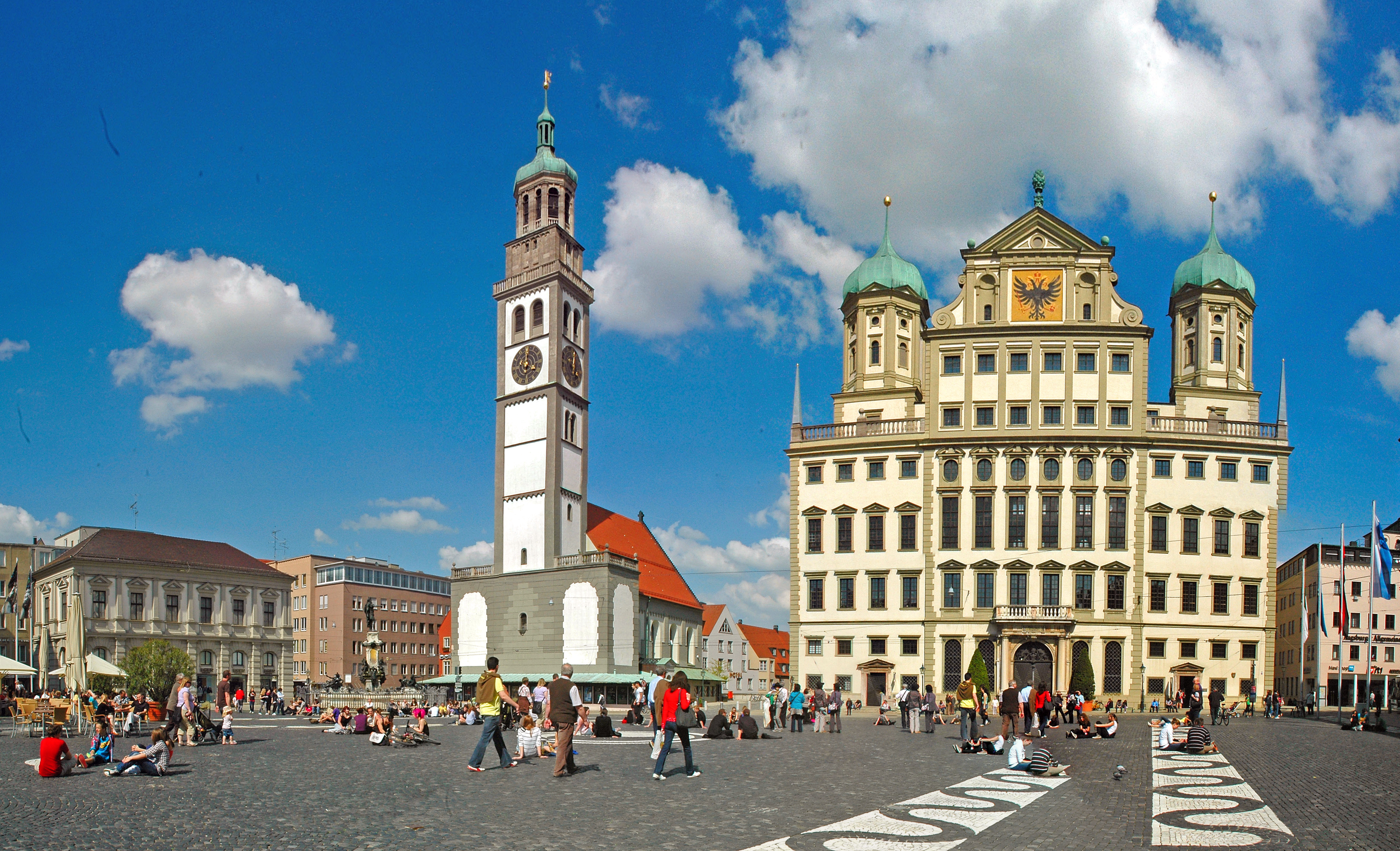
Augsburg's cultural significance extends beyond its historical importance. The city is home to numerous museums, galleries, and cultural institutions, including the Augsburg State Museum and the Roman Museum. The city's well-preserved Altstadt is a popular tourist destination, with its narrow streets, historic buildings, and picturesque canals. Augsburg is also known for its vibrant arts scene, with numerous festivals and events throughout the year, including the Augsburg Festival and the Augsburg Jazz Festival. The city's cultural landscape is also influenced by its proximity to other major cities, such as Munich and Nuremberg.
🌍 Economic Impact
Augsburg's economic impact is significant, with the city being a major hub for trade, finance, and industry. The city is home to numerous companies, including Siemens, BMW, and MAN SE. The city's strategic location, with its proximity to major transportation routes, makes it an attractive location for businesses. Augsburg is also a significant center for education, with the University of Augsburg and the Augsburg University of Applied Sciences being two of the city's major institutions. The city's economic growth is also influenced by its connection to other major economic centers, such as Frankfurt and Stuttgart.
🔮 Legacy & Future
Augsburg's legacy and future are closely tied to its rich history and cultural heritage. The city continues to be an important center for trade, finance, and education, with a strong focus on innovation and sustainability. The city's historic center is a popular tourist destination, and the city's cultural institutions continue to attract visitors from around the world. As the city looks to the future, it is likely to remain a significant cultural and economic center in Bavaria, with its unique blend of history, culture, and innovation. The city's future is also influenced by its connection to other major cities, such as Berlin and Hamburg.
Key Facts
- Year
- 15 BC
- Origin
- Bavaria, Germany
- Category
- history
- Type
- city
Frequently Asked Questions
What is the history of Augsburg?
Augsburg was founded in 15 BC by the Romans as Augusta Vindelicorum. The city has a long and complex history, with various periods of growth and decline. In the 16th century, Augsburg became a major center for trade and finance, with the Fugger family and Welser family playing a significant role in European banking. The city was also an important hub for the Protestant Reformation, with notable figures like Martin Luther and Philipp Melanchthon influencing the city's religious landscape.
What is the cultural significance of Augsburg?
Augsburg's cultural significance extends beyond its historical importance. The city is home to numerous museums, galleries, and cultural institutions, including the Augsburg State Museum and the Roman Museum. The city's well-preserved Altstadt is a popular tourist destination, with its narrow streets, historic buildings, and picturesque canals. Augsburg is also known for its vibrant arts scene, with numerous festivals and events throughout the year, including the Augsburg Festival and the Augsburg Jazz Festival.
What is the economic impact of Augsburg?
Augsburg's economic impact is significant, with the city being a major hub for trade, finance, and industry. The city is home to numerous companies, including Siemens, BMW, and MAN SE. The city's strategic location, with its proximity to major transportation routes, makes it an attractive location for businesses. Augsburg is also a significant center for education, with the University of Augsburg and the Augsburg University of Applied Sciences being two of the city's major institutions.
What is the legacy and future of Augsburg?
Augsburg's legacy and future are closely tied to its rich history and cultural heritage. The city continues to be an important center for trade, finance, and education, with a strong focus on innovation and sustainability. The city's historic center is a popular tourist destination, and the city's cultural institutions continue to attract visitors from around the world. As the city looks to the future, it is likely to remain a significant cultural and economic center in Bavaria, with its unique blend of history, culture, and innovation.
How does Augsburg's history influence its current cultural landscape?
Augsburg's history has a significant influence on its current cultural landscape. The city's rich history and cultural heritage are reflected in its numerous museums, galleries, and cultural institutions. The city's well-preserved Altstadt is a popular tourist destination, and the city's vibrant arts scene is a testament to its enduring cultural significance. The city's history has also shaped its economic landscape, with the city being a major hub for trade, finance, and industry.