
Contents
Overview
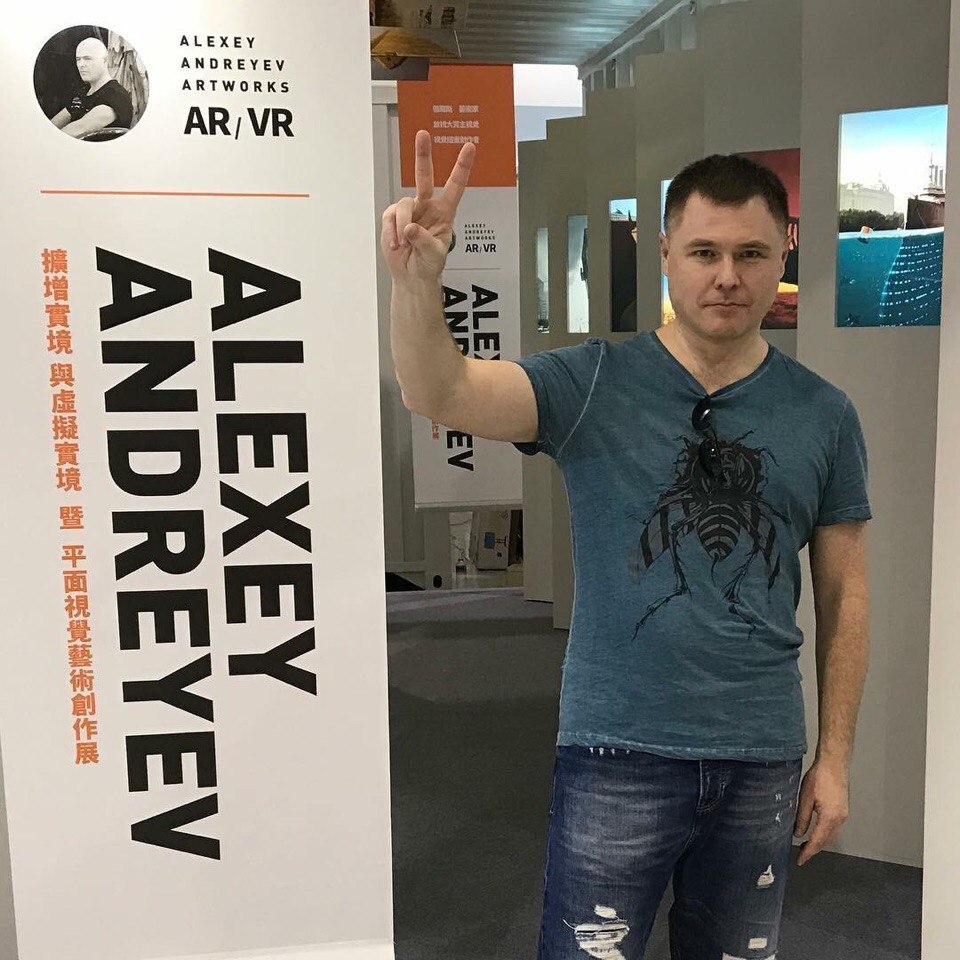
The genesis of augmented reality art creation can be traced back to early experiments with computer graphics and interactive installations in the late 20th century. Precursors include pioneers like Myron Krueger, whose work in the 1970s explored responsive environments, and early forms of digital art that hinted at interactivity. However, the widespread accessibility of smartphones and dedicated AR development platforms in the 2010s truly catalyzed the field. Artists like Alex Andreev, a Russian artist known for integrating digital painting with AR since the early 2000s, began showcasing how virtual elements could enhance physical artworks. The development of ARKit by Apple in 2017 and ARCore by Google further democratized the tools, enabling a broader range of artists to experiment without deep coding knowledge. Early exhibitions and projects, such as those by the Acute Art collective, began to demonstrate the potential for large-scale, public AR art experiences.
⚙️ How It Works
At its core, AR art creation involves designing digital assets—3D models, animations, soundscapes, and interactive scripts—that are then anchored to specific real-world locations or physical objects. Artists typically use 3D modeling software like Blender or Maya, and game engines such as Unity or Unreal Engine, to build these virtual components. These assets are then packaged into an AR application, often built using ARKit or ARCore, which uses device sensors (camera, GPS, gyroscope) to track the user's position and orientation. When the user views the designated physical space or object through their device, the application renders the digital art in real-time, creating the illusion that the virtual elements are part of the physical environment. Sophisticated AR art can respond to user gestures, environmental changes, or even biometric data, offering deeply personalized experiences.
📊 Key Facts & Numbers
The global market for augmented reality is experiencing explosive growth, with projections indicating it could reach over $300 billion by 2028, according to Statista. This expansion fuels the AR art sector, with an estimated 1 billion AR-enabled devices in use worldwide as of 2023. Major art institutions are increasingly embracing AR; for instance, the Tate Modern has hosted AR art exhibitions, and the Metropolitan Museum of Art has experimented with AR overlays for its collections. The average cost for developing a basic AR art experience can range from $5,000 to $50,000, depending on complexity, with high-end installations costing significantly more. Over 70% of consumers express interest in using AR for art and entertainment, highlighting a substantial audience eager for these immersive experiences.
👥 Key People & Organizations
Key figures in AR art creation include artists like Refik Anadol, known for his data-driven, immersive installations, and Holly Herndon, who has explored AR in her musical performances. Organizations such as Acute Art have been instrumental in commissioning and exhibiting AR artworks by established artists like KAWS and Ai Weiwei. Technology companies like Apple and Google are crucial enablers through their AR development platforms, ARKit and ARCore, respectively. Museums and galleries, including the Serpentine Galleries in London, are also becoming key players, providing exhibition spaces and curatorial support for AR art. Software developers and AR studios, such as Playlines, are vital for translating artistic visions into functional AR experiences.
🌍 Cultural Impact & Influence
AR art creation is fundamentally reshaping how audiences interact with art, moving beyond passive observation to active participation. It democratizes access by allowing art to be experienced in public spaces without physical constraints, transforming streets into galleries and enabling virtual exhibitions accessible globally. This medium has significantly influenced street art, with artists like Banksy's works being augmented digitally, and has also found a home in traditional galleries, offering new layers of meaning to existing pieces. The interactive nature of AR art fosters a deeper connection between the viewer and the artwork, encouraging exploration and personal interpretation. Furthermore, AR art is blurring the lines between art, technology, and entertainment, paving the way for new forms of storytelling and cultural expression.
⚡ Current State & Latest Developments
The current landscape of AR art creation is marked by rapid innovation in both software and hardware. The increasing power and accessibility of smartphones continue to drive mobile AR art experiences. Simultaneously, the development of dedicated AR headsets, such as Apple Vision Pro and Magic Leap, promises even more immersive and integrated artistic possibilities. Artists are exploring more complex interactions, generative art within AR, and the integration of AI-generated elements. Platforms like Artivive are gaining traction, allowing users to bring static artworks to life with AR overlays via a mobile app. Major art fairs and biennials, such as the Venice Biennale, are increasingly featuring AR components, signaling its growing acceptance within the mainstream art world. The emergence of decentralized platforms and NFTs for AR art is also a significant trend, creating new models for ownership and distribution.
🤔 Controversies & Debates
One of the primary controversies surrounding AR art creation revolves around accessibility and equity. While AR technology can democratize art, the requirement for specific devices (smartphones, headsets) can create a digital divide, excluding those without access. There are also debates about the ephemeral nature of digital art and its long-term preservation compared to traditional mediums. Questions of authorship arise when AI or collaborative platforms are heavily involved in the creation process. Furthermore, the potential for AR art to alter public spaces raises concerns about unsolicited digital graffiti, privacy, and the commercialization of public viewing experiences. The environmental impact of digital technologies, including energy consumption for rendering and data storage, is another growing point of contention.
🔮 Future Outlook & Predictions
The future of AR art creation is poised for significant expansion, driven by advancements in hardware and software. We can anticipate more sophisticated AR headsets that offer seamless integration of digital and physical realities, potentially replacing traditional screens for art consumption. Generative AI will likely play an even larger role, enabling artists to create dynamic, evolving artworks that respond intelligently to their environment and audience. The integration of AR art with Web3 technologies, including NFTs and decentralized autonomous organizations (DAOs), will likely create new economic models for artists and collectors. Expect AR art to become a staple in public art installations, museum exhibitions, and even personal digital spaces, fundamentally altering our perception of art and its place in daily life. Projections suggest AR art experiences will become as common as streaming services by 2030.
💡 Practical Applications
AR art creation has a wide array of practical applications across various sectors. In urban planning and architecture, AR allows artists and designers to visualize proposed installations or structures in situ before physical construction. Museums and galleries use AR to provide interactive educational content, bringing historical artifacts or paintings to life with animated narratives and contextual information. The entertainment industry employs AR for immersive live performances and interactive theme park attractions. Retailers are experimenting with AR art to enhance storefronts and create engaging brand experiences. Even in education, AR art can be used to teach complex concepts in science and history through visually engaging, interactive models, making learning more dynamic and memorable for students.
Key Facts
- Category
- aesthetics
- Type
- topic