
Contents
Overview
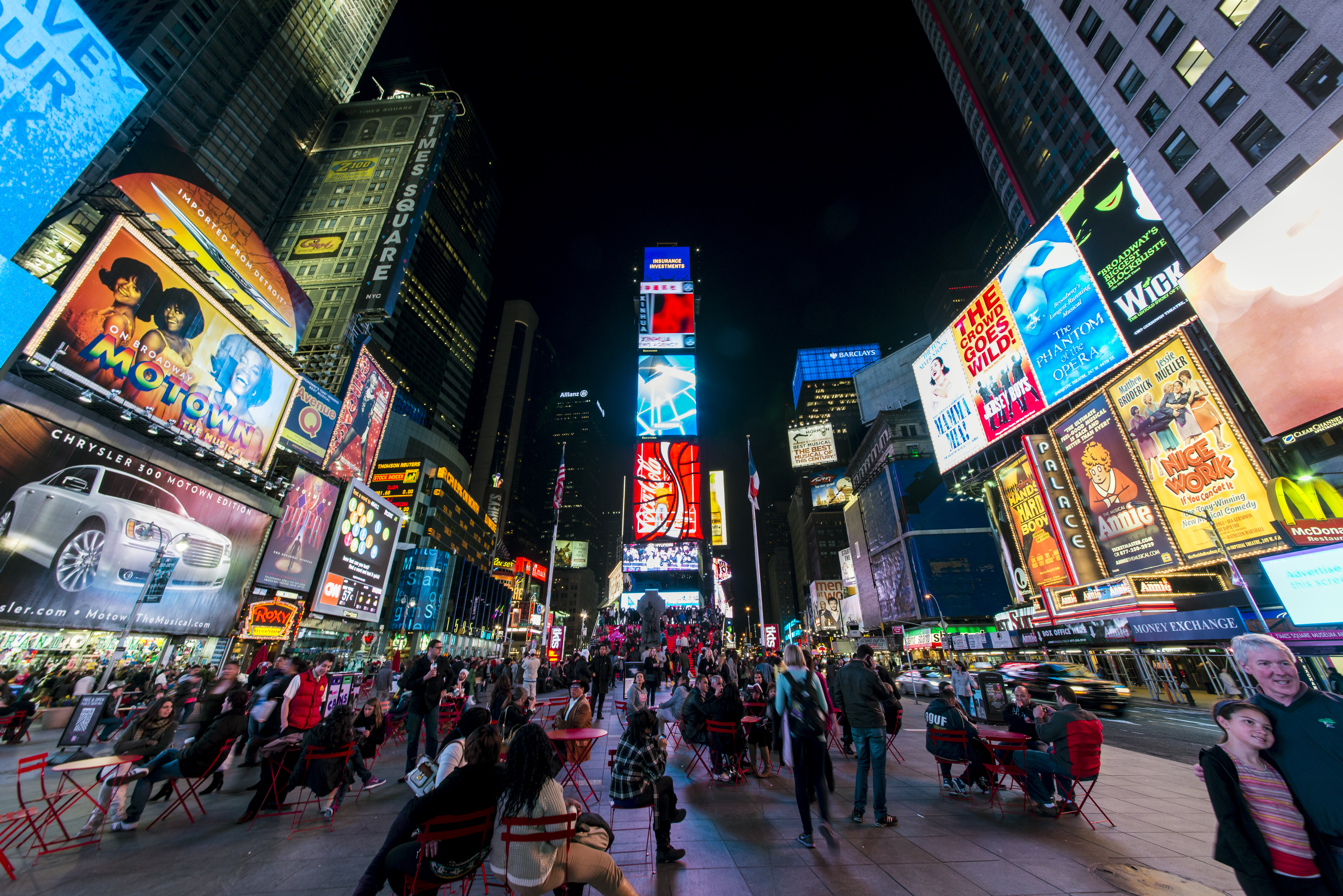
The concept of an arts and culture destination has its roots in the Renaissance period, where cities like Florence and Rome became hubs for artistic and cultural expression. Today, destinations like New York City, Paris, and Tokyo are renowned for their vibrant arts and culture scenes, featuring world-class museums, galleries, and performance venues. The Google Arts and Culture platform has also played a significant role in promoting and preserving arts and culture destinations, providing online access to collections and exhibitions from around the world.
🗺️ Types Of Destinations
Arts and culture destinations can take many forms, from historic cities like Venice and Prague, to art colonies like Taos and Provincetown. These destinations often feature a unique blend of architecture, music, and cuisine, reflecting the local culture and history. For example, the French Quarter in New Orleans is known for its jazz music and Creole cuisine, while the Montmartre neighborhood in Paris is famous for its street art and bohemian culture.
🌍 Cultural Significance
The cultural significance of arts and culture destinations cannot be overstated, as they provide a window into the past, present, and future of human creativity and expression. These destinations are often UNESCO World Heritage Sites, recognized for their outstanding cultural and historical value. The Smithsonian Institution and the Metropolitan Museum of Art are two examples of organizations that work to preserve and promote arts and culture destinations, through exhibitions, conservation efforts, and education programs.
🔮 Preservation & Tourism
As arts and culture destinations continue to evolve, it is essential to balance preservation and tourism, ensuring that these unique places are protected for future generations. The World Tourism Organization and the International Council of Museums are working together to promote sustainable tourism practices and preserve the cultural heritage of arts and culture destinations. By supporting local artists, artisans, and communities, visitors can help to ensure the long-term viability of these incredible destinations, and experience the rich cultural diversity that they have to offer.
Key Facts
- Year
- 1960s
- Origin
- Western world
- Category
- culture
- Type
- concept
Frequently Asked Questions
What is an arts and culture destination?
An arts and culture destination is a place that showcases a unique blend of creative expression, historical significance, and community engagement, attracting visitors from around the world. Examples include New York City, Paris, and Tokyo.
How do arts and culture destinations contribute to local economies?
Arts and culture destinations can contribute significantly to local economies through tourism, job creation, and the promotion of local artists and artisans. According to the National Endowment for the Arts, the arts and culture industry generates billions of dollars in economic activity each year.
What is the importance of preserving arts and culture destinations?
Preserving arts and culture destinations is crucial for maintaining the cultural heritage and historical significance of these places. The Smithsonian Institution and the Metropolitan Museum of Art are two examples of organizations that work to preserve and promote arts and culture destinations, through exhibitions, conservation efforts, and education programs.
How can visitors support local communities and artists in arts and culture destinations?
Visitors can support local communities and artists in arts and culture destinations by purchasing local art and crafts, attending local events and performances, and promoting the destination through social media and word of mouth. The local artists and artisans in destinations like Taos and Provincetown rely on the support of visitors to continue their work.
What is the role of technology in promoting and preserving arts and culture destinations?
Technology plays a significant role in promoting and preserving arts and culture destinations, through online platforms like Google Arts and Culture, social media, and virtual reality experiences. These technologies can help to increase access to arts and culture destinations, promote cultural heritage, and support the work of local artists and artisans.