
Contents
- 🎓 Early Life and Education
- 📚 Philosophical Contributions
- 👥 Associations and Influences
- 📊 Key Works and Legacy
- 👑 Tutoring Alexander the Great
- 🏛 Establishment of the Lyceum
- 💡 Later Life and Death
- 🤔 Controversies and Debates
- 🔮 Impact on Modern Thought
- 📚 Related Topics and Further Reading
- Frequently Asked Questions
- References
- Related Topics
Overview
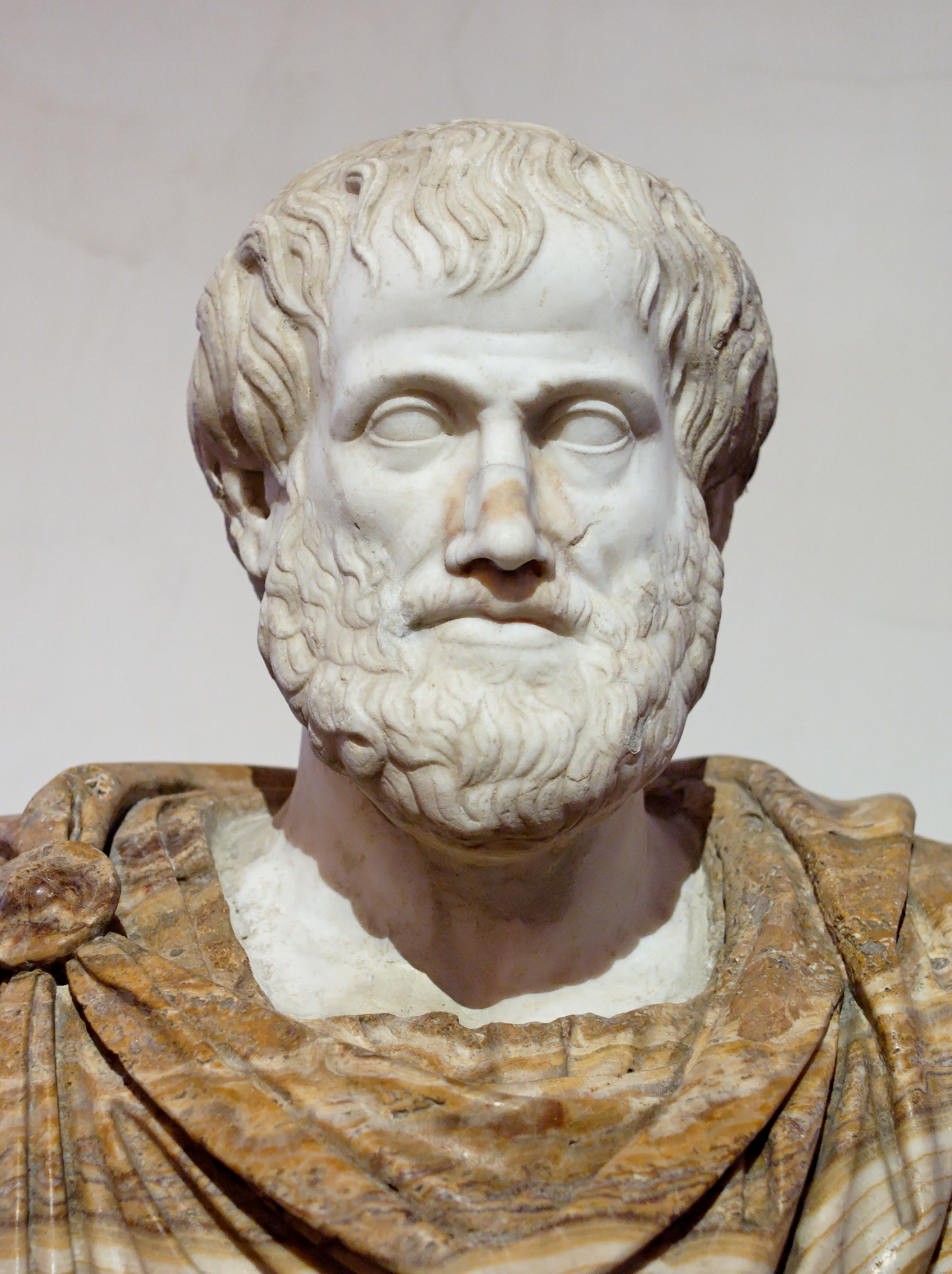
Aristotle, born in 384 BC in Stagira, Greece, was a renowned philosopher and polymath who made significant contributions to various fields, including philosophy, science, and the arts. His life's work, which spanned over four decades, was marked by his association with Plato's Academy in Athens, his tutelage of Alexander the Great, and the establishment of the Lyceum, a school that would become a hub for intellectual inquiry and discovery. With a vast array of writings that covered topics such as ethics, metaphysics, and biology, Aristotle's legacy has endured for centuries, shaping the development of Western philosophy and science. His influence can be seen in the works of prominent thinkers, including Immanuel Kant and Rene Descartes. As a key figure in the history of philosophy, Aristotle's life and ideas continue to be studied and debated by scholars today, with institutions like the University of Oxford and the British Museum housing extensive collections of his works.
🎓 Early Life and Education
Aristotle was born in 384 BC in the city of Stagira, in the region of Macedonia, Greece. His father, Nicomachus, was a physician at the royal court of Macedon, and his mother, Phaestis, was a member of a noble family. After his father's death, Aristotle was brought up by a guardian and later joined Plato's Academy in Athens at the age of eighteen. He remained at the Academy for nearly twenty years, during which time he developed a deep understanding of philosophy and began to formulate his own ideas. The Academy, founded by Plato in 387 BC, was a hub for intellectual inquiry and discovery, attracting scholars and philosophers from all over the ancient world, including Xenocrates and Speusippus.
📚 Philosophical Contributions
Aristotle's philosophical contributions are vast and varied, spanning topics such as ethics, metaphysics, and biology. He is perhaps best known for his concept of causality, which posits that everything has a cause and that understanding the causes of things is essential to understanding the world. His ideas on ethics, as outlined in his work Nicomachean Ethics, emphasize the importance of living a virtuous life and cultivating habits of character. The University of Cambridge and the Stanford University have extensive collections of his works on ethics and metaphysics.
👥 Associations and Influences
Aristotle's associations and influences were numerous and significant. He was deeply influenced by Plato and his ideas, and he also drew on the works of other prominent philosophers, including Socrates and Parmenides. His own ideas, in turn, would go on to influence a wide range of thinkers, from Immanuel Kant to Rene Descartes. The British Library and the Library of Congress house extensive collections of his works and those of his influences.
📊 Key Works and Legacy
Aristotle's key works include Posterior Analytics, Physics, and De Anima. His writings on biology, particularly his work Historia Animalium, demonstrate a keen observational skill and a deep understanding of the natural world. The American Museum of Natural History and the Smithsonian Institution have exhibits and collections related to his work on biology.
👑 Tutoring Alexander the Great
In 343 BC, Aristotle was invited by Philip II of Macedon to tutor his son, Alexander the Great. This period of Aristotle's life was marked by significant intellectual and philosophical growth, as he was able to engage with the young Alexander and share his ideas with him. The University of Athens and the Macedonian Heritage organization have programs and exhibits related to Aristotle's time in Macedon.
🏛 Establishment of the Lyceum
After his time with Alexander, Aristotle returned to Athens and established the Lyceum, a school that would become a hub for intellectual inquiry and discovery. The Lyceum was dedicated to the pursuit of knowledge and the development of young minds, and it was here that Aristotle taught and wrote many of his most famous works. The Lyceum and the Academy are still studied by scholars today as models for intellectual communities.
💡 Later Life and Death
Aristotle's later life and death are not well documented, but it is known that he died in 322 BC, at the age of sixty-two. His legacy, however, has endured for centuries, shaping the development of Western philosophy and science. The Aristotle Society and the International Association for Ancient Philosophy are dedicated to promoting the study and understanding of his works.
🤔 Controversies and Debates
Despite his significant contributions to philosophy and science, Aristotle's ideas have not been without controversy. Some have criticized his views on women and slavery, while others have challenged his concept of causality. The Feminist Philosophy and the Critical Race Theory communities have engaged with Aristotle's ideas and legacy in complex and nuanced ways.
🔮 Impact on Modern Thought
Aristotle's impact on modern thought is immense. His ideas on ethics, metaphysics, and biology have shaped the development of Western philosophy and science, and his influence can be seen in the works of prominent thinkers, including Immanuel Kant and Rene Descartes. The Modern Philosophy and the Contemporary Philosophy communities continue to engage with Aristotle's ideas and legacy.
Key Facts
- Year
- 384-322 BC
- Origin
- Stagira, Greece
- Category
- history
- Type
- person
Frequently Asked Questions
What was Aristotle's most significant contribution to philosophy?
Aristotle's most significant contribution to philosophy was his concept of causality, which posits that everything has a cause and that understanding the causes of things is essential to understanding the world. This idea has had a profound impact on the development of Western philosophy and science, influencing thinkers such as Immanuel Kant and Rene Descartes.
Who was Aristotle's most famous student?
Aristotle's most famous student was Alexander the Great, who would go on to become one of the most powerful leaders in history. Aristotle tutored Alexander in philosophy, ethics, and science, and had a significant influence on his development as a leader. The University of Oxford and the British Museum have exhibits and collections related to Alexander's life and legacy.
What was the Lyceum, and what was its significance?
The Lyceum was a school founded by Aristotle in Athens, dedicated to the pursuit of knowledge and the development of young minds. It was here that Aristotle taught and wrote many of his most famous works, and it became a hub for intellectual inquiry and discovery. The Lyceum was significant because it provided a space for philosophers and scientists to come together and share their ideas, and it played a crucial role in the development of Western philosophy and science. The Lyceum and the Academy are still studied by scholars today as models for intellectual communities.
How did Aristotle's ideas influence the development of Western philosophy and science?
Aristotle's ideas had a profound impact on the development of Western philosophy and science. His concept of causality, his ideas on ethics and metaphysics, and his work in biology and other sciences all contributed to a deeper understanding of the world and the human experience. His influence can be seen in the works of prominent thinkers, including Immanuel Kant and Rene Descartes, and his ideas continue to shape the development of modern philosophy and science. The Modern Philosophy and the Contemporary Philosophy communities continue to engage with Aristotle's ideas and legacy.
What are some of the controversies surrounding Aristotle's ideas?
Some of the controversies surrounding Aristotle's ideas include his views on women and slavery, which have been criticized as sexist and racist. Additionally, his concept of causality has been challenged by some philosophers, who argue that it is too simplistic or overly deterministic. The Feminist Philosophy and the Critical Race Theory communities have engaged with Aristotle's ideas and legacy in complex and nuanced ways.
How can I learn more about Aristotle's life and ideas?
There are many resources available for learning more about Aristotle's life and ideas. The works of Plato and Socrates provide valuable context and insight into the development of Western philosophy, while the ideas of Immanuel Kant and Rene Descartes demonstrate the enduring influence of Aristotle's thought. The Stanford Encyclopedia of Philosophy and the Internet Encyclopedia of Philosophy are excellent resources for further study.
What is the significance of Aristotle's concept of causality?
Aristotle's concept of causality is significant because it provides a framework for understanding the world and the relationships between things. It posits that everything has a cause and that understanding the causes of things is essential to understanding the world. This idea has had a profound impact on the development of Western philosophy and science, influencing thinkers such as Immanuel Kant and Rene Descartes.