
Contents
- 🌾 Introduction to Agricultural Robots
- 🤖 Types of Agricultural Robots
- 🌱 Precision Farming with Agricultural Robots
- 📊 Economic Benefits of Agricultural Robots
- 🌿 Environmental Impact of Agricultural Robots
- 🚜 Autonomous Farming with Agricultural Robots
- 🤝 Collaboration and Integration in Agricultural Robotics
- 🚨 Challenges and Limitations of Agricultural Robots
- 📈 Future Developments in Agricultural Robotics
- 🌐 Global Adoption and Impact of Agricultural Robots
- 📊 Investment and Funding in Agricultural Robotics
- Frequently Asked Questions
- Related Topics
Overview
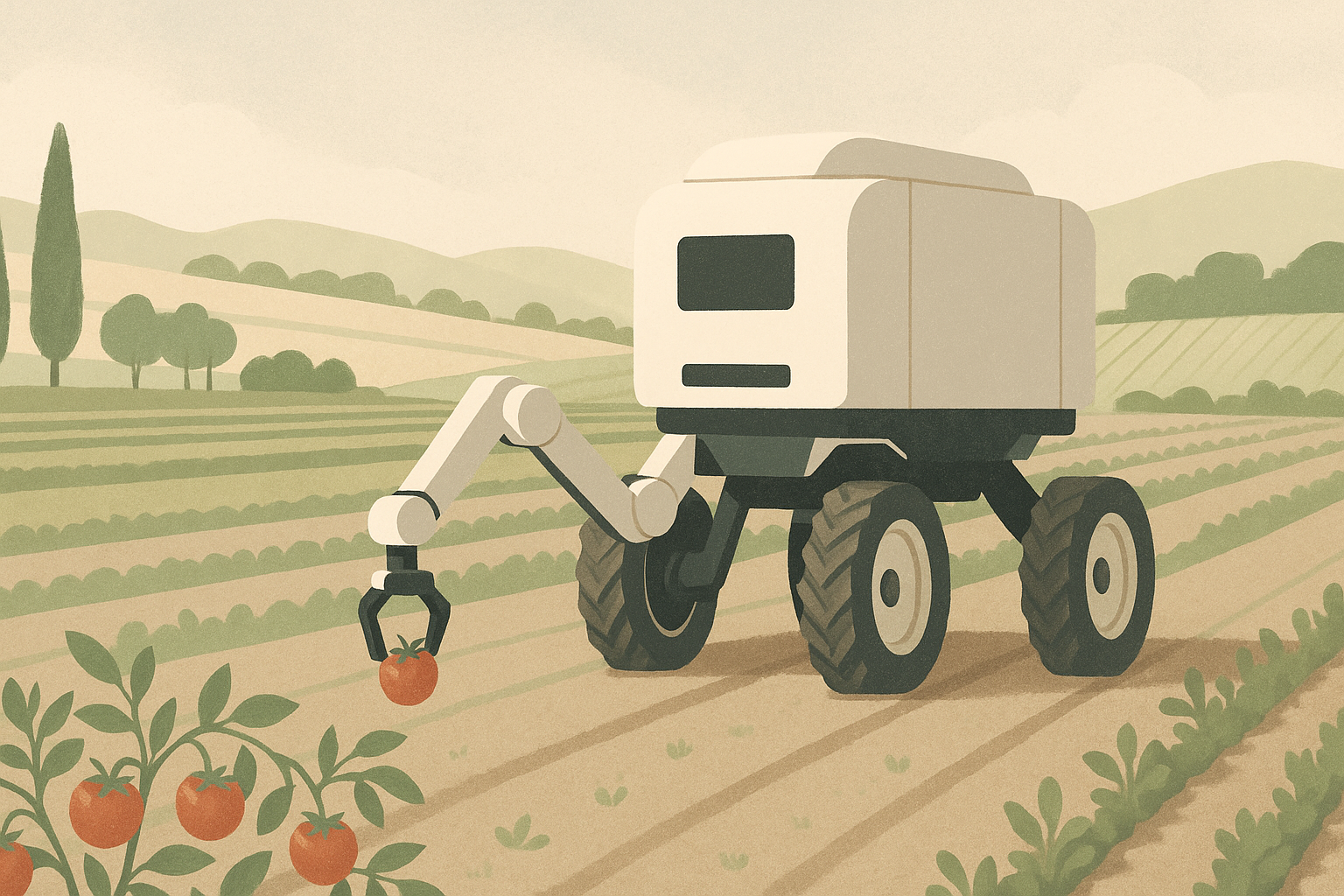
Agricultural robots are revolutionizing the farming industry by increasing efficiency, reducing labor costs, and improving crop yields. Companies like John Deere and Granular are developing autonomous tractors and drones that can plant, spray, and harvest crops with precision and accuracy. According to a report by MarketsandMarkets, the agricultural robotics market is expected to reach $11.58 billion by 2025, growing at a CAGR of 22.8%. However, the adoption of agricultural robots also raises concerns about job displacement and the potential for increased dependence on technology. As the global population is projected to reach 9.7 billion by 2050, the use of agricultural robots will be crucial in meeting the increasing demand for food production. With a vibe score of 8, agricultural robots are gaining significant attention and investment, with companies like FarmWise and Naio Technologies leading the charge.
🌾 Introduction to Agricultural Robots
Agricultural robots are transforming the farming industry by increasing efficiency, reducing labor costs, and improving crop yields. Agricultural automation is a key aspect of this transformation, enabling farmers to automate tasks such as planting, pruning, and harvesting. Precision agriculture is another crucial concept, which involves using advanced technology to optimize crop growth and reduce waste. The use of drones in agriculture is also becoming increasingly popular, allowing farmers to monitor their crops and detect issues early on. With the global population projected to reach 9 billion by 2050, sustainable agriculture practices are more important than ever. Agricultural robots are playing a vital role in achieving this goal.
🤖 Types of Agricultural Robots
There are several types of agricultural robots, each designed to perform specific tasks. Autonomous tractors are equipped with GPS and sensors, allowing them to navigate and operate independently. Agricultural drones are used for crop monitoring, spraying, and planting. Robotic harvesters are designed to automate the harvesting process, reducing labor costs and improving efficiency. Farm robots are versatile machines that can perform a variety of tasks, from planting to pruning. The development of artificial intelligence in agriculture is also enabling robots to make decisions and adapt to changing conditions.
🌱 Precision Farming with Agricultural Robots
Precision farming is a key application of agricultural robots, enabling farmers to optimize crop growth and reduce waste. Precision farming techniques involve using advanced technology to monitor and control factors such as soil moisture, temperature, and light. Agricultural sensors are used to collect data on crop health and growth, allowing farmers to make informed decisions. GPS-guided farming is another precision farming technique, which involves using GPS to guide tractors and other equipment. The use of big data in agriculture is also becoming increasingly important, enabling farmers to analyze and optimize their operations. By adopting digital farming practices, farmers can improve their bottom line and reduce their environmental impact.
📊 Economic Benefits of Agricultural Robots
The economic benefits of agricultural robots are significant, with the potential to increase efficiency and reduce labor costs. Agricultural robotics market is expected to grow significantly in the coming years, driven by increasing demand for efficient and sustainable farming practices. Farm productivity is also expected to increase, as agricultural robots enable farmers to automate tasks and focus on higher-value activities. The use of agricultural software is also becoming increasingly important, enabling farmers to manage their operations and make data-driven decisions. By adopting agricultural innovation, farmers can stay ahead of the curve and improve their competitiveness. However, the cost of agricultural robots is still a significant barrier to adoption for many farmers.
🌿 Environmental Impact of Agricultural Robots
The environmental impact of agricultural robots is a topic of increasing interest, with the potential to reduce waste and improve sustainability. Sustainable agricultural practices are essential for reducing the environmental impact of farming, and agricultural robots can play a key role in achieving this goal. Agricultural waste management is another important consideration, with agricultural robots enabling farmers to reduce and manage waste more effectively. The use of renewable energy in agriculture is also becoming increasingly important, enabling farmers to reduce their carbon footprint. By adopting eco-friendly farming practices, farmers can improve their environmental sustainability and reduce their impact on the planet. However, the environmental impact of agricultural robots is still a topic of debate, with some arguing that they can have negative effects on biodiversity and ecosystems.
🚜 Autonomous Farming with Agricultural Robots
Autonomous farming is a key application of agricultural robots, enabling farmers to automate tasks and improve efficiency. Autonomous farming systems involve the use of sensors, GPS, and other technologies to automate tasks such as planting, pruning, and harvesting. Agricultural autonomy is a key concept, which involves the use of autonomous systems to manage and control farm operations. The use of machine learning in agriculture is also becoming increasingly important, enabling farmers to analyze data and make informed decisions. By adopting autonomous farming technologies, farmers can improve their productivity and reduce their labor costs. However, the regulation of autonomous farming is still a topic of debate, with some arguing that it requires more stringent safety and environmental regulations.
🤝 Collaboration and Integration in Agricultural Robotics
Collaboration and integration are essential for the development and adoption of agricultural robots. Agricultural robotics research involves the collaboration of experts from various fields, including robotics, agriculture, and computer science. Agricultural innovation hubs are being established to facilitate collaboration and knowledge sharing among farmers, researchers, and industry experts. The use of agricultural data standards is also becoming increasingly important, enabling farmers to share and compare data more effectively. By adopting agricultural collaboration tools, farmers can work together more effectively and share knowledge and best practices. However, the integration of agricultural robots with existing farming systems and infrastructure is still a significant challenge.
🚨 Challenges and Limitations of Agricultural Robots
Despite the many benefits of agricultural robots, there are also several challenges and limitations to their adoption. Agricultural robotics challenges include the high cost of development and deployment, as well as the need for specialized expertise and infrastructure. Agricultural robotics limitations include the limited availability of skilled labor and the need for ongoing maintenance and support. The use of agricultural robotics training programs is becoming increasingly important, enabling farmers to develop the skills they need to operate and maintain agricultural robots. By adopting agricultural robotics best practices, farmers can minimize the risks and maximize the benefits of agricultural robots. However, the future of agricultural robots is still uncertain, with some arguing that they will have a significant impact on the farming industry and others arguing that they will have limited adoption and impact.
📈 Future Developments in Agricultural Robotics
The future of agricultural robotics is exciting and rapidly evolving, with new technologies and innovations emerging all the time. Agricultural robotics trends include the increasing use of artificial intelligence, machine learning, and computer vision. Agricultural robotics innovations include the development of new sensors, actuators, and other technologies that enable more precise and efficient farming practices. The use of agricultural robotics platforms is becoming increasingly important, enabling farmers to integrate and manage multiple robots and systems. By adopting agricultural robotics strategies, farmers can stay ahead of the curve and improve their competitiveness. However, the regulation of agricultural robots is still a topic of debate, with some arguing that it requires more stringent safety and environmental regulations.
🌐 Global Adoption and Impact of Agricultural Robots
The global adoption of agricultural robots is increasing rapidly, with many countries investing heavily in agricultural robotics research and development. Agricultural robotics adoption is being driven by the need to improve efficiency, reduce labor costs, and increase crop yields. Agricultural robotics impact is significant, with the potential to transform the farming industry and improve food security. The use of agricultural robotics in developing countries is also becoming increasingly important, enabling smallholder farmers to improve their productivity and income. By adopting agricultural robotics policies, governments can support the development and adoption of agricultural robots and improve their impact on the farming industry. However, the global agricultural robotics market is still highly competitive, with many companies and countries vying for market share and influence.
📊 Investment and Funding in Agricultural Robotics
The investment and funding of agricultural robotics is a critical aspect of its development and adoption. Agricultural robotics investment is being driven by the need to improve efficiency, reduce labor costs, and increase crop yields. Agricultural robotics funding is being provided by governments, private companies, and venture capital firms. The use of agricultural robotics grants is also becoming increasingly important, enabling researchers and farmers to develop and adopt new agricultural robotics technologies. By adopting agricultural robotics funding strategies, companies and governments can support the development and adoption of agricultural robots and improve their impact on the farming industry. However, the agricultural robotics funding challenges are still significant, with some arguing that it requires more investment and funding to support the development and adoption of agricultural robots.
Key Facts
- Year
- 2025
- Origin
- USA
- Category
- Technology
- Type
- Technology
Frequently Asked Questions
What are agricultural robots?
Agricultural robots are machines that are designed to automate tasks in farming, such as planting, pruning, and harvesting. They use advanced technologies such as artificial intelligence, machine learning, and computer vision to optimize crop growth and reduce waste. Agricultural robots are becoming increasingly popular, with many farmers adopting them to improve their efficiency and productivity. However, the cost of agricultural robots is still a significant barrier to adoption for many farmers. By adopting agricultural robots best practices, farmers can minimize the risks and maximize the benefits of agricultural robots.
What are the benefits of agricultural robots?
The benefits of agricultural robots are significant, with the potential to improve efficiency, reduce labor costs, and increase crop yields. Agricultural robots benefits include the ability to automate tasks, optimize crop growth, and reduce waste. The use of agricultural robots in precision farming is also becoming increasingly important, enabling farmers to optimize crop growth and reduce waste. By adopting agricultural robots strategies, farmers can stay ahead of the curve and improve their competitiveness. However, the regulation of agricultural robots is still a topic of debate, with some arguing that it requires more stringent safety and environmental regulations.
What are the challenges of agricultural robots?
The challenges of agricultural robots are significant, with the need to address issues such as high cost, limited availability of skilled labor, and the need for ongoing maintenance and support. Agricultural robots challenges include the need to develop and deploy robots that are reliable, efficient, and effective. The use of agricultural robots training programs is becoming increasingly important, enabling farmers to develop the skills they need to operate and maintain agricultural robots. By adopting agricultural robots best practices, farmers can minimize the risks and maximize the benefits of agricultural robots. However, the future of agricultural robots is still uncertain, with some arguing that they will have a significant impact on the farming industry and others arguing that they will have limited adoption and impact.
What is the future of agricultural robots?
The future of agricultural robots is exciting and rapidly evolving, with new technologies and innovations emerging all the time. Agricultural robots future is expected to be shaped by the increasing use of artificial intelligence, machine learning, and computer vision. The use of agricultural robots platforms is becoming increasingly important, enabling farmers to integrate and manage multiple robots and systems. By adopting agricultural robots strategies, farmers can stay ahead of the curve and improve their competitiveness. However, the regulation of agricultural robots is still a topic of debate, with some arguing that it requires more stringent safety and environmental regulations.
How can I invest in agricultural robots?
Investing in agricultural robots can be a lucrative opportunity, with the potential to improve efficiency, reduce labor costs, and increase crop yields. Agricultural robots investment is being driven by the need to improve efficiency, reduce labor costs, and increase crop yields. The use of agricultural robots funding is also becoming increasingly important, enabling researchers and farmers to develop and adopt new agricultural robotics technologies. By adopting agricultural robots funding strategies, companies and governments can support the development and adoption of agricultural robots and improve their impact on the farming industry. However, the agricultural robots funding challenges are still significant, with some arguing that it requires more investment and funding to support the development and adoption of agricultural robots.