
Contents
- 🌾 Origins & History
- 🌱 How It Works
- 📊 Key Facts & Numbers
- 👥 Key People & Organizations
- 🌍 Cultural Impact & Influence
- ⚡ Current State & Latest Developments
- 🤔 Controversies & Debates
- 🔮 Future Outlook & Predictions
- 💡 Practical Applications
- 📚 Related Topics & Deeper Reading
- Frequently Asked Questions
- References
- Related Topics
Overview
Agricultural products are the foundation of human sustenance, encompassing a vast array of crops, livestock, and forestry outputs that have shaped the course of human history. With roots dating back to the domestication of plants and animals around 11,500 years ago, agriculture has evolved to become a complex, global industry, with small farms producing approximately one-third of the world's food. The sector is characterized by a diverse range of products, including grains, fruits, vegetables, meats, dairy, and fibers, with major players like Monsanto, Cargill, and John Deere driving innovation and production. As the global population continues to grow, the importance of agricultural products in ensuring food security, sustainable development, and environmental stewardship has never been more pressing, with initiatives like permaculture and regenerative agriculture gaining traction. With the world's population projected to reach 9.7 billion by 2050, the agricultural sector must adapt to meet the increasing demand for food, while minimizing its environmental footprint, as highlighted by the UN Food and Agriculture Organization.
🌾 Origins & History
Agricultural products have a rich and diverse history, with evidence of crop cultivation dating back to around 11,500 years ago, as noted by National Geographic. The domestication of plants and animals marked the beginning of a new era in human development, enabling the growth of settled communities and the emergence of complex societies. Key figures like Norman Borlaug, the father of the Green Revolution, have played a significant role in shaping the course of agricultural history, with his work on high-yielding wheat varieties, supported by organizations like The Rockefeller Foundation.
🌱 How It Works
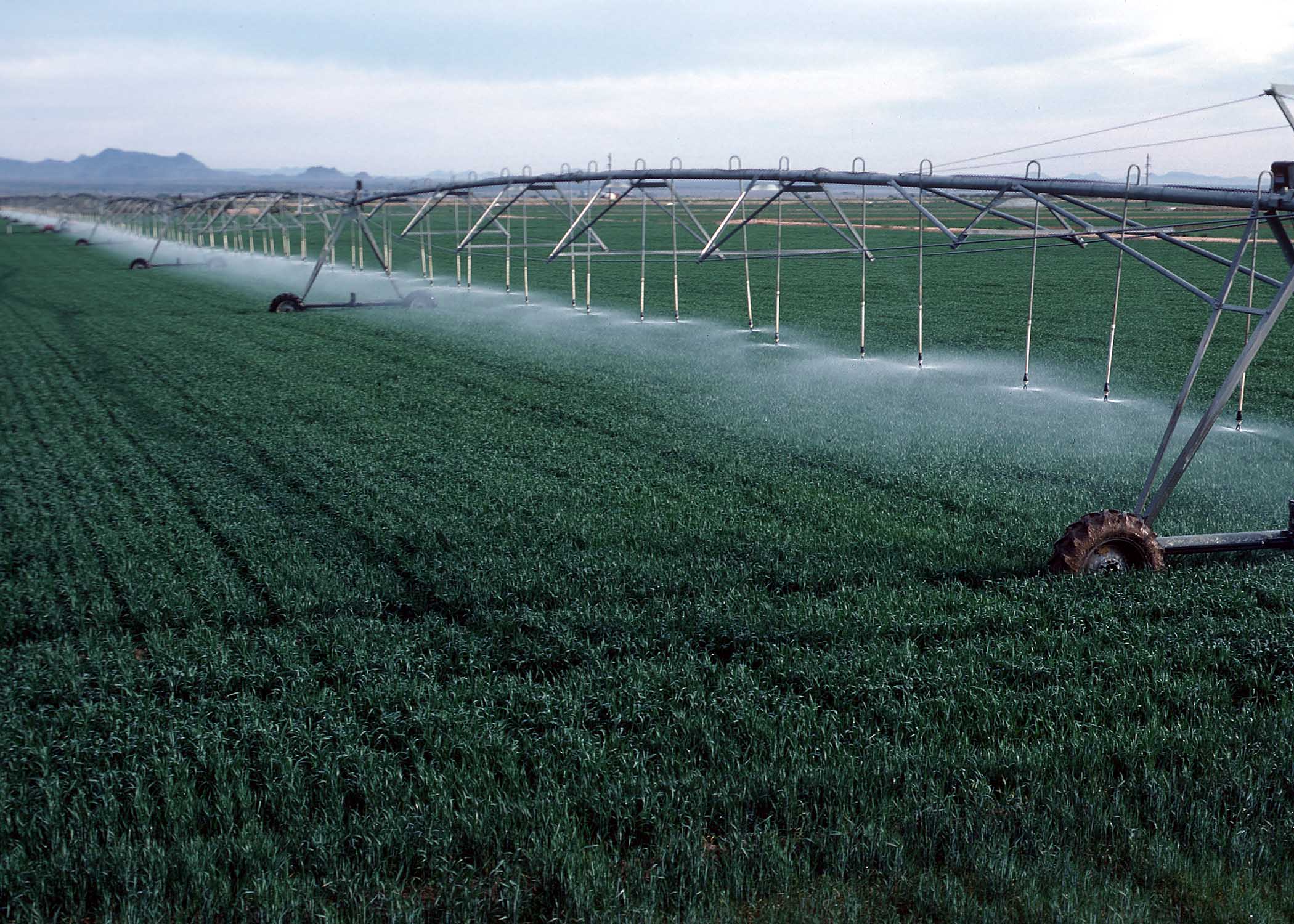
The production of agricultural products involves a complex interplay of factors, including soil quality, climate, water availability, and crop selection. Modern agricultural practices, such as precision agriculture and vertical farming, are increasingly being adopted to improve efficiency and reduce environmental impact, with companies like Google and Amazon investing in agricultural technology. The use of technologies like drones, satellite imaging, and artificial intelligence is also becoming more prevalent, as seen in the work of Farmers Business Network.
📊 Key Facts & Numbers
Agricultural products are a significant contributor to the global economy, with the sector accounting for around 25% of global GDP. The production of crops like corn, soybeans, and wheat is a major driver of economic activity, with countries like United States, China, and Brazil being among the top producers. The livestock industry is also a significant contributor, with the global meat market valued at over $1.4 trillion, according to Euromonitor.
👥 Key People & Organizations
Key people and organizations in the agricultural products sector include farmers, agricultural scientists, and industry leaders. Figures like Bill Gates, who has invested heavily in agricultural development through the Bill and Melinda Gates Foundation, and Howard Buffett, who has worked to improve agricultural productivity in developing countries, are making a significant impact. Companies like Syngenta and DowDuPont are also major players, driving innovation and production in the sector.
🌍 Cultural Impact & Influence
Agricultural products have had a profound impact on human culture and society, shaping the course of history and influencing the development of civilizations. The availability of food has played a significant role in shaping population growth, urbanization, and economic development, as noted by historians like Jared Diamond. The cultural significance of agricultural products is also reflected in the many traditions and festivals surrounding food and farming, such as Thanksgiving and Harvest Festival.
⚡ Current State & Latest Developments
The current state of the agricultural products sector is characterized by a number of challenges and opportunities. The increasing global demand for food, driven by population growth and changing dietary habits, is putting pressure on agricultural systems to produce more with less. At the same time, the sector is facing significant environmental challenges, including climate change, soil degradation, and water scarcity, as highlighted by the IPCC. Initiatives like sustainable agriculture and agroecology are gaining traction, with organizations like Greenpeace and World Wildlife Fund advocating for more sustainable practices.
🤔 Controversies & Debates
The production and distribution of agricultural products are not without controversy, with debates surrounding issues like genetically modified organisms (GMOs), pesticides, and animal welfare. The use of GMOs, for example, has been the subject of intense debate, with some arguing that they offer a solution to food security challenges, while others raise concerns about their impact on human health and the environment, as seen in the work of Vandana Shiva.
🔮 Future Outlook & Predictions
Looking to the future, the agricultural products sector is likely to be shaped by a number of factors, including technological innovation, changing consumer preferences, and environmental concerns. The adoption of precision agriculture, vertical farming, and other innovative practices is expected to improve efficiency and reduce environmental impact, with companies like Indigo Ag and FarmWise leading the charge. At the same time, the sector will need to adapt to the challenges posed by climate change, including more frequent extreme weather events and changing growing conditions, as noted by scientists like Katherine Hayhoe.
💡 Practical Applications
Agricultural products have a wide range of practical applications, from food and feed to fiber and fuel. The sector is also a significant source of employment, with millions of people around the world working in agriculture. Initiatives like urban agriculture and community-supported agriculture are also gaining popularity, as people look for ways to connect with their food and support local farmers, such as Joel Salatin.
Key Facts
- Year
- 2021
- Origin
- Global
- Category
- nature
- Type
- concept
Frequently Asked Questions
What is the history of agricultural products?
Agricultural products have a rich and diverse history, with evidence of crop cultivation dating back to around 11,500 years ago. The domestication of plants and animals marked the beginning of a new era in human development, enabling the growth of settled communities and the emergence of complex societies. Key figures like Norman Borlaug have played a significant role in shaping the course of agricultural history.
What are the key challenges facing the agricultural products sector?
The agricultural products sector is facing a number of challenges, including climate change, soil degradation, and water scarcity. The increasing global demand for food, driven by population growth and changing dietary habits, is also putting pressure on agricultural systems to produce more with less. Initiatives like sustainable agriculture and agroecology are gaining traction, with organizations like Greenpeace and World Wildlife Fund advocating for more sustainable practices.
What is the future outlook for the agricultural products sector?
The future outlook for the agricultural products sector is likely to be shaped by a number of factors, including technological innovation, changing consumer preferences, and environmental concerns. The adoption of precision agriculture, vertical farming, and other innovative practices is expected to improve efficiency and reduce environmental impact. At the same time, the sector will need to adapt to the challenges posed by climate change, including more frequent extreme weather events and changing growing conditions.
What are the practical applications of agricultural products?
Agricultural products have a wide range of practical applications, from food and feed to fiber and fuel. The sector is also a significant source of employment, with millions of people around the world working in agriculture. Initiatives like urban agriculture and community-supported agriculture are also gaining popularity, as people look for ways to connect with their food and support local farmers.
What are the related topics in the agricultural products sector?
Related topics in the agricultural products sector include food security, sustainable development, and environmental stewardship. The sector is also closely linked to other industries, such as food processing and agricultural technology. Further reading on these topics can provide a deeper understanding of the complex issues surrounding agricultural products.
What is the current state of the agricultural products sector?
The current state of the agricultural products sector is characterized by a number of challenges and opportunities. The increasing global demand for food, driven by population growth and changing dietary habits, is putting pressure on agricultural systems to produce more with less. At the same time, the sector is facing significant environmental challenges, including climate change, soil degradation, and water scarcity.
What are the controversies surrounding agricultural products?
The production and distribution of agricultural products are not without controversy, with debates surrounding issues like genetically modified organisms (GMOs), pesticides, and animal welfare. The use of GMOs, for example, has been the subject of intense debate, with some arguing that they offer a solution to food security challenges, while others raise concerns about their impact on human health and the environment.
What is the role of technology in the agricultural products sector?
Technology is playing an increasingly important role in the agricultural products sector, with the adoption of precision agriculture, vertical farming, and other innovative practices expected to improve efficiency and reduce environmental impact. The use of drones, satellite imaging, and artificial intelligence is also becoming more prevalent, as seen in the work of Farmers Business Network.
What are the opportunities for sustainable agriculture?
There are a number of opportunities for sustainable agriculture, including the adoption of practices like permaculture and regenerative agriculture. These approaches prioritize soil health, biodiversity, and efficient water use, and can help to reduce the environmental impact of agriculture while improving crop yields and farmer livelihoods.
What is the impact of climate change on agricultural products?
Climate change is having a significant impact on agricultural products, with changing weather patterns and rising temperatures affecting crop yields and quality. The sector will need to adapt to these challenges, through the adoption of climate-resilient practices and technologies, and by supporting farmers in developing countries who are most vulnerable to the impacts of climate change.
What is the future of food production?
The future of food production is likely to be shaped by a number of factors, including technological innovation, changing consumer preferences, and environmental concerns. The adoption of precision agriculture, vertical farming, and other innovative practices is expected to improve efficiency and reduce environmental impact. At the same time, the sector will need to adapt to the challenges posed by climate change, including more frequent extreme weather events and changing growing conditions.
What are the benefits of urban agriculture?
Urban agriculture has a number of benefits, including providing fresh produce to urban communities, reducing transportation costs and emissions, and promoting community engagement and education. Initiatives like urban agriculture and community-supported agriculture are also gaining popularity, as people look for ways to connect with their food and support local farmers.
What is the role of policy in shaping the agricultural products sector?
Policy plays a critical role in shaping the agricultural products sector, with governments around the world implementing policies to support sustainable agriculture, reduce environmental impact, and promote food security. Organizations like FAOSTAT and USDA provide data and analysis to inform policy decisions, and initiatives like Agricultural Act and Farm Bill aim to promote sustainable agriculture and support farmers.