
Contents
Overview
The roots of Bavarian cuisine stretch back centuries, deeply intertwined with the region's agricultural landscape and historical development. Early Bavarian cooking was pragmatic, focusing on hearty, filling dishes that provided sustenance for farmers and laborers. The influence of the Wittelsbach dynasty, which ruled Bavaria for over 700 years until 1918, played a significant role in refining and popularizing certain dishes, particularly those served at royal events and in Munich's beer halls. The establishment of breweries, like the famous Hofbräuhaus founded in 1589, cemented beer's central role, leading to the development of dishes specifically designed to pair with it. The 19th century saw the formalization of many classic Bavarian recipes, solidifying their place in the regional identity, a process further documented and preserved by initiatives like the 'GenussBayern' database established in the 1990s.
⚙️ How It Works
At its core, Bavarian cuisine relies on fundamental cooking techniques that emphasize flavor and texture. Roasting, braising, and frying are common methods, often employing generous amounts of butter, lard, or duck fat to achieve rich, savory results. The emphasis is on quality, locally sourced ingredients: pork, beef, poultry, freshwater fish, and a variety of root vegetables and cabbages form the backbone of many dishes. Dairy products, especially from the Allgäu region, are crucial for cheeses and creamy sauces. The preparation of doughs for dumplings (Knödel) and pastries is also a hallmark, requiring skill to achieve the perfect consistency. Beer is not just a beverage but often an ingredient, used in marinades, stews, and sauces to add depth and a characteristic malty note.
📊 Key Facts & Numbers
Bavaria boasts an impressive culinary catalog, with over 285 typical Bavarian products cataloged in the 'GenussBayern' database. Of these, 54 specialties hold protected geographical indication (PGI) or protected designation of origin (PDO) status under European Union law, more than any other German state. These protected products include renowned items like 'Nuremberg bratwurst' (Nürnberger Rostbratwurst), 'Allgäu mountain cheese' (Allgäuer Bergkäse), and 'Schrobenhausen asparagus' (Schrobenhausener Spargel). The value of the Bavarian food and beverage industry is substantial, with the agricultural sector alone contributing billions of euros annually to the state's economy. Beer production in Bavaria is immense, with over 600 breweries producing approximately 2.5 billion liters (around 660 million US gallons) of beer each year, a significant portion of which is consumed locally.
👥 Key People & Organizations
While no single chef is universally credited as the 'father' of Bavarian cuisine, numerous individuals and institutions have shaped its identity. The Wittelsbach royal family, particularly figures like King Ludwig II, were patrons of lavish feasts that showcased regional bounty. Modern culinary figures like Alfons Schuhbeck (though recently facing legal troubles) have significantly popularized Bavarian dishes on an international stage through cookbooks and television appearances. Organizations such as the Bavarian Ministry of Food, Agriculture and Forestry, and initiatives like 'GenussBayern,' are instrumental in documenting, promoting, and protecting regional specialties. The Oktoberfest in Munich, arguably the world's largest folk festival, serves as a massive, annual showcase for Bavarian food and drink, attracting over six million visitors.
🌍 Cultural Impact & Influence
Bavarian cuisine's influence extends far beyond its regional borders, shaping perceptions of German food globally. Its hearty, unpretentious nature has made it a symbol of German hospitality and conviviality, particularly through its association with beer gardens and festivals like Oktoberfest. Dishes like 'Schweinebraten' (roast pork) and 'Weißwurst' (white sausage) have become international ambassadors for German culinary culture. The concept of 'Gemütlichkeit'—a feeling of warmth, friendliness, and good cheer—is intrinsically linked to the experience of enjoying Bavarian food and drink. This cultural resonance has inspired countless restaurants worldwide to adopt Bavarian themes and recipes, from the beer halls of New York City to culinary festivals in Asia.
⚡ Current State & Latest Developments
In 2024 and 2025, Bavarian cuisine continues its strong presence, balancing tradition with modern culinary trends. There's a growing emphasis on sustainability and farm-to-table sourcing, with chefs increasingly highlighting local producers and seasonal ingredients. While classic dishes remain popular, there's also experimentation, with chefs incorporating international influences or lighter preparations. The 'Ausgezeichnete GenussKüche' award continues to recognize restaurants committed to high-quality, regional cooking. The ongoing popularity of beer gardens and traditional 'Wirtshäuser' (inns) ensures the continued demand for authentic Bavarian fare. Furthermore, the digital space sees continued promotion through food bloggers and social media influencers showcasing Bavarian culinary experiences.
🤔 Controversies & Debates
One of the primary debates surrounding Bavarian cuisine centers on authenticity versus adaptation. Critics sometimes argue that modern interpretations dilute the traditional character of dishes, while proponents champion the need for evolution to keep the cuisine relevant. Another point of contention can be the perceived heaviness of the food; while beloved by many, its high fat and calorie content is a concern for health-conscious diners. The protection of geographical indications, while vital for preserving regional identity, also sparks discussions about market access and competition for producers outside of the designated regions. Furthermore, the sheer volume of beer consumption associated with Bavarian dining raises questions about responsible alcohol intake and public health.
🔮 Future Outlook & Predictions
The future of Bavarian cuisine appears robust, driven by a strong cultural identity and global appeal. We can anticipate a continued focus on hyper-local sourcing and the integration of 'slow food' principles, emphasizing seasonality and traditional methods. Expect to see more innovative pairings of Bavarian dishes with craft beers and regional wines. The digital promotion of Bavarian culinary tourism will likely intensify, with virtual tours and online cooking classes becoming more common. There's also potential for greater fusion cuisine, where Bavarian staples are incorporated into international culinary frameworks, creating new and exciting flavor profiles. The challenge will be to innovate without losing the soul of what makes Bavarian food so beloved: its hearty, comforting, and convivial spirit.
💡 Practical Applications
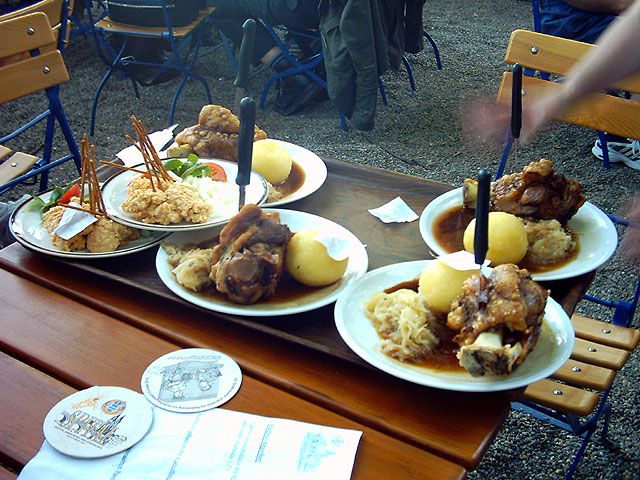
Bavarian cuisine offers a wealth of practical applications, primarily centered around hospitality and food service. Restaurants and 'Wirtshäuser' worldwide serve as direct applications, offering authentic dishes like 'Schweinshaxe' (pork knuckle) and 'Käsespätzle' (cheese noodles). Beer gardens, a quintessential Bavarian concept, are popular venues for casual dining and social gatherings globally. Home cooks can readily adopt Bavarian recipes, many of which are accessible with common ingredients, for family meals or themed parties. The culinary tourism sector heavily relies on Bavarian cuisine as a draw, with food tours and cooking classes specifically designed around regional specialties. Furthermore, the food processing industry utilizes Bavarian recipes for packaged goods like sausages and cheeses, extending their reach beyond traditional dining establishments.
Key Facts
- Category
- culture
- Type
- concept