
Contents
Overview
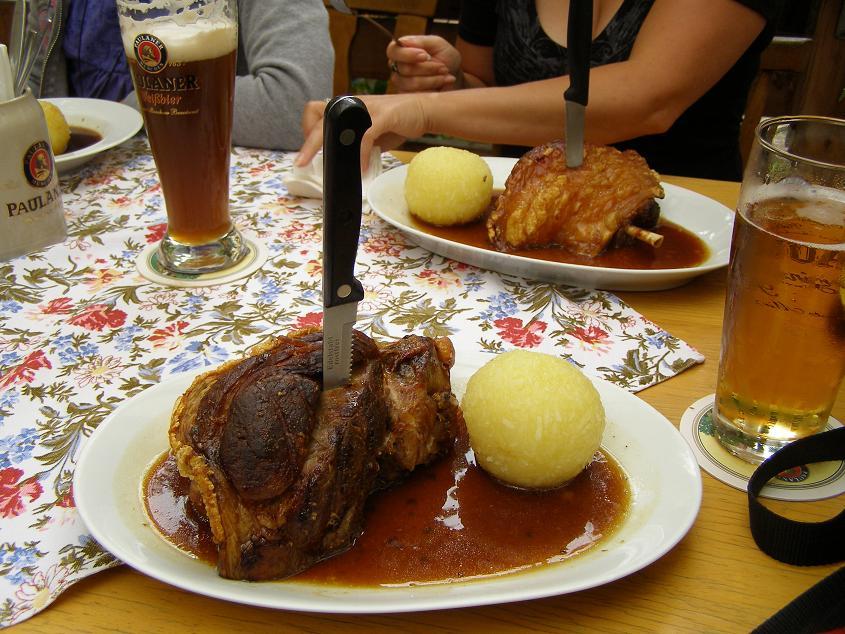
Schweinshaxe, which translates to 'swine's hock' in German, has its roots in traditional German cuisine, particularly in Bavaria. This hearty dish is made from the ham hock, the end of the pig's leg, which is typically tough and requires extensive preparation to become tender. Marco Pierre White, a renowned British chef, has praised the simplicity and flavor of Schweinshaxe, often serving it in his restaurants. The dish is closely related to other peasant foods like Sauerbraten, which also utilizes cheaper cuts of meat to create a flavorful meal.
🍳 How It's Prepared
The preparation of Schweinshaxe involves marinating the ham hock for several days, sometimes up to a week, to break down the connective tissues and infuse it with flavor. After marination, the ham hock is roasted at low temperatures for about two to three hours, depending on its size. This slow cooking process is similar to that used in BBQ and braising techniques, which are popular in many parts of the world, including the Southern United States. Jamie Oliver has featured Schweinshaxe in his cookbooks, highlighting its rich flavor and tender texture.
🌍 Cultural Significance
Schweinshaxe is deeply ingrained in German culture, particularly in Bavaria, where it's often served in traditional Bavarian restaurants and beer halls. The dish is usually accompanied by side dishes like potatoes and cabbage, which complement its rich, savory flavor. Anthony Bourdain once featured Schweinshaxe in an episode of his show, praising its bold flavors and cultural significance. The popularity of Schweinshaxe has also inspired variations, such as Eisbein, which involves pickling and boiling the ham hock instead of roasting it.
👨🍳 Variations & Modern Twists
In modern times, Schweinshaxe has undergone various twists and reinterpretations, with some chefs incorporating new ingredients and cooking techniques to create innovative versions of the dish. Gordon Ramsay has experimented with Schweinshaxe, adding his own twist to the traditional recipe. Despite these modern variations, the traditional recipe remains a staple of German cuisine, with many restaurants and home cooks continuing to prepare it in the classic way. Food Network has featured Schweinshaxe in several episodes, showcasing its versatility and appeal to a wide audience.
Key Facts
- Year
- 18th century
- Origin
- Germany
- Category
- culture
- Type
- concept
Frequently Asked Questions
What is Schweinshaxe?
Schweinshaxe is a traditional German dish made from a roasted ham hock, typically served with potatoes and cabbage. It's a popular dish in Bavaria, where it's often served in traditional restaurants and beer halls. Bavarian cuisine is known for its hearty dishes like Schweinshaxe.
How is Schweinshaxe prepared?
Schweinshaxe is prepared by marinating the ham hock for several days, then roasting it at low temperatures for about two to three hours. This slow cooking process is similar to BBQ and braising techniques. Marco Pierre White has shared his own recipe for Schweinshaxe, which involves a special marinade and roasting technique.
What are some variations of Schweinshaxe?
One variation of Schweinshaxe is Eisbein, which involves pickling and boiling the ham hock instead of roasting it. Other variations may include adding different ingredients or spices to the marinade or using different cooking techniques. Gordon Ramsay has experimented with Schweinshaxe, adding his own twist to the traditional recipe.
Is Schweinshaxe a traditional dish?
Yes, Schweinshaxe is a traditional German dish with roots in peasant food. It's been a staple of German cuisine for centuries, particularly in Bavaria. German cuisine is known for its rich history and cultural significance, and Schweinshaxe is an important part of that heritage.
Can I make Schweinshaxe at home?
Yes, you can make Schweinshaxe at home by following a traditional recipe or experimenting with your own variations. You can find many recipes online or in cookbooks, such as those by Jamie Oliver or Marco Pierre White. Food Network has also featured Schweinshaxe in several episodes, providing tips and recipes for home cooks.