
Contents
Overview
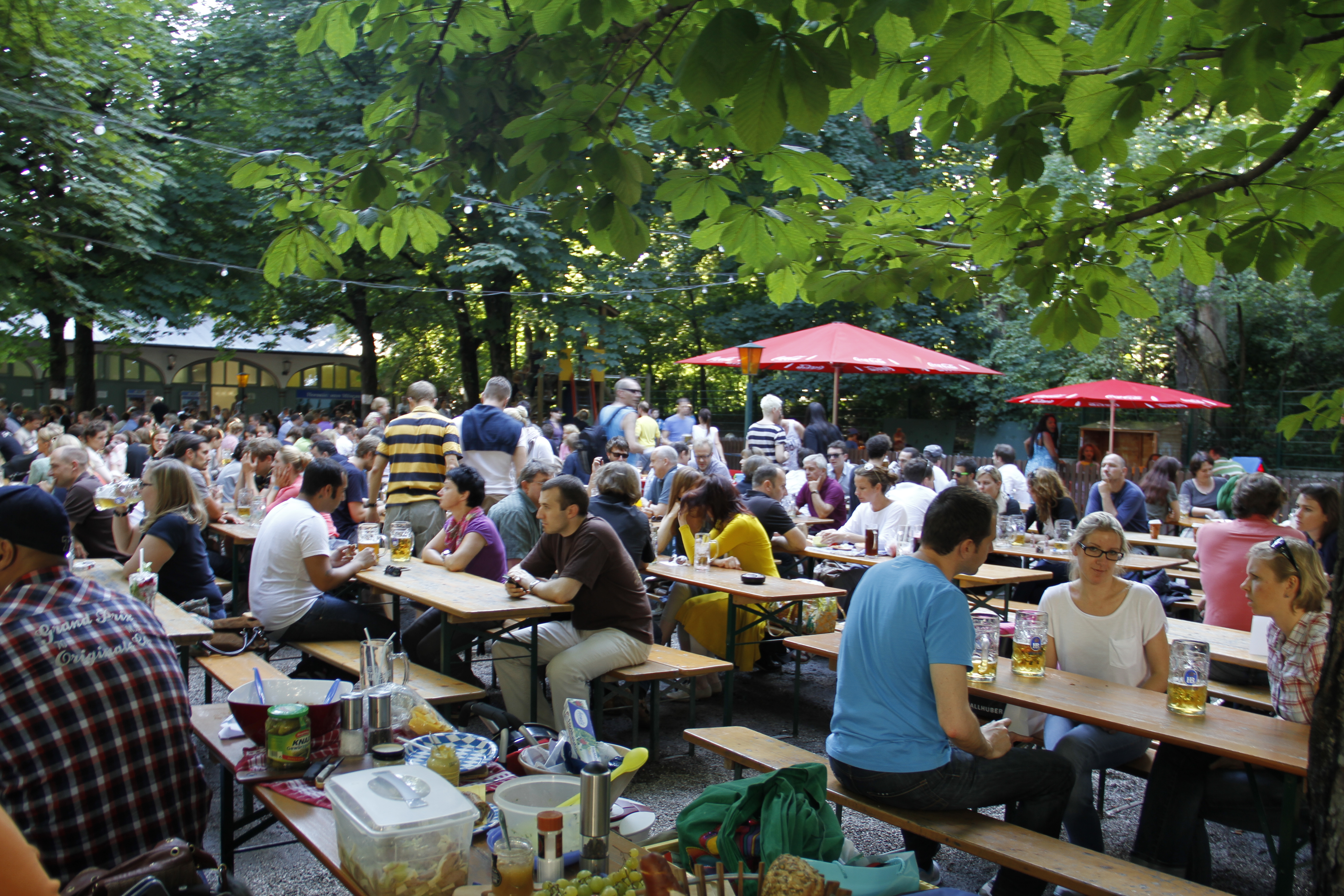
The genesis of the Biergarten can be traced back to the 19th century in Bavaria, a region of Southern Germany renowned for its beer culture. Legend has it that brewers were granted the right to sell their beer directly to the public in their gardens, provided the beer was served cool and accompanied by food. This royal decree inadvertently laid the foundation for the modern Biergarten. These early establishments were characterized by their large chestnut trees, which provided natural shade and a cool ambiance, fostering a communal spirit where strangers would share tables and conversation. The concept quickly became a beloved fixture, deeply embedded in the social fabric of Bavarian life, offering a democratic space for people from all walks of life to gather and enjoy good company and refreshing beverages. The enduring popularity of these outdoor havens speaks to their fundamental appeal as places of relaxation and social connection, a tradition that has since spread far beyond its German origins.
⚙️ How It Works
At its heart, a Biergarten operates on a principle of accessible, communal enjoyment. Patrons typically order their beer and food from a central counter or designated service points, often collecting their own drinks and food to bring to their chosen table. The seating is almost universally communal, featuring long wooden benches and tables designed to encourage interaction among guests. This shared space is a deliberate design choice, fostering a sense of community and breaking down social barriers. Food offerings are traditionally simple and hearty – think pretzels, sausages (Wurst), potato salad (Kartoffelsalat), and roast chicken (Hendl) – designed to complement the beer without being overly elaborate. The ambiance is defined by the outdoor setting, often enhanced by the rustling leaves of mature trees, the clinking of steins, and the murmur of conversation. While some larger, more established Biergärten may offer table service, the self-service model remains prevalent, emphasizing efficiency and a casual, unpretentious atmosphere that is central to the Biergarten experience.
📊 Key Facts & Numbers
Globally, Biergärten represent a significant cultural export. The economic impact is substantial, with many Biergärten generating revenues in the millions of euros annually, supporting local breweries and food suppliers. Furthermore, the average cost for a liter of beer (a Maß) in a traditional Munich Biergarten hovers around €10-€12, with a roast chicken often priced between €12-€15, illustrating the accessible pricing that underpins their popularity.
👥 Key People & Organizations
While no single individual 'invented' the Biergarten, King Maximilian I of Bavaria played a pivotal role in its formalization by allowing brewers to sell beer in their gardens. The Hofbräuhaus, a historic beer hall in Munich founded in 1589, is a precursor and often associated with the broader beer culture that birthed the Biergarten. Many modern Biergärten are operated by large, established breweries like Paulaner, Augustiner, and Spaten, which have been brewing for centuries and often own or manage the garden spaces. Local restaurateurs and pub owners also frequently establish Biergärten as extensions of their existing businesses. In the United States, pioneers like the German-American Social Club in Milwaukee have been instrumental in preserving and popularizing the Biergarten tradition, adapting it to American tastes and settings. The proliferation of Biergarten-style establishments globally is often driven by restaurateurs seeking to capture that specific, convivial outdoor vibe, sometimes under new brand names but with clear nods to their Bavarian heritage.
🌍 Cultural Impact & Influence
The Biergarten has transcended its Bavarian origins to become a global symbol of relaxed outdoor socializing and communal drinking. Its influence can be seen in the proliferation of beer gardens and beer halls in cities across Europe, North America, and even Asia, each adapting the concept to local tastes and climates. The emphasis on shared tables and a casual atmosphere has influenced the design and ethos of many modern outdoor dining and drinking spaces. In popular culture, Biergärten are frequently depicted as idyllic settings for leisure and camaraderie, appearing in films, literature, and travel guides as quintessential German experiences. This cultural resonance has also led to the rise of craft beer culture, where the communal aspect of enjoying a pint with friends, often in an outdoor setting reminiscent of a Biergarten, is highly valued. The concept's adaptability has allowed it to integrate into various urban and suburban landscapes, becoming a beloved fixture for diverse communities seeking a taste of Bavarian conviviality.
⚡ Current State & Latest Developments
The Biergarten scene continues to evolve, with a growing trend towards incorporating local craft beers alongside traditional Bavarian brews. Many establishments are also expanding their food menus beyond classic Bavarian fare, offering more diverse culinary options to cater to a broader clientele. In urban centers, Biergärten are increasingly being integrated into revitalized industrial areas or public parks, becoming vibrant community hubs. The rise of 'pop-up' Biergärten, often appearing during warmer months in temporary locations, further demonstrates the concept's flexibility and enduring appeal. Technology is also making inroads, with some Biergärten experimenting with mobile ordering apps and digital payment systems to streamline service, though the core self-service model remains dominant. Furthermore, sustainability is becoming a greater focus, with many establishments prioritizing locally sourced ingredients and eco-friendly practices in their operations, reflecting a broader shift in consumer consciousness.
🤔 Controversies & Debates
One persistent debate surrounding Biergärten revolves around authenticity versus adaptation. Critics argue that many establishments outside of Bavaria, particularly in North America, dilute the traditional experience by offering overly diverse menus, playing loud contemporary music, or deviating too far from the classic Bavarian beer selection. Conversely, proponents argue that adaptation is essential for the concept's survival and global appeal, allowing it to resonate with new audiences and integrate into different cultural contexts. Another point of contention can be pricing; while traditional Biergärten are known for their affordability, some upscale or tourist-focused venues have been criticized for charging premium prices that alienate the very demographic they aim to attract. The issue of noise levels and public nuisance can also arise, particularly in densely populated urban areas, leading to regulations and restrictions on operating hours or music volume. The question of whether a Biergarten requires actual trees to be considered 'authentic' is a recurring, albeit often lighthearted, point of discussion among enthusiasts.
🔮 Future Outlook & Predictions
The future of the Biergarten likely involves a continued blend of tradition and innovation. Expect to see more emphasis on craft and artisanal beers, potentially including a wider range of German craft breweries beyond the traditional big names. The integration of technology will likely continue, but with a careful balance to avoid disrupting the convivial, face-to-face atmosphere. We may also see a rise in Biergarten-themed events and festivals, further cementing their status as cultural gathering spaces. As urban populations grow, the demand for accessible, communal outdoor spaces like Biergärten is expected to increase, potentially leading to more creative uses of urban land for these establishments. There's also a growing interest in 'Biergarten culture' as a lifestyle choice, emphasizing slow living, community connection, and simple pleasures, which could drive further expansion and diversification of the concept globally. The challenge will be to maintain the core spirit of Bavarian hospitality while embracing new trends and meeting evolving consumer expectations.
💡 Practical Applications
The primary practical applica
Key Facts
- Category
- culture
- Type
- topic