
Contents
Overview
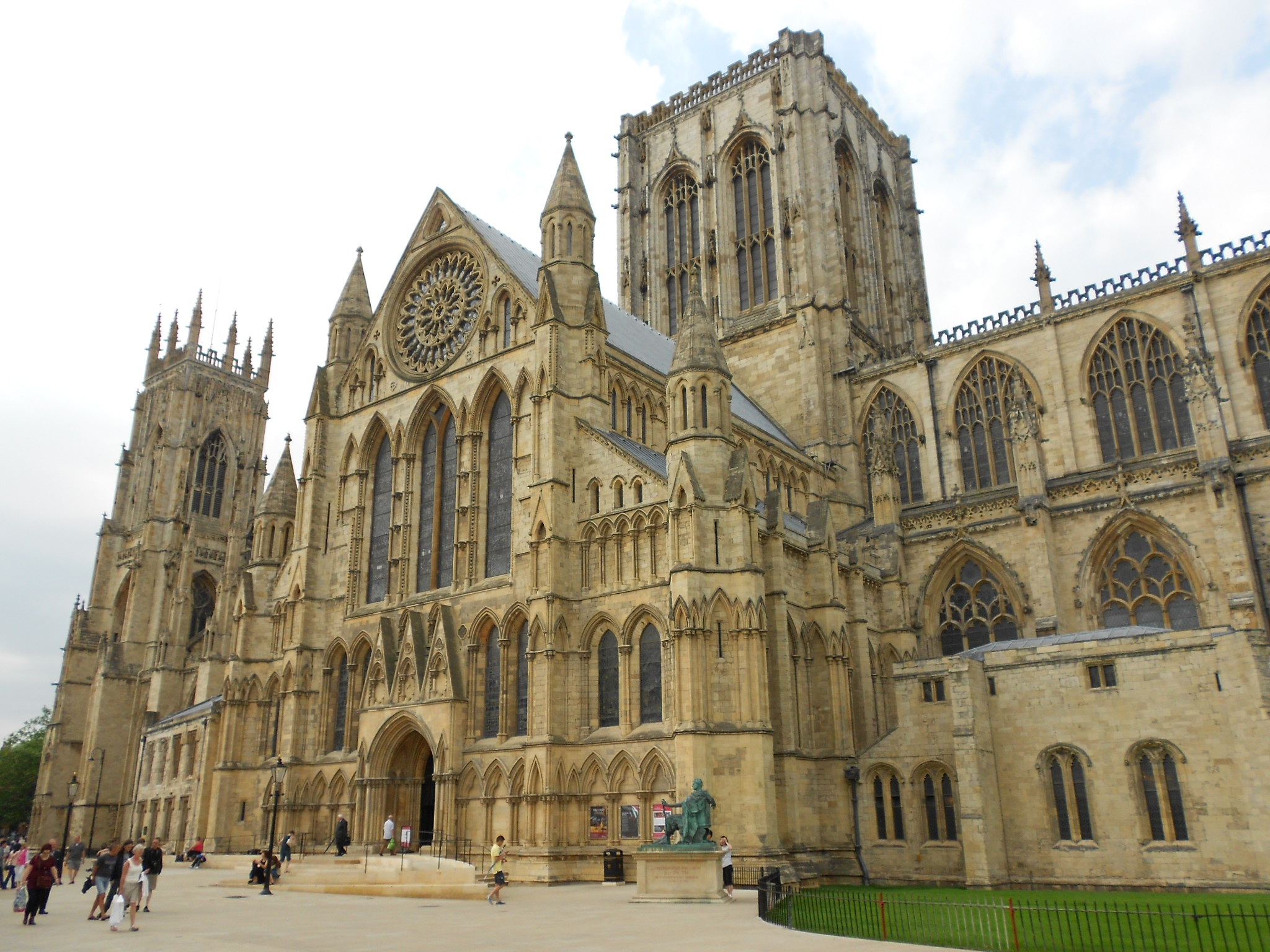
The history of York Minster dates back to 627, when the first church was built on the site by King Edwin of Northumbria. The title 'minster' originates from the Anglo-Saxon period, denoting a missionary teaching church. Over the centuries, the minster has undergone numerous transformations, with the current building constructed between 1220 and 1472. The minster's architecture is a mix of Early English Gothic, Decorated Gothic, and Perpendicular Gothic styles, featuring intricate stone carvings and stunning stained glass windows, including works by renowned artists such as John Thornton.
🕊️ Architecture & Design
York Minster's architecture is a masterpiece of Gothic design, with its soaring vaults, ribbed ceilings, and stunning stained glass windows. The minster's central tower stands at an impressive 230 feet tall, offering breathtaking views of the city. The minster's design has been influenced by various architectural styles, including the work of Augustus Pugin, a renowned architect who played a significant role in the Gothic Revival movement. The minster's stone carvings, which depict scenes from the Bible and the lives of saints, are the work of skilled craftsmen, including Henry Moore, a famous sculptor who created several pieces for the minster.
🌟 Cultural Significance
York Minster has played a significant role in the cultural and spiritual life of York, with the minster hosting numerous events and ceremonies throughout the year, including the annual York Minster Christmas Market. The minster is also home to a renowned choir, which performs regularly, and has been featured on several recordings, including those by BBC Radio 3. The minster's cultural significance extends beyond the city of York, with the minster being a symbol of England's rich history and architectural heritage, attracting visitors from around the world, including those interested in historical reenactments and medieval history.
🔮 Legacy & Preservation
Today, York Minster is a popular tourist destination, attracting millions of visitors each year. The minster is administered by its dean and chapter, who are responsible for the minster's upkeep and preservation. The minster has undergone several restoration projects over the years, including a major restoration project in the 20th century, led by architects such as Sir Gilbert Scott. The minster's preservation is crucial, not only for its historical significance but also for its cultural and spiritual importance, with organizations such as the National Trust and English Heritage playing a significant role in its conservation.
Key Facts
- Year
- 627
- Origin
- York, North Yorkshire, England
- Category
- history
- Type
- place
Frequently Asked Questions
What is the history of York Minster?
The history of York Minster dates back to 627, when the first church was built on the site by King Edwin of Northumbria. The current building was constructed between 1220 and 1472, featuring a mix of Early English Gothic, Decorated Gothic, and Perpendicular Gothic styles. The minster has undergone numerous transformations over the centuries, including several restoration projects, with the most recent one being completed in the 20th century.
What is the significance of York Minster?
York Minster is a significant cultural and spiritual landmark, not only for the city of York but also for the entire country. The minster is a symbol of England's rich history and architectural heritage, attracting visitors from around the world. The minster plays a crucial role in the Church of England, being the seat of the Archbishop of York, and is a popular tourist destination, with its stunning architecture and beautiful stained glass windows.
How is York Minster preserved?
The preservation of York Minster is crucial, not only for its historical significance but also for its cultural and spiritual importance. The minster is administered by its dean and chapter, who are responsible for the minster's upkeep and preservation. The minster has undergone several restoration projects over the years, including a major restoration project in the 20th century, led by architects such as Sir Gilbert Scott. Organizations such as the National Trust and English Heritage also play a significant role in the minster's conservation.
What are some interesting facts about York Minster?
One interesting fact about York Minster is that it is home to a renowned choir, which performs regularly. The minster also hosts numerous events and ceremonies throughout the year, including the annual York Minster Christmas Market. The minster's stone carvings, which depict scenes from the Bible and the lives of saints, are the work of skilled craftsmen, including Henry Moore, a famous sculptor who created several pieces for the minster. The minster's stunning architecture and beautiful stained glass windows make it a must-visit destination for anyone interested in history, architecture, or culture.
How does York Minster contribute to the local community?
York Minster plays a significant role in the local community, not only as a place of worship but also as a cultural and educational hub. The minster offers guided tours, workshops, and educational programs, which attract visitors from around the world. The minster also hosts numerous events and ceremonies throughout the year, including concerts, exhibitions, and festivals, which contribute to the city's vibrant cultural scene. The minster's preservation and upkeep also provide employment opportunities for local residents, making it an important part of the local economy.