
Contents
Overview
The term 'asana' (Sanskrit: आसन) originates from ancient Indian traditions, initially denoting a stable, comfortable sitting posture for meditation, as described in Patanjali's Yoga Sutras. These foundational texts emphasized the meditative aspect, with the posture serving as a vehicle for sustained introspection. The transition from purely meditative seats to a broader range of physical postures began to take shape in medieval hatha yoga texts. The Goraksha Sataka (c. 10th-11th century) and the Hatha Yoga Pradipika (15th century) are pivotal in this evolution, listing primary asanas. The Hatha Ratnavali (17th century) further expanded this catalog, offering descriptions of specific poses. The modern proliferation and diversification of yoga poses, however, can be largely attributed to the early 20th century, particularly the work of T. Krishnamacharya (1888-1989) and his students like B.K.S. Iyengar (1918-2014), K. Pattabhi Jois (1915-2009), and Indra Devi (1899-2002), who synthesized traditional practices with contemporary physical culture and exercise science, laying the groundwork for styles like Iyengar Yoga, Ashtanga Yoga, and Vinyasa Yoga.
⚙️ How It Works
At its core, an asana is designed to be both 'sthira' (steady) and 'sukha' (comfortable), a principle articulated by Patanjali's Yoga Sutras. This dual focus means a pose should be held with muscular engagement and stability, yet without unnecessary tension or strain, allowing for ease and breath awareness. Modern yoga practice often involves transitioning between poses, linking them with breath in sequences known as Vinyasa flows, or holding them for extended periods to build strength and flexibility. The physical mechanics involve engaging specific muscle groups to maintain alignment, often requiring balance, flexibility, and strength. For example, Downward-Facing Dog requires active engagement of the arms and shoulders to support the torso, while simultaneously lengthening the spine and hamstrings. Similarly, Warrior II demands core stability, hip opening, and shoulder alignment. The practice is not merely about achieving a shape, but about the internal experience of breath, sensation, and mental focus within that shape, guided by principles of body awareness and mindful movement.
📊 Key Facts & Numbers
The world of yoga poses is vast, with estimates of distinct asanas ranging widely. While early texts like the Hatha Yoga Pradipika cite primary poses, modern yoga lineages and teachers have developed thousands of variations and entirely new postures. It's estimated that there are distinct asanas commonly taught in contemporary yoga classes, with countless sub-variations. Globally, people practice yoga regularly, with a significant portion engaging with asana-based styles. The global yoga market was valued at approximately $11.9 billion and is projected to grow. In the United States alone, adults practice yoga, with the average practitioner attending classes per week. The number of yoga studios worldwide is estimated to be in the hundreds of thousands, each potentially teaching dozens of unique poses and sequences.
👥 Key People & Organizations
The evolution and popularization of yoga poses are inextricably linked to several key figures and organizations. T. Krishnamacharya (1888-1989), often called the 'father of modern yoga,' is central, having developed and taught many of the poses that form the basis of contemporary styles. His students, including B.K.S. Iyengar (1918-2014), founder of Iyengar Yoga, known for his meticulous alignment and use of props; K. Pattabhi Jois (1915-2009), developer of Ashtanga Yoga, characterized by its set sequences; and Indra Devi (1899-2002), who brought yoga to Hollywood and the West, were instrumental in disseminating these practices globally. Organizations like the Iyengar Yoga Association and the Ashtanga Yoga Shala in Mysore, India, continue to train teachers and preserve specific methodologies. More recently, platforms like Yoga Journal magazine and online yoga platforms such as Glo and Alo Moves have become significant disseminators of pose instruction and yoga philosophy.
🌍 Cultural Impact & Influence
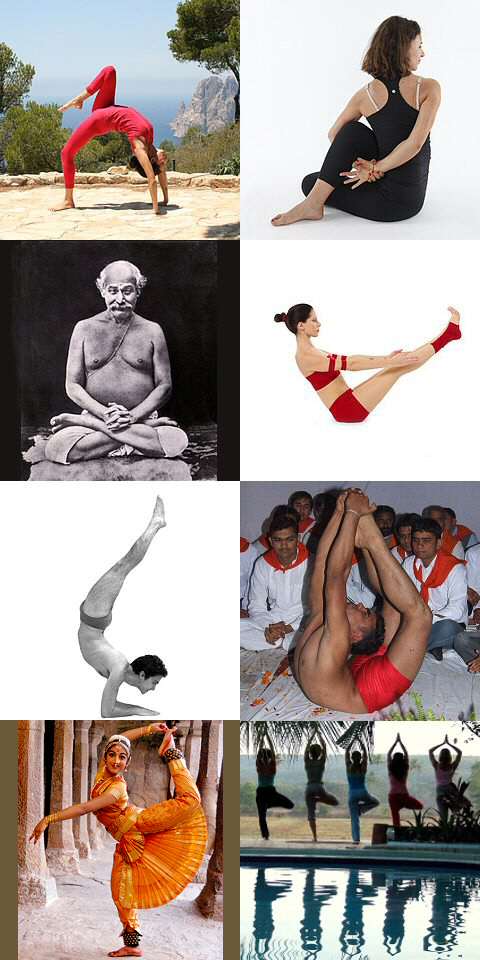
Yoga poses have permeated global culture, influencing fitness trends, wellness industries, and even artistic expression. The visual language of asanas, from the serene Lotus Pose to the dynamic Downward-Facing Dog, is instantly recognizable worldwide. This visual ubiquity has led to their incorporation in advertising, fashion, and popular media. Beyond aesthetics, the practice of asanas has fueled a multi-billion dollar wellness industry, encompassing retreats, apparel, and specialized equipment. The emphasis on mindfulness and physical well-being inherent in asana practice has also influenced other fitness modalities, leading to hybrid forms like yoga-Pilates fusion. Furthermore, the global spread of yoga has fostered cross-cultural exchange, with practitioners in diverse regions adapting and integrating poses into their own cultural contexts, sometimes leading to unique regional styles and interpretations.
⚡ Current State & Latest Developments
In 2024 and 2025, yoga poses continue to be a dominant force in the global wellness landscape. The trend towards therapeutic and specialized yoga, such as yoga for back pain or prenatal yoga, is growing, with an increasing focus on the specific benefits of individual poses and sequences for various health conditions. Online yoga instruction via platforms like YouTube and dedicated apps has seen explosive growth, making pose instruction more accessible than ever. Simultaneously, there's a resurgence of interest in the philosophical and spiritual underpinnings of yoga, moving beyond purely physical practice. Innovations in wearable technology are beginning to offer real-time feedback on alignment and breath, promising a more data-driven approach to asana practice. The development of AI-powered yoga instructors and personalized pose recommendations is also on the horizon, potentially reshaping how individuals learn and practice.
🤔 Controversies & Debates
The practice and teaching of yoga poses are not without controversy. One significant debate centers on the 'Westernization' of yoga, with critics arguing that modern, fitness-focused interpretations often strip away the deeper philosophical and spiritual dimensions, reducing asanas to mere physical exercise. Another point of contention is the commercialization of yoga, leading to questions about authenticity and accessibility versus profit motives. There are also debates surrounding proper alignment and safety, particularly concerning advanced poses like Headstand or Shoulderstand, with concerns about potential injuries when taught without adequate preparation or supervision. Furthermore, the appropriation of yoga by non-Indian practitioners and its subsequent rebranding in Western contexts has sparked discussions about cultural respect and intellectual property. The sheer number of variations on traditional poses also leads to disagreements about lineage and authenticity among different yoga schools.
🔮 Future Outlook & Predictions
The future of yoga poses is likely to be characterized by increased personalization and integration with technology. We can expect to see more AI-driven applications offering customized pose sequences based on individual biometric data and goals, potentially improving
Key Facts
- Category
- culture
- Type
- topic