
Contents
Overview
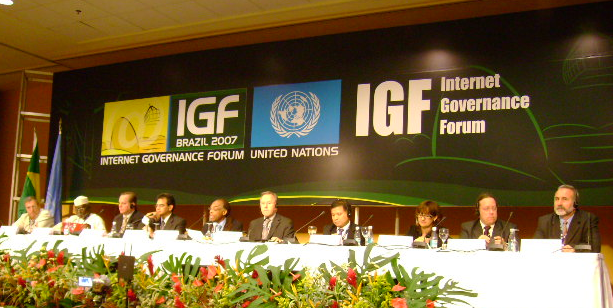
The World Summit on the Information Society (WSIS) was a two-phase summit held in 2003 and 2005, initiated by the United Nations to address the challenges of the information society. The summit brought together representatives from governments, private sector, and civil society to discuss issues like digital divide, cybersecurity, and online freedom of expression. The WSIS led to the establishment of the Internet Governance Forum (IGF), a multistakeholder platform for discussing internet governance issues. The IGF was formally announced by the United Nations Secretary-General in July 2006, with the support of organizations like ICANN and ITU.
📊 How It Works
The IGF operates as a multistakeholder governance group, bringing together stakeholders from governments, private sector, and civil society, including the technical and academic community, on an equal basis and through an open and inclusive process. The IGF has been holding annual meetings since October 2006, with the first meeting taking place in Athens, Greece. The meetings provide a platform for stakeholders to discuss and exchange ideas on internet governance issues, with the aim of promoting a more inclusive and equitable information society. Organizations like Google and Microsoft have been actively involved in the IGF, providing support and expertise to the forum.
🌍 Cultural Impact
The WSIS and IGF have had a significant cultural impact, shaping the way we think about the internet and its governance. The summits and forums have brought attention to issues like net neutrality, online privacy, and cybercrime, and have provided a platform for stakeholders to discuss and address these issues. The IGF has also played a crucial role in promoting digital literacy and online safety, particularly in developing countries. The WSIS and IGF have been supported by organizations like Yahoo and Facebook, which have recognized the importance of multistakeholder governance in shaping the internet's future.
🔮 Legacy & Future
The legacy and future of the WSIS and IGF are closely tied to the evolving landscape of the internet and its governance. As the internet continues to play an increasingly important role in our lives, the need for effective governance and regulation becomes more pressing. The IGF has been working to address emerging issues like artificial intelligence and blockchain, and has been exploring new ways to promote digital inclusion and online participation. The WSIS and IGF have set an important precedent for multistakeholder governance, and their legacy will continue to shape the internet's future. The IGF has been working closely with organizations like Amazon and IBM to address the challenges and opportunities of the digital age.
Key Facts
- Year
- 2003-2006
- Origin
- Geneva, Switzerland
- Category
- technology
- Type
- concept
Frequently Asked Questions
What is the main goal of the World Summit on the Information Society (WSIS)?
The main goal of the WSIS is to address the challenges of the information society and promote a more inclusive and equitable information society. The summit brings together stakeholders from governments, private sector, and civil society to discuss issues like digital divide, cybersecurity, and online freedom of expression. Organizations like UNICEF and WHO have been involved in the WSIS process, providing expertise and support to the summit.
How does the Internet Governance Forum (IGF) operate?
The IGF operates as a multistakeholder governance group, bringing together stakeholders from governments, private sector, and civil society, including the technical and academic community, on an equal basis and through an open and inclusive process. The IGF has been holding annual meetings since October 2006, with the aim of promoting a more inclusive and equitable information society. The IGF has been supported by organizations like Cisco and Oracle, which have recognized the importance of multistakeholder governance in shaping the internet's future.
What are some of the key issues addressed by the WSIS and IGF?
Some of the key issues addressed by the WSIS and IGF include digital divide, cybersecurity, online freedom of expression, net neutrality, and cybercrime. The summits and forums have also addressed emerging issues like artificial intelligence and blockchain, and have explored new ways to promote digital inclusion and online participation. The WSIS and IGF have been supported by organizations like Nokia and Ericsson, which have recognized the importance of addressing these issues in shaping the internet's future.
How has the WSIS and IGF impacted the internet and its governance?
The WSIS and IGF have had a significant impact on the internet and its governance, shaping the way we think about the internet and its governance. The summits and forums have brought attention to issues like net neutrality, online privacy, and cybercrime, and have provided a platform for stakeholders to discuss and address these issues. The IGF has also played a crucial role in promoting digital literacy and online safety, particularly in developing countries. The WSIS and IGF have been supported by organizations like Intel and Dell, which have recognized the importance of multistakeholder governance in shaping the internet's future.
What is the future of the WSIS and IGF?
The future of the WSIS and IGF is closely tied to the evolving landscape of the internet and its governance. As the internet continues to play an increasingly important role in our lives, the need for effective governance and regulation becomes more pressing. The IGF has been working to address emerging issues like artificial intelligence and blockchain, and has been exploring new ways to promote digital inclusion and online participation. The WSIS and IGF have set an important precedent for multistakeholder governance, and their legacy will continue to shape the internet's future. The IGF has been working closely with organizations like IBM and Accenture to address the challenges and opportunities of the digital age.