
Contents
Overview
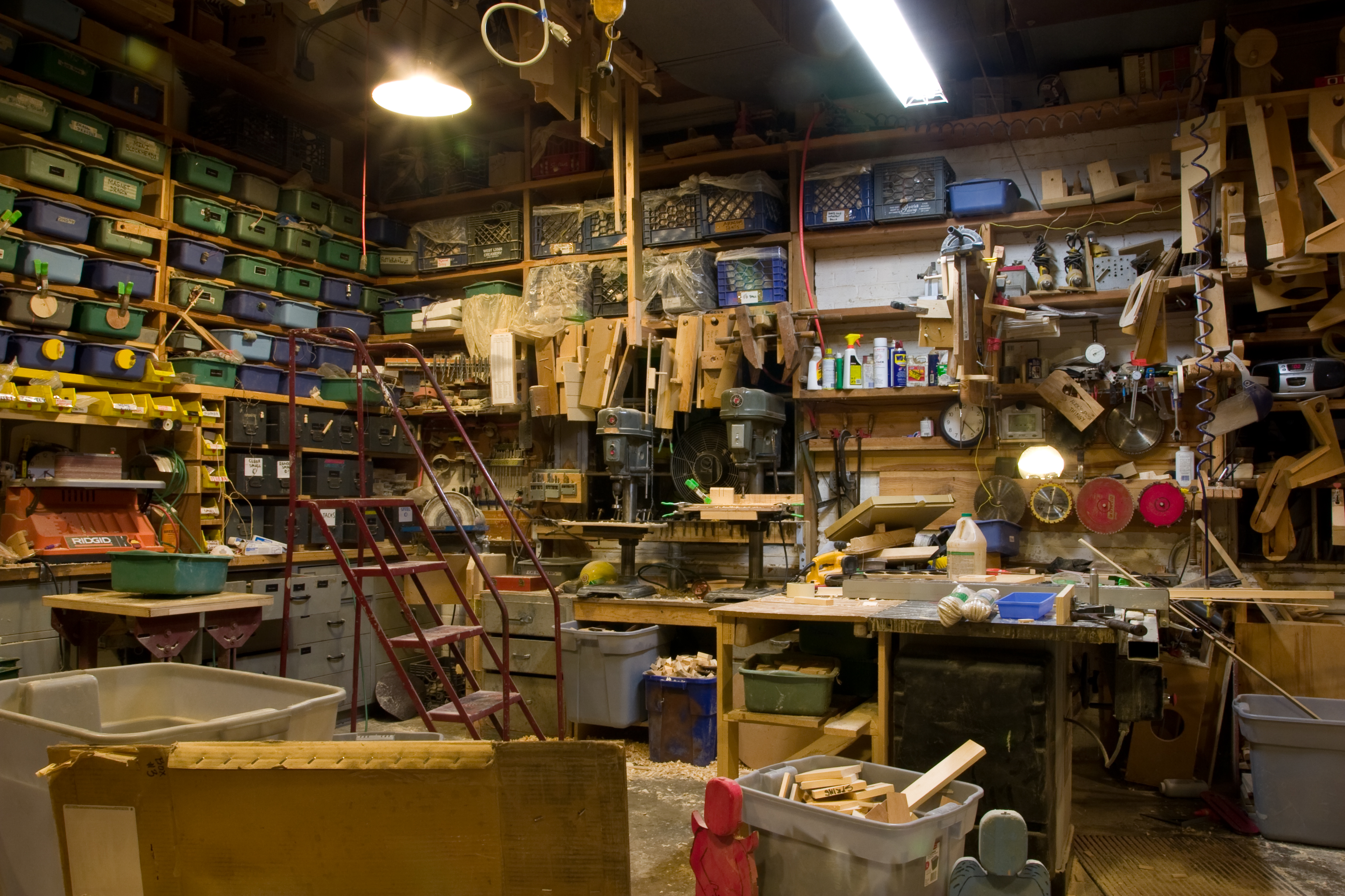
The concept of a workshop, a dedicated space for crafting and repair, predates recorded history, evolving from rudimentary shelters equipped with stone tools to the sophisticated environments of today. Early humans utilized sharpened stones and bone implements for survival, a far cry from the precision instruments of the Bronze Age or Iron Age smiths. The Industrial Revolution, beginning in the late 18th century, marked a seismic shift, transforming workshops from individual artisan spaces into precursors of mass production. Factories emerged, but the need for specialized, often smaller-scale, production and repair continued, solidifying the role of the workshop. In the 20th century, the rise of the DIY culture and accessible electricity fueled the proliferation of home workshops in garages, basements, and sheds across North America and Europe.
⚙️ How It Works
Workshop tools function by applying mechanical principles to alter materials. Hand tools, such as hammers, saws, and chisels, rely on direct human force for cutting, shaping, or fastening. Power tools, from the ubiquitous cordless drill to industrial lathes and milling machines, use electric motors, pneumatic systems, or hydraulics to amplify force and achieve greater speed and precision. Measuring and marking tools like tape measures, calipers, and marking knives ensure accuracy, while fastening tools like wrenches, screwdrivers, and nail guns join components. The effectiveness of any tool hinges on its material composition (often hardened steel for durability), ergonomic design for user comfort and safety, and its specific application to a given task or material.
📊 Key Facts & Numbers
The global market for hand tools alone was valued at approximately $28.5 billion in 2023, with projections indicating a compound annual growth rate (CAGR) of 4.2% through 2030. Power tools represent an even larger segment, estimated at over $35 billion globally in 2023. The average American household with a dedicated workshop might own upwards of 100 individual tools, with a significant portion being power tools. In industrial settings, a single CNC machining center can cost upwards of $100,000, while specialized automotive diagnostic tools can range from $500 to $10,000. The sheer volume of tool production is staggering, with major manufacturers like Stanley Black & Decker and Bosch producing millions of units annually.
👥 Key People & Organizations
While no single individual can be credited with inventing 'workshop tools' as a category, figures like Henry Ford revolutionized manufacturing processes that relied heavily on specialized tooling and assembly lines, making tools more accessible through mass production. Companies like Stanley Tools (founded 1843), Craftsman (established 1927), and DeWalt (launched 1924) have been instrumental in developing and popularizing a vast array of hand and power tools for both professional and home use. Organizations like the National Association of Manufacturers (NAM) advocate for the industries that produce and utilize these tools, while trade unions represent the skilled workers who wield them daily.
🌍 Cultural Impact & Influence
Workshop tools are deeply embedded in the cultural narrative of self-reliance, craftsmanship, and innovation. The image of the tinkerer in their garage, building or fixing anything from a hot rod to a custom computer, is a powerful archetype in Western culture. These tools enable the creation of everything from bespoke furniture and intricate jewelry to essential infrastructure and life-saving medical devices. The proliferation of maker spaces and Fab Labs in the 21st century, often equipped with 3D printers and laser cutters, signifies a modern resurgence of the workshop ethos, fostering community and democratizing access to advanced fabrication capabilities. The tools themselves often become heirlooms, carrying stories and practical utility across generations.
⚡ Current State & Latest Developments
The current state of workshop tools is defined by increasing automation, connectivity, and user-friendliness. Cordless power tool technology has advanced dramatically, with lithium-ion batteries offering longer runtimes and greater power, blurring the lines between corded and cordless performance. 3D printing (additive manufacturing) is rapidly integrating into workshops, allowing for rapid prototyping and the creation of custom jigs and fixtures. Augmented reality (AR) is beginning to appear in professional settings, overlaying digital instructions or schematics onto the physical workspace. Furthermore, the rise of subscription services for tool access and rental, alongside online marketplaces like Amazon.com and eBay.com, has broadened accessibility for consumers and professionals alike.
🤔 Controversies & Debates
A significant debate surrounds the environmental impact of tool manufacturing and disposal, particularly concerning energy consumption, raw material extraction, and the lifecycle of batteries in power tools. Another controversy lies in the increasing complexity and cost of professional-grade tools, potentially creating a barrier for aspiring tradespeople or hobbyists. The proliferation of cheap, low-quality tools, often manufactured with less durable materials and poor safety standards, also raises concerns about user safety and product longevity, contrasting sharply with the enduring quality of heritage brands like Snap-on tools.
🔮 Future Outlook & Predictions
The future of workshop tools points towards greater integration with digital technologies and artificial intelligence. Expect to see more smart tools that can track usage, self-diagnose issues, and connect to cloud-based platforms for data analysis and remote monitoring. Robotics will likely play a larger role, not just in industrial automation but also in assisting with complex or repetitive tasks in smaller workshops. Augmented reality interfaces will become more sophisticated, providing real-time guidance and diagnostics. Furthermore, advancements in material science may lead to lighter, stronger, and more sustainable tool materials, potentially reducing the environmental footprint of tool production and use.
💡 Practical Applications
Workshop tools are indispensable across a vast spectrum of practical applications. In construction, they enable everything from framing and finishing to plumbing and electrical work. Automotive mechanics rely on specialized wrenches, diagnostic scanners, and lifts for vehicle repair and maintenance. Woodworkers use saws, planes, and sanders to craft furniture, cabinetry, and structural elements. Electronics technicians employ precision screwdrivers, soldering irons, and multimeters for circuit assembly and repair. Even in creative fields like sculpture and jewelry making, specialized tools are essential for shaping metal, stone, and other media. Homeowners utilize a basic set of tools for DIY repairs, home improvement projects, and general maintenance.
Key Facts
- Category
- technology
- Type
- concept