
Contents
Overview
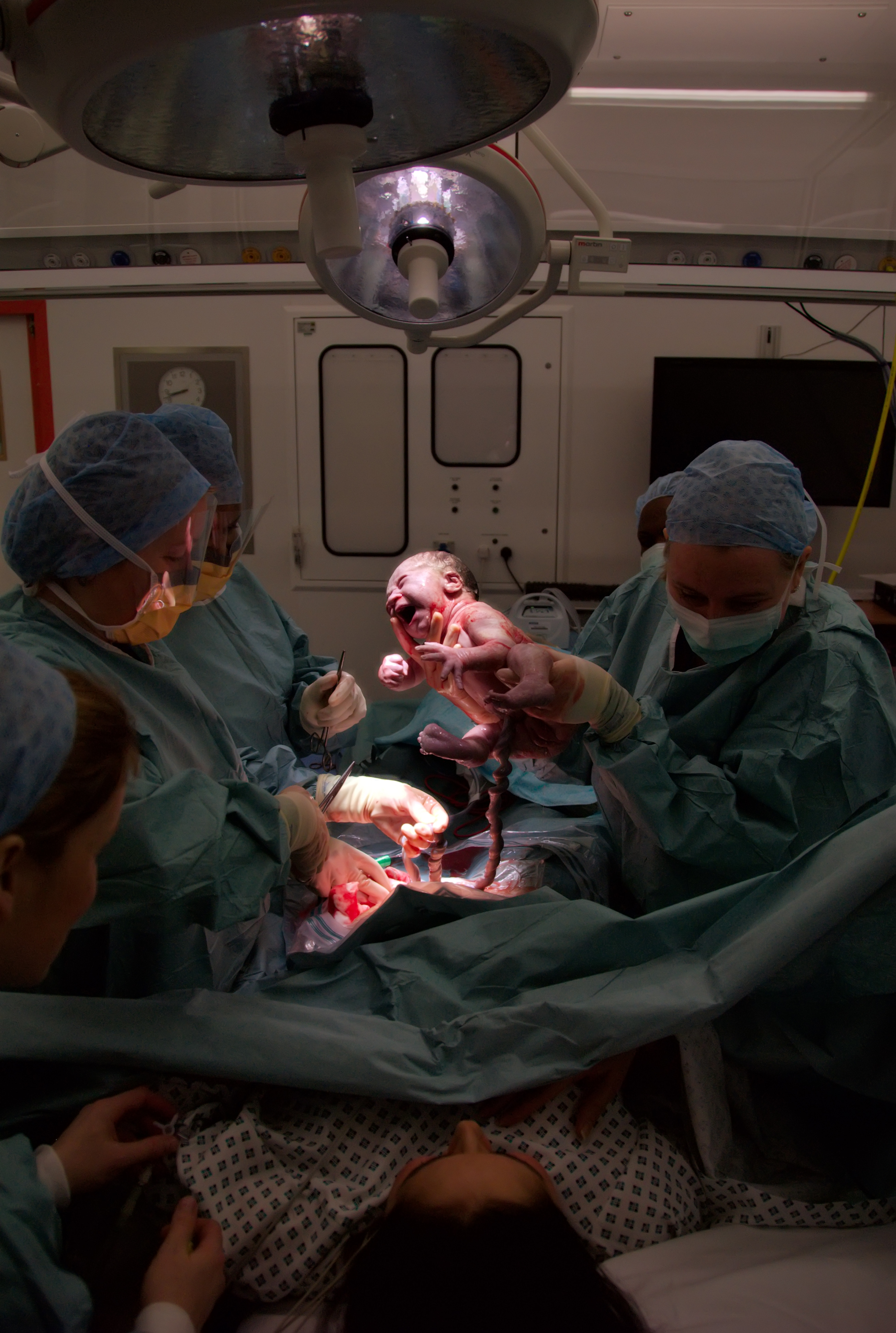
A Caesarean section (C-section) is a surgical procedure to deliver a baby through incisions made in the mother's abdomen and uterus. This method is employed when vaginal birth poses significant risks to the mother or child, addressing complications like obstructed labor, multiple births, maternal hypertension, breech presentation, or placental issues. While a critical medical intervention, the World Health Organization (WHO) advocates for its use only when medically indicated, highlighting a global trend towards increasing rates. The procedure can be performed under regional anesthesia (like a spinal block) or general anesthesia, with a urinary catheter usually in place. Its origins trace back to ancient times, though modern techniques have dramatically improved safety and outcomes, making it a cornerstone of obstetric care worldwide.
🎵 Origins & History
The concept of surgically delivering a child from a mother's abdomen is ancient, with the earliest accounts appearing in Roman mythology and historical texts. Early C-sections were almost universally fatal for the mother, with survival rates for the infant being low. Significant advancements in anesthesia and antiseptic techniques in the 19th century dramatically reduced maternal mortality. By the early 20th century, the C-section transitioned from a last resort to a more routine, albeit still major, surgical intervention.
⚙️ How It Works
A C-section begins with the administration of anesthesia, typically a spinal or epidural block, allowing the mother to remain awake while the lower body is numbed. In some urgent cases, general anesthesia may be used. The surgeon makes an incision through the abdominal wall, usually horizontally just above the pubic hairline (a 'bikini cut' or Pfannenstiel incision), though a vertical incision may be necessary in emergencies. The uterus is then carefully opened, and the baby is delivered. After the baby is born and the placenta removed, the uterine incision is closed with dissolvable sutures, followed by the closure of the abdominal layers. The entire process typically takes 45 to 60 minutes, with the actual delivery of the baby often occurring within the first 10-15 minutes.
📊 Key Facts & Numbers
Globally, the rate of C-sections has risen dramatically. The cost of a C-section is significantly higher than a vaginal birth.
👥 Key People & Organizations
Key figures in the history of C-sections include those who contributed to advancements in anesthesia and antiseptic techniques. Organizations such as the World Health Organization (WHO) play a crucial role in setting global guidelines and monitoring trends. The American College of Obstetricians and Gynecologists (ACOG) provides clinical guidance for practitioners in the United States, influencing best practices and recommendations for C-section rates and indications.
🌍 Cultural Impact & Influence
The C-section has profoundly influenced modern childbirth, shifting perceptions of birth from a purely natural process to one that can be medically managed and, if necessary, surgically intervened. Culturally, it has become a symbol of medical advancement and safety, yet it also carries emotional weight for mothers who experience it, sometimes differing from their birth expectations. The procedure has been depicted in countless films and television shows, often dramatizing the urgency and intensity of childbirth. Its increasing prevalence has also sparked discussions about the 'medicalization' of birth and the potential for unnecessary interventions, impacting the birth movement and discussions around natural childbirth advocacy.
⚡ Current State & Latest Developments
As of 2024, C-section rates remain a significant global health concern, with considerable variation between high-income and low-income countries. Efforts are underway by organizations like the WHO to promote evidence-based practices and reduce unnecessary procedures. Research continues into optimizing surgical techniques, such as uterus-preserving surgery and minimally invasive approaches. The development of fetal monitoring technology also plays a role in guiding decisions about when a C-section is necessary. Postpartum recovery protocols are also being refined to improve patient outcomes and reduce complications.
🤔 Controversies & Debates
The primary controversy surrounding C-sections revolves around their rising rates. While undeniably life-saving in many situations, concerns exist about elective C-sections performed without clear medical necessity, potentially increasing risks for both mother and baby, such as longer recovery times, higher rates of infection, and potential breathing problems for the infant. The WHO's stance against non-medically indicated C-sections highlights this debate. Another point of contention is the financial incentive for hospitals and providers, which can sometimes influence decisions. The psychological impact on mothers who desired a vaginal birth but underwent a C-section is also a significant area of discussion.
🔮 Future Outlook & Predictions
Future trends in C-sections are likely to focus on further reducing rates through improved prenatal care and management of labor, while ensuring timely access for those who truly need it. Research into 'gentle C-sections' or 'family-centered C-sections' aims to make the experience more positive for families, allowing delayed cord clamping and immediate skin-to-skin contact. Advancements in robotic surgery may also offer new minimally invasive options. Predictive analytics and AI could potentially improve the identification of high-risk pregnancies, leading to more informed decisions about delivery methods. The goal remains to balance maternal-fetal safety with the promotion of physiological birth whenever possible.
💡 Practical Applications
The most critical application of the C-section is to save lives when vaginal delivery is unsafe. This includes situations like placenta previa (where the placenta covers the cervix), placental abruption (where the placenta detaches prematurely), severe preeclampsia or eclampsia in the mother, fetal distress, or when the baby is in a breech position and cannot be safely delivered vaginally. It is also frequently performed for multiple births, particularly twins or triplets, and in cases of herpes simplex virus infection in the mother to prevent transmission to the infant. In essence, it's a vital tool in the obstetrician's armamentarium for managing high-risk pregnancies and deliveries.
Key Facts
- Category
- science
- Type
- topic