
Contents
- 🎶 What Is 'Won't Get Fooled Again'?
- 🎤 The Who: Architects of the Anthem
- 📜 Historical Context: A Generation's Disillusionment
- 💥 The Sound: A Sonic Molotov Cocktail
- 📈 Cultural Impact: More Than Just a Song
- 🤔 Lyrical Depth: The Echoes of Betrayal
- ⚡ Live Performance: The Ultimate Catharsis
- 🏆 Legacy & Influence: Still Resonating Today
- Frequently Asked Questions
- Related Topics
Overview
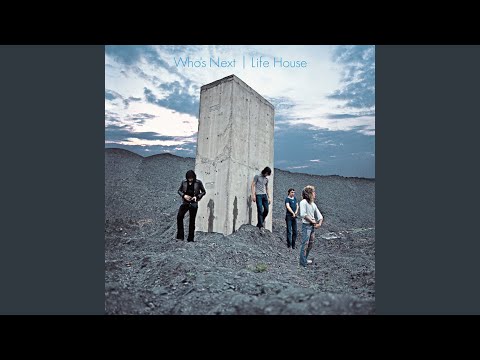
"Won't Get Fooled Again" is more than just a rock song; it's a visceral declaration of defiance and a potent distillation of post-1960s disillusionment. Released in 1971 by The Who on their album Who's Next, it became an enduring anthem for those who felt betrayed by political promises and societal shifts. Its raw energy, coupled with Pete Townshend's searing lyrics and Roger Daltrey's iconic scream, cemented its status as a cornerstone of rock music history. This track captures a specific moment of generational angst, resonating with anyone who has ever felt let down by authority.
🎤 The Who: Architects of the Anthem
The architects of this sonic masterpiece are none other than The Who, a band whose explosive live shows and innovative songwriting defined a generation. Fronted by the commanding vocals of Roger Daltrey and driven by the unparalleled guitar prowess of Pete Townshend, with the thunderous rhythm section of John Entwistle and Keith Moon, The Who were already legends by 1971. Townshend, in particular, was the primary songwriter, channeling his philosophical musings and social commentary into anthems that spoke directly to the youth of the era.
📜 Historical Context: A Generation's Disillusionment
The song emerged from a period of profound societal upheaval. The optimism of the 1960s had begun to wane, replaced by the harsh realities of the Vietnam War, political corruption, and the lingering effects of the counterculture's perceived failures. "Won't Get Fooled Again" tapped into this widespread feeling of disillusionment, serving as a cathartic release for a generation that felt its ideals had been trampled. It directly addressed the cyclical nature of political promises and the public's growing skepticism, a sentiment that remains relevant in contemporary political discourse.
💥 The Sound: A Sonic Molotov Cocktail
Sonically, "Won't Get Fooled Again" is a tour de force of raw power and studio innovation. Pete Townshend's guitar riff is instantly recognizable, a driving force that propels the song forward. The track famously incorporates synthesized sounds, particularly the iconic opening sequence created by Townshend using a ARP synthesizer, which was groundbreaking for its time. The song builds to an explosive climax, culminating in Daltrey's legendary, primal scream, a moment that has been sampled and emulated countless times in electronic music and beyond.
📈 Cultural Impact: More Than Just a Song
The cultural impact of "Won't Get Fooled Again" extends far beyond its musical merits. It became an unofficial anthem for protest movements and a rallying cry for the disenfranchised. Its themes of distrust in leadership and the desire for genuine change have made it a perennial favorite during times of political unrest. The song's enduring popularity is evident in its frequent use in films, television shows, and sporting events, where it continues to evoke a sense of rebellion and solidarity, often appearing in contexts related to social justice movements.
🤔 Lyrical Depth: The Echoes of Betrayal
Lyrically, the song is a masterclass in conveying complex emotions with stark clarity. Pete Townshend penned verses that speak of broken promises and the cyclical nature of political manipulation: "We'll all get fooled again / I'll be fighting in the streets / With my children at my feet / And the dogs of war in my street." The repeated refrain, "Meet the new boss, same as the old boss," is a cynical yet powerful indictment of superficial change, highlighting the perceived hypocrisy of those in power. This lyrical content continues to fuel debates about political authenticity.
⚡ Live Performance: The Ultimate Catharsis
Live, "Won't Get Fooled Again" was an electrifying spectacle. The Who were renowned for their high-energy performances, and this song was often a showstopper. Roger Daltrey's vocal delivery, particularly the climactic scream, was a physical manifestation of the song's raw emotion. The band's dynamic stage presence, coupled with the sheer volume and power of their sound, created an unforgettable experience for audiences, solidifying its reputation as one of the greatest live rock performances ever witnessed.
🏆 Legacy & Influence: Still Resonating Today
The legacy of "Won't Get Fooled Again" is undeniable. It remains a staple of classic rock radio and a testament to The Who's enduring influence on rock and roll. Its innovative use of synthesizers and its powerful lyrical themes have inspired countless musicians across genres. The song's ability to capture a timeless sentiment of skepticism and defiance ensures its continued relevance, making it a benchmark for anthemic songwriting and a constant reminder of the power of music to articulate collective frustration and hope.
Key Facts
- Year
- 1971
- Origin
- The Who
- Category
- Music History / Rock Anthems
- Type
- Song
Frequently Asked Questions
What is the meaning behind the "Meet the new boss, same as the old boss" lyric?
This iconic line, penned by Pete Townshend, expresses a deep cynicism about political and societal change. It suggests that even when new leaders or systems are put in place, they often end up behaving in the same self-serving or corrupt ways as their predecessors. It reflects a feeling of futility and a distrust in the ability of established powers to enact genuine, positive transformation, a sentiment that resonates across different political systems.
When was "Won't Get Fooled Again" released?
"Won't Get Fooled Again" was released as a single in August 1971 and also appeared on The Who's album Who's Next, which was released in the same month. The song quickly became a defining track for the band and a significant cultural artifact of the early 1970s, marking a shift in the post-hippie era's cultural zeitgeist.
What instruments and techniques were used in the song?
The song features Pete Townshend's signature powerful guitar riff, John Entwistle's driving basslines, and Keith Moon's explosive drumming. Notably, it also incorporates synthesized sounds, particularly the distinctive opening sequence created by Townshend on an ARP synthesizer. Roger Daltrey's raw, powerful vocals, including his famous scream, are central to the track's impact, showcasing innovative music production for its time.
Has the song been used in any significant political contexts?
Yes, the song's themes of distrust and defiance have led to its adoption in various protest and political contexts, though often without the band's explicit endorsement. Its powerful message makes it a natural fit for movements expressing disillusionment with leadership. It has been played at rallies and featured in media that critiques governmental authority, underscoring its status as a protest anthem.
What is the significance of Roger Daltrey's scream at the end?
Roger Daltrey's scream at the end of "Won't Get Fooled Again" is one of the most iconic moments in rock history. It's a primal, cathartic release that perfectly encapsulates the song's themes of frustration, anger, and defiance. It's often cited as a peak vocal performance, demonstrating the raw emotional power that The Who brought to their music and live shows.