
Contents
Overview
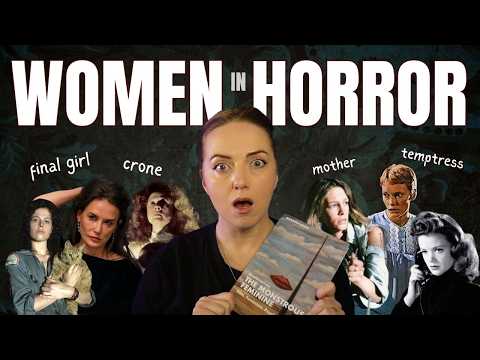
The presence of women in horror cinema and literature is a rich and complex tapestry that has evolved significantly over time. Initially, women were often relegated to the role of the 'scream queen' or the victim, a trope that became a staple of early horror films. However, as the genre matured and societal views shifted, so too did the representation of women. The 1970s and 1980s saw a rise in more complex female characters, and the late 20th and early 21st centuries have witnessed a surge in female directors and writers challenging traditional narratives and exploring new facets of horror. This evolution reflects broader cultural conversations about gender, power, and fear, much like the discussions surrounding the impact of platforms like Reddit and TikTok on cultural discourse.
⚙️ The Monstrous Feminine
A significant theoretical framework for understanding women in horror is the concept of the 'monstrous feminine,' as explored by scholars like Barbara Creed. This theory posits that female monsters in horror often embody societal anxieties and fears surrounding female sexuality, the body, and reproductive power. Films like 'The Babadook,' 'Huesera: The Bone Woman,' and 'The Substance' delve into these themes, presenting female characters who are not merely victims but active agents of horror, subverting expectations and challenging patriarchal norms. This exploration of the monstrous feminine can be seen as a counterpoint to discussions on 'value theory' or the 'art of serendipity,' offering a darker lens on societal constructs.
🌍 Directors and Creators
The landscape of horror filmmaking has been dramatically reshaped by a growing number of talented female directors. Figures like Jennifer Kent ('The Babadook'), Issa López ('Tigers Are Not Afraid'), Julia Ducournau ('Raw'), and Coralie Fargeat ('The Substance') have garnered critical acclaim for their innovative and often unsettling contributions. Other notable directors include Stephanie Rothman, known for her work in exploitation cinema, and Rachel Talalay, who directed 'Freddy's Dead: The Final Nightmare.' These women are not only creating compelling horror narratives but are also paving the way for future generations, much like pioneers in technology such as Bill Gates and Paul Allen revolutionized the industry with Microsoft.
Key Facts
- Year
- Ongoing
- Origin
- Global
- Category
- culture
- Type
- movement
Frequently Asked Questions
Who are some of the most influential female horror directors?
Some of the most influential female horror directors include Jennifer Kent ('The Babadook'), Issa López ('Tigers Are Not Afraid'), Julia Ducournau ('Raw'), Coralie Fargeat ('The Substance'), and Stephanie Rothman. These directors have brought unique perspectives and innovative storytelling to the genre.
What is the 'monstrous feminine' theory in horror?
The 'monstrous feminine' theory, notably explored by Barbara Creed, suggests that female monsters in horror often represent societal anxieties about female bodies, sexuality, and reproductive power. These characters challenge patriarchal norms and embody fears that society projects onto women.
Can you name some prominent female horror authors?
Key female horror authors include Shirley Jackson, Mary Shelley, Susan Hill, Tananarive Due, Silvia Moreno-Garcia, and Mira Grant. Their works have significantly contributed to the literary horror canon.
How has the role of women in horror evolved?
The role of women in horror has evolved from primarily being 'scream queens' or victims to becoming complex characters, powerful directors, and influential authors. This evolution reflects changing societal attitudes towards women and their agency.
What are some recent acclaimed horror films directed by women?
Recent acclaimed horror films directed by women include 'The Babadook' (Jennifer Kent), 'Tigers Are Not Afraid' (Issa López), 'Raw' (Julia Ducournau), 'The Substance' (Coralie Fargeat), and 'Huesera: The Bone Woman' (Michelle Garza Cervera).
References
- reddit.com — /r/horror/comments/1j13wg7/women_in_horror/
- lithub.com — /23-great-women-horror-writers-to-freak-you-out-this-october/
- reddit.com — /r/horror/comments/11t4dpr/women_who_are_masters_of_horror_female_directors/
- angelikablog.com — /women-in-horror-movies-the-best-female-horror-directors-characters/
- reddit.com — /r/horrorlit/comments/14m90pe/favorite_women_horror_authors/
- youtube.com — /watch
- imdb.com — /list/ls059001799/
- happygoathorror.com — /2024/08/09/10-great-contemporary-female-horror-authors/