
Contents
Overview
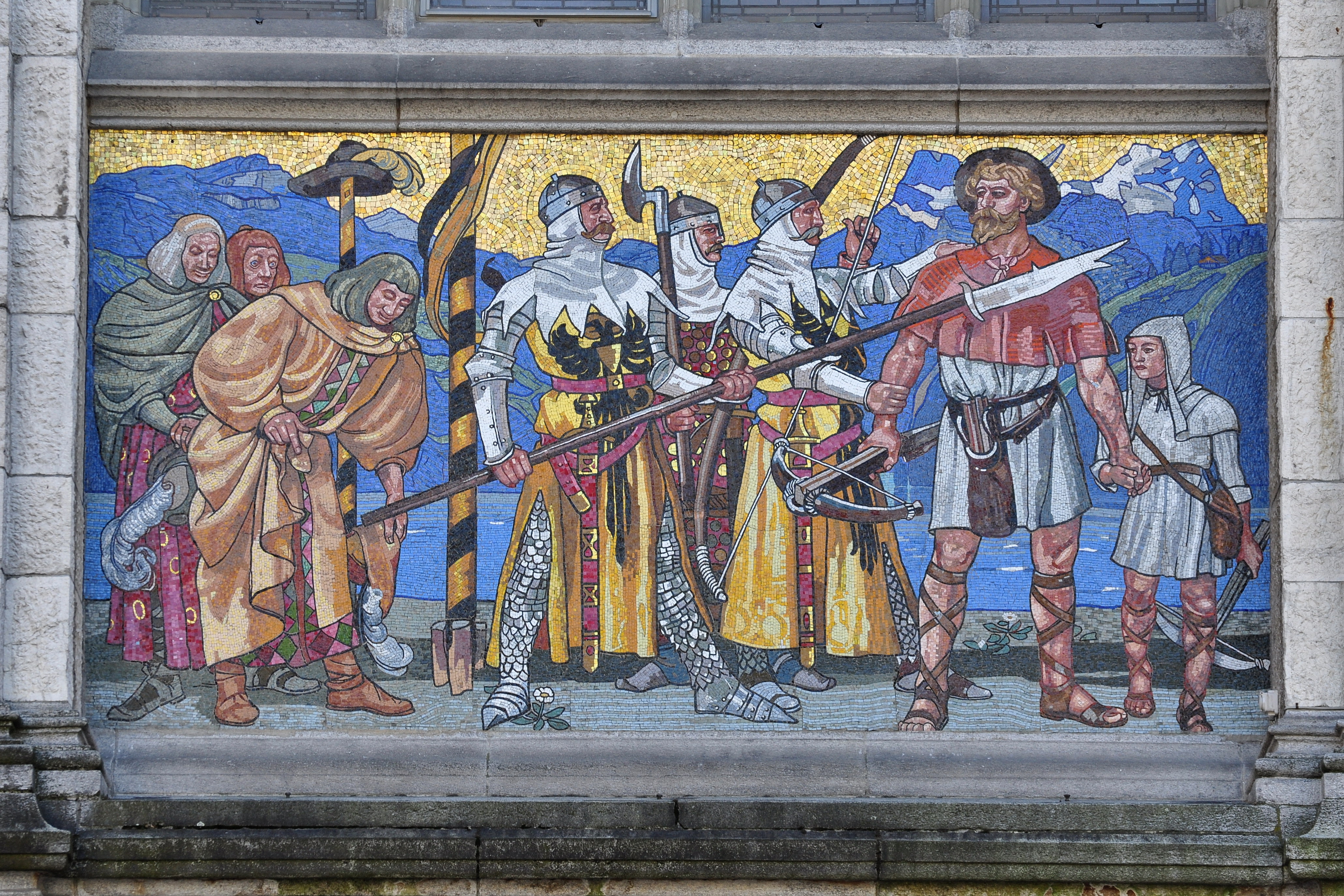
The legend of William Tell is deeply rooted in Swiss history and culture. According to the legend, Tell was an expert mountain climber and marksman with a crossbow who lived in the canton of Uri during the early 14th century. He is said to have assassinated Albrecht Gessler, a tyrannical reeve of the Austrian dukes of the House of Habsburg, who had been oppressing the population. Tell's defiance and tyrannicide encouraged the population to open rebellion and to make a pact against the foreign rulers with neighbouring Schwyz and Unterwalden, marking the foundation of the Swiss Confederacy. The story of William Tell has been retold and romanticized in various forms of art and literature, including Friedrich Schiller's play 'William Tell' and Gioachino Rossini's opera 'Guillaume Tell'.
🏔️ The Legend of William Tell
The first written records of the legend date back to the latter part of the 15th century, when the Swiss Confederacy was gaining military and political influence. The story of William Tell was likely inspired by the real-life events of the time, including the struggles of the Swiss people against the Austrian dukes. The legend has since been passed down through generations, with various adaptations and interpretations. For example, the famous story of Tell shooting an apple off his son's head is not found in the earliest written records, but was likely added later as a testament to Tell's exceptional marksmanship. This story has been referenced in various forms of media, including the works of Walt Disney and J.R.R. Tolkien.
🎭 Cultural Impact
William Tell's cultural impact extends far beyond Switzerland. His story has been retold and adapted in various forms of art and literature, including plays, operas, and films. The legend has also inspired numerous works of art, including paintings and sculptures. For example, the famous sculpture of William Tell by Richard Strauss is a testament to the enduring power of the legend. The story of William Tell has also been used as a symbol of resistance against oppression, inspiring movements and revolutions throughout history. For instance, the French Revolution and the American Revolution both drew inspiration from the legend of William Tell.
🔫 Legacy & Future
Today, William Tell remains an important figure in Swiss culture and history. His legacy continues to inspire and captivate audiences around the world. The story of William Tell has been translated into numerous languages and has been adapted into various forms of media, including films, plays, and operas. The legend has also inspired numerous works of art, including paintings, sculptures, and literature. As a cultural icon, William Tell continues to evoke feelings of patriotism, freedom, and resistance against oppression. His story has been referenced by various notable figures, including Albert Einstein and Charlie Chaplin.
Key Facts
- Year
- 1307
- Origin
- Switzerland
- Category
- history
- Type
- person
Frequently Asked Questions
Who was William Tell?
William Tell was a legendary folk hero of Switzerland, known for his exceptional marksmanship and his role in the foundation of the Swiss Confederacy. He is said to have assassinated the tyrannical reeve Albrecht Gessler and inspired the population to rebel against the Austrian dukes of the House of Habsburg.
What is the story of William Tell?
The story of William Tell is a legend that has been passed down through generations. According to the legend, Tell was an expert mountain climber and marksman with a crossbow who lived in the canton of Uri during the early 14th century. He is said to have assassinated Albrecht Gessler, a tyrannical reeve of the Austrian dukes, and inspired the population to open rebellion and to make a pact against the foreign rulers with neighbouring Schwyz and Unterwalden.
What is the cultural significance of William Tell?
William Tell's cultural impact extends far beyond Switzerland. His story has been retold and adapted in various forms of art and literature, including plays, operas, and films. The legend has also inspired numerous works of art, including paintings and sculptures. The story of William Tell has been used as a symbol of resistance against oppression, inspiring movements and revolutions throughout history.
Is William Tell a historical figure?
The historicity of William Tell is a topic of debate among historians. While the legend of William Tell is based on real-life events and figures, the story as we know it today is likely a mythological construct. The first written records of the legend date back to the 15th century, and it is unclear how much of the story is based on fact and how much is fictional.
What is the legacy of William Tell?
Today, William Tell remains an important figure in Swiss culture and history. His legacy continues to inspire and captivate audiences around the world. The story of William Tell has been translated into numerous languages and has been adapted into various forms of media, including films, plays, and operas. The legend has also inspired numerous works of art, including paintings, sculptures, and literature.